

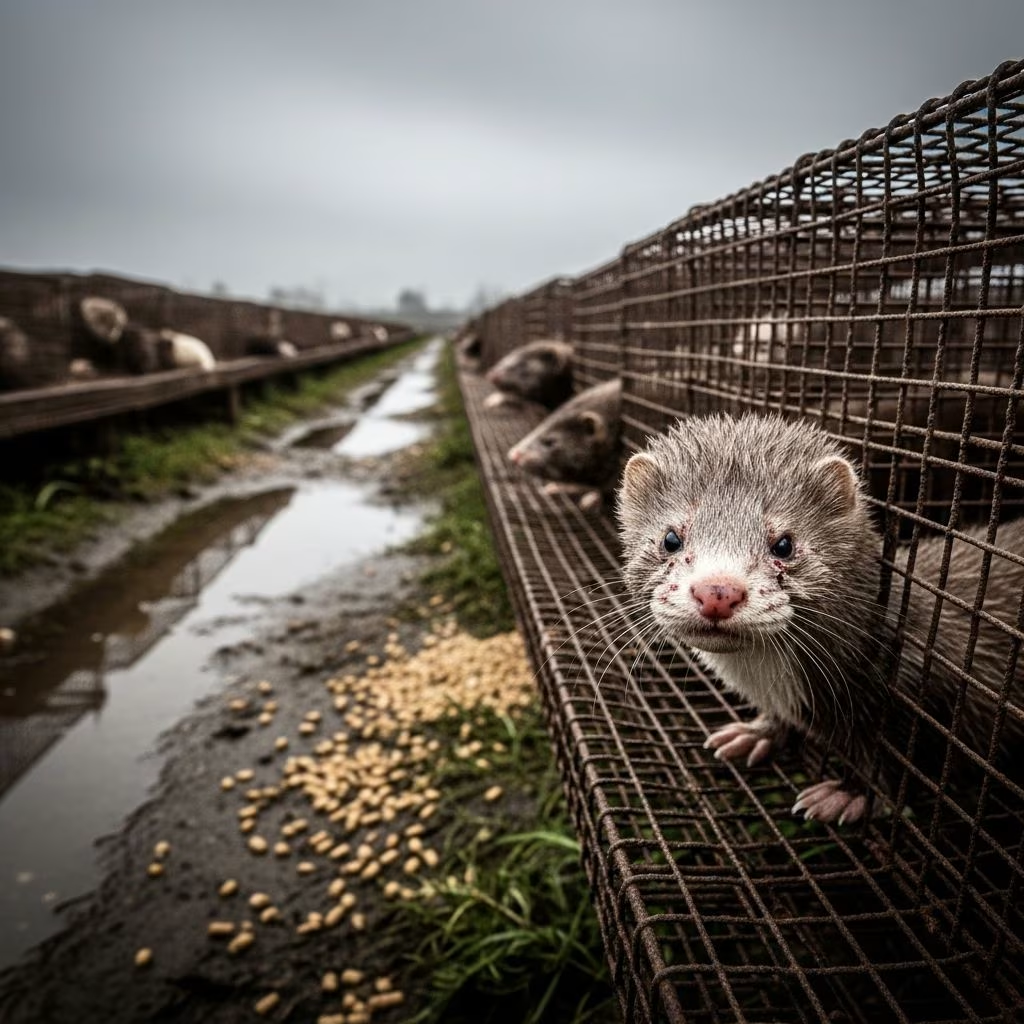
Mink farming faces numerous health obstacles that can significantly impact productivity, pelt quality, and overall herd viability. Understanding these conditions is crucial for effective management and disease prevention in commercial operations.
Understanding Viral Threats to Mink Populations
Viral infections represent some of the most devastating health issues in mink, often leading to high mortality rates and requiring stringent control measures. These pathogens spread rapidly in dense farming environments, necessitating vigilant monitoring and vaccination protocols.
Aleutian Disease: A Persistent Viral Concern
Aleutian disease, caused by a parvovirus, induces chronic immune dysregulation in mink. In adults, it triggers excessive plasma cell proliferation, resulting in enlarged lymph nodes, spleen enlargement, and elevated globulin levels in the blood. This leads to immune complex deposition in vessels and kidneys, causing vascular damage and kidney inflammation. Neonatal mink experience acute respiratory distress due to lung cell infection, manifesting as severe breathing difficulties and high kit mortality.
Symptoms in infected mink include progressive weight reduction, lethargy, anemia, hind limb weakness, neurological disturbances like seizures, and dark, tarry feces. Reproductive failures and pelt lesions further compound economic losses. The virus spreads through direct contact, contaminated environments, or vertically from dam to kits, with infected animals shedding virus for extended periods before symptoms appear.
Management relies on systematic testing using counterimmunoelectrophoresis on blood samples to detect antibodies, followed by culling positives. This test-and-remove approach, combined with biosecurity, has proven effective in eradicating the disease from farms. Supportive care during outbreaks includes hydration and nutrition, though no specific antiviral exists.
Distemper Virus Impact on Mink
Canine distemper virus, highly fatal in mink, presents with variable signs such as eye and nasal discharge, eye inflammation, light sensitivity, skin crusting around eyes, muzzle, feet, and abdomen, thickened footpads, loose stools, lung involvement, and neurological symptoms including convulsions. Secondary bacterial invasions often cause death in pneumonia cases.
No curative treatment exists; affected individuals must be euthanized humanely. Immediate vaccination of the remaining herd with modified-live virus vaccines is essential, with kits receiving doses at 10-12 weeks. Full protection may take up to 12 weeks, during which neurological fatalities can occur.
Enteritis and Astrovirus Effects
Mink viral enteritis causes sudden weight loss, dull fur, appetite loss, depression, fluid-filled or bloody diarrhea, dehydration, and rapid death, often with secondary bacterial complications. Intestines appear flaccid and fluid-distended at necropsy. Control involves isolating or culling symptomatic mink, vaccinating healthy ones promptly, and using oral supportive mixtures like kaolin, pectin, and antibiotics. Prophylactic vaccination at 6-8 weeks with combination vaccines prevents outbreaks.
Astrovirus, linked to shaky mink syndrome, affects young kits in summer months, causing tremors, uncoordinated movements, excess saliva, cries, feeding difficulties, and seizures. Low morbidity but up to 25% fatality; supportive feeding aids recovery, with euthanasia for non-improvers.
Bacterial and Toxin-Related Conditions
Bacterial pathogens and toxins pose sporadic but severe risks, often tied to feed quality, hygiene, and environmental factors.
Botulism Outbreaks in Feed
Botulism from Clostridium botulinum toxins in spoiled feed leads to rapid paralysis, light aversion, hindquarter weakness, lying down, breathing issues, and death within hours to a day. Necropsy shows no specific lesions, with death from respiratory failure. Prevention includes annual toxoid vaccination at 6-8 weeks, feed acidification or heat treatment, and freezing unused portions. Outbreak response: discard suspect feed, test samples, and vaccinate all mink.
Pseudorabies and Other Bacterial Issues
Pseudorabies, from herpesvirus in contaminated pork, causes high mortality (over 80%) with signs like appetite loss, skin scratching, vomiting, lethargy, seizures, and breathing distress after 1-2 weeks incubation. No treatment; source removal critical.
Bacterial septicemias, pneumonias, and abscesses occur sporadically. Pseudomonas aeruginosa outbreaks demand herd vaccination with bacterins, thorough disinfection of enclosures, and water system cleaning.
Parasitic and Protozoal Infections
Parasites exploit young or stressed mink, exacerbating other diseases.
Coccidiosis Management
Coccidia like Eimeria and Isospora strike post-weaning kits with low maternal immunity, causing diarrhea, bloody stools, fluid loss, and emaciation. Diagnosis via fecal oocysts or tissue histology. Coccidiostats control active cases; sanitation and manure removal prevent spread. Often coincides with viral enteritis.
Myiasis Prevention
Wohlfahrtia fly larvae infest kit skin, creating inflamed, abscess-like sores leading to restlessness, condition loss, and death. Preventive malathion dusting in nests before fly season deters oviposition.
Reproductive and Urinary Health Issues
Breeding females and growing males face unique urinary challenges.
Plum Bladder Disease and Stones
Cystitis, or plum bladder, affects lactating females and fast-growing males, with urine dribbling staining fur and downgrading pelts. Culture urine for targeted antibiotics via feed; ensure water access and hygiene. Chronic urolithiasis may benefit from urinary acidifiers.
Skin and Foot Conditions
Foot Pad Necrosis
This pyoderma, akin to FENP, causes foot and head hair loss, crusts, thickening, and ulcers from multifactorial bacterial entry, often via abrasions. Differentiate from distemper via histopathology. Improve hygiene, abrade less, and use susceptibility-tested antibiotics.
Prevention Strategies for Mink Farms
Proactive measures form the cornerstone of health management:
- Vaccination schedules: Tailor to age and risk (e.g., distemper at 10-12 weeks, enteritis at 6-8 weeks, botulism annually).
- Biosecurity: Quarantine new stock, control visitors, sanitize equipment.
- Feed hygiene: Fresh, tested rations; proper storage and acidification.
- Testing programs: Routine AD screening with culling.
- Environmental control: Clean water, dry bedding, fly/maggot prevention.
Diagnostic Approaches
Early detection hinges on clinical observation, necropsy, lab tests (serology, cultures, histopathology, fecal exams), and targeted sampling like footpad blood for AD.
Table: Common Mink Diseases Comparison
| Disease | Key Symptoms | Diagnosis | Treatment/Prevention |
|---|---|---|---|
| Aleutian Disease | Weight loss, anemia, seizures | CEP antibody test | Test/cull, biosecurity |
| Distemper | Discharges, hard pads, neuro signs | Clinical/histology | Vaccinate survivors, euthanize affected |
| Viral Enteritis | Diarrhea, dehydration | Gross lesions | Vaccination, supportive care |
| Botulism | Paralysis, dyspnea | Feed toxin test | Vaccination, feed management |
| Coccidiosis | Bloody diarrhea | Fecal oocysts | Coccidiostats, sanitation |
Frequently Asked Questions (FAQs)
What is the most common viral disease in mink?
Aleutian disease tops the list, managed via testing and culling.
How do you prevent distemper in mink farms?
Use modified-live vaccines at 10-12 weeks for kits and post-outbreak for adults.
Can botulism be treated once symptoms appear?
No specific antidote; focus on prevention through vaccination and feed hygiene.
What causes foot pad issues in mink?
Bacterial infections entering via abrasions; improve hygiene and treat with antibiotics.
Is Aleutian disease curable?
No cure; eradication requires removing positives identified by blood tests.
References
- Viral Diseases of Mink — Merck Veterinary Manual. 2023. https://www.merckvetmanual.com/exotic-and-laboratory-animals/mink/viral-diseases-of-mink
- Aleutian Disease — Wikipedia (background, primary sources referenced). N/A. https://en.wikipedia.org/wiki/Aleutian_disease
- Aleutian Disease in Mink — Ontario Ministry of Agriculture, Food and Rural Affairs. 2023. http://www.ontario.ca/page/aleutian-disease-mink
- Miscellaneous Diseases of Mink — Merck Veterinary Manual. 2023. https://www.merckvetmanual.com/exotic-and-laboratory-animals/mink/miscellaneous-diseases-of-mink
- Bacterial Diseases of Mink — MSD Veterinary Manual. 2023. https://www.msdvetmanual.com/exotic-and-laboratory-animals/mink/bacterial-diseases-of-mink
- Aleutian Disease Factsheet — Idaho State Department of Agriculture. 2022. https://agri.idaho.gov/wp-content/uploads/animal-industries/Aleutian-Factsheet.pdf



