
Health Challenges In Llamas And Alpacas: Expert Guide
Comprehensive guide to preventing and managing common diseases in llamas and alpacas for optimal herd health.
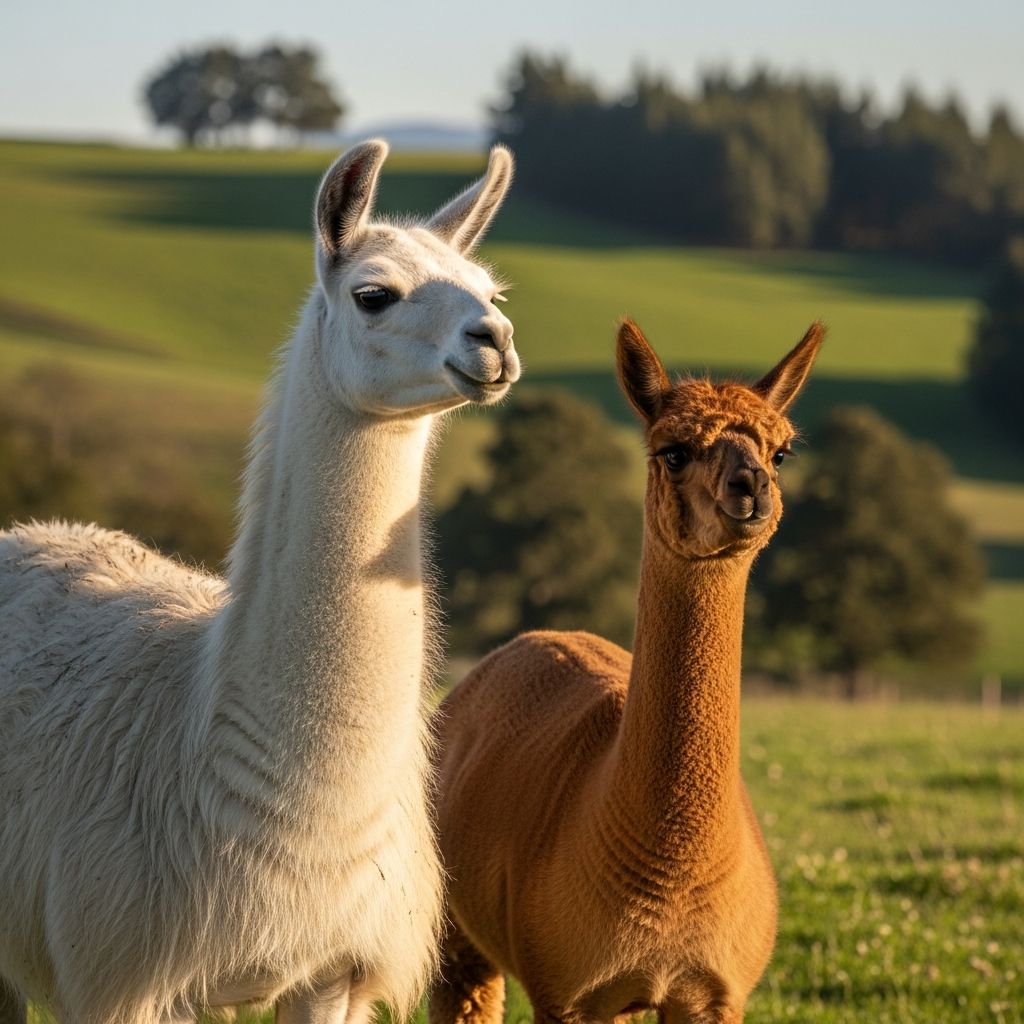
Llamas and alpacas, valued for their fiber, pack-carrying abilities, and gentle temperament, face a range of health issues that can affect individual animals and entire herds. Understanding these conditions is crucial for owners and veterinarians to ensure longevity and productivity. This article delves into major disease categories, symptoms, diagnostics, and management approaches, drawing from established veterinary knowledge.
Understanding Camelid Physiology and Vulnerability
New World camelids like llamas and alpacas have unique digestive systems with three stomach compartments, making them prone to certain gastrointestinal disorders. Their South American origins influence susceptibility to environmental stressors such as heat and poor nutrition in new climates. Early detection through regular herd health checks, including fecal exams and bloodwork, can prevent outbreaks.
Viral Threats to Camelid Herds
Viral infections pose significant risks, often spreading rapidly in confined groups. Bovine viral diarrhea virus (BVDV), particularly subgenotype 1b, emerges as a key concern. Persistently infected crias exhibit stunting, anemia, leukopenia, swollen joints, and unresponsive pneumonia. These cases mimic failure of passive transfer or immune deficiencies, necessitating PCR testing for confirmation.
Equine herpesvirus-1 (EHV-1) causes neurological issues unlike in horses, starting with nasal mucosa infection spreading to nerves and the central nervous system. Affected animals show blindness with dilated pupils, vitritis, retinal vasculitis, and optic neuritis. Alpaca respiratory coronavirus triggers outbreaks under stress, ranging from mild upper respiratory signs to fatal pneumonia.
Adenoviruses, often nonpathogenic in llamas, can lead to severe pleuritis, peritonitis, and liver inclusions in outbreaks. Other rare viruses like retroviruses cause weight loss, lameness, neutropenia, and secondary infections such as Pneumocystis.
Bacterial Infections and Preventive Measures
Bacterial diseases, though less common naturally, require vigilance. Brucellosis, tuberculosis, and Mycobacterium paratuberculosis (Johne’s disease) occur sporadically, with camelids showing rapid, fatal progression unlike cattle. Clostridium perfringens types C and D cause enterotoxemia, especially in neonates, prompting routine toxoid vaccinations including tetanus coverage.
Mycoplasma infections, possibly insect-vectored or vertically transmitted, lead to chronic carriers despite oxytetracycline treatment and transfusions. Streptococcus equi ssp. zooepidemicus, known as alpaca fever, and Listeria monocytogenes in neonates add to the list. Vector-borne threats like Eastern equine encephalitis and West Nile virus further complicate herd management.
Parasitic Burdens: Internal and External
Parasites thrive in camelids, often silently until severe. Haemonchus contortus causes anemia, while Trichuris spp. (whipworms) evade detection due to poor egg shedding, leading to emaciation and poor fiber. Eimeria macusaniensis, a coccidian, demands prompt ponazuril and sulfadimethoxine treatment to avert debilitation.
Fasciola hepatica (liver fluke) affects wet-environment dwellers, causing ill thrift and risking Clostridium novyi hepatitis; clorsulon dosing is standard. Other Eimeria species appear in healthy fecals but can overwhelm young or stressed animals.
| Parasite | Symptoms | Treatment |
|---|---|---|
| Haemonchus contortus | Anemia, weakness | Anthelmintics, FAMACHA scoring |
| Eimeria macusaniensis | Diarrhea, debilitation | Ponazuril, sulfadimethoxine |
| Fasciola hepatica | Ill thrift, bile duct damage | Clorsulon 7 mg/kg PO |
Nutritional Deficiencies and Metabolic Disorders
Copper deficiency manifests as depigmented, wiry fiber, poor growth, and infection susceptibility in juveniles. Liver levels confirm diagnosis; supplementation risks toxicosis, now more frequent than deficiency. Hepatic lipidosis, the top liver issue, stems from fat mobilization during energy deficits, hitting pregnant/lactating females hardest amid stress.
Hyperglycemia, hyperosmolarity, and insulin resistance complicate obesity cases. Zinc-responsive dermatosis and munge (facial crusted lesions) link to nutrition and immune status.
Gastrointestinal and Hepatic Conditions
Gastric ulcers, stomach atony, megaesophagus, and intestinal diseases disrupt digestion. Hepatic lipidosis often follows, with crias and adults affected. Eimeria or severe nematodes exacerbate risks.
- Gastric Ulcers: Stress-induced, treat with protectants.
- Megaesophagus: Leads to aspiration pneumonia.
- Intestinal Diseases: Include sloughing in severe cases.
Skin and Congenital Issues
Dermatologic problems include dorsal nasal alopecia (dark nose syndrome), munge, and zinc issues. Congenital defects like juvenile llama immunodeficiency syndrome resist therapy, requiring immune evaluation.
Environmental and Noninfectious Stressors
Heat stress causes metabolic acidosis, azotemia, and DIC if untreated. Neoplasia and copper imbalance add layers. Regular monitoring prevents escalation.
Herd Management Strategies
Vaccinate against clostridials, ensure colostrum intake, deworm strategically using fecal egg counts. Quarantine newcomers, test for BVDV persistently infected animals. Nutritional balance via forage analysis is key.
Frequently Asked Questions (FAQs)
What are the first signs of BVDV in alpacas?
Stunting, poor response to pneumonia treatments, and joint swelling in crias.
How do I prevent liver fluke in wet areas?
Use clorsulon and vaccinate against black disease.
Is copper supplementation safe?
Yes, if liver levels guide dosing to avoid toxicosis.
What causes munge in llamas?
Often bacterial with nutritional or immune triggers.
How often should I do fecal exams?
Quarterly or more in high-risk herds.
Diagnostic Approaches
Fecal flotations detect parasites, PCR identifies viruses, bloodwork reveals anemia or liver enzymes. Necropsies confirm causes like coccidiosis lesions in ileum.
References
- Viral Diseases of New World Camelids — de S Kapil, PMC – NIH. 2009-01-01. https://pmc.ncbi.nlm.nih.gov/articles/PMC7126330/
- Diseases of Llamas and Alpacas — MSD Veterinary Manual. 2024-01-01. https://www.msdvetmanual.com/exotic-and-laboratory-animals/llamas-and-alpacas/diseases-of-llamas-and-alpacas
- Herd Health of Llamas and Alpacas — Merck Veterinary Manual. 2024-01-01. https://www.merckvetmanual.com/exotic-and-laboratory-animals/llamas-and-alpacas/herd-health-of-llamas-and-alpacas
- Hepatic Lipidosis in Camelids — Leatherstocking Veterinary Group. 2024-01-01. https://leatherstockingvetgroup.com/common-camelid-health-problems/
- Camelid Care: OSU Veterinarians — Oklahoma State University News. 2024-01-01. https://news.okstate.edu/magazines/veterinary-medicine/vet-cetera/articles/2024/camelid_care_osu_veterinarians_foster_herd_health_and_train_next_generation.html
Similar Articles








Read full bio of Sneha Tete


