

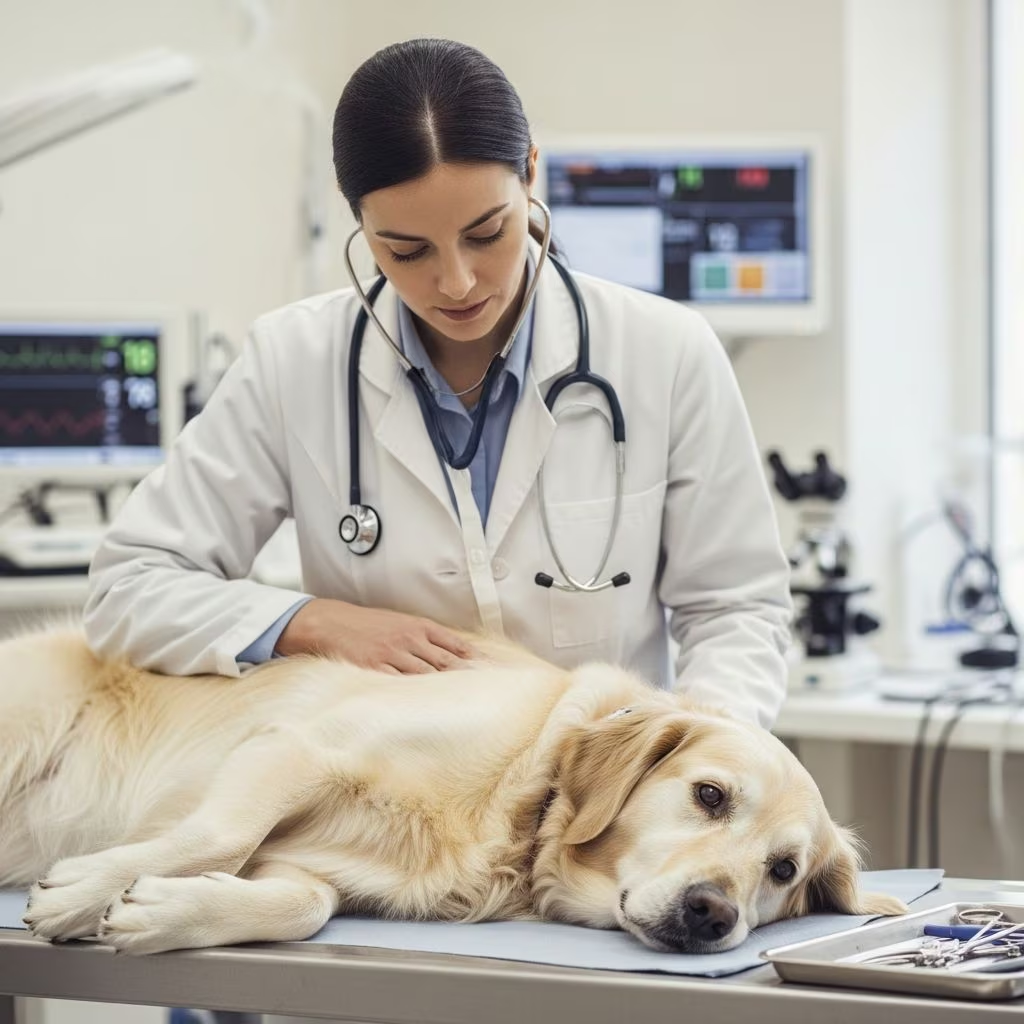
Female dogs face unique health risks tied to their reproductive anatomy and hormonal cycles, ranging from infections to tumors. Early detection through routine vet visits and spaying can significantly lower these risks, promoting longer, healthier lives.
Navigating the Heat Cycle: Signs and Care
The estrous cycle, or heat, triggers physical and behavioral shifts in unspayed females, typically starting around 6-12 months of age. Owners must monitor closely to prevent unwanted pregnancies and spot complications.
- Physical indicators: Vulvar swelling, bloody discharge, increased urination, and frequent genital licking.
- Behavioral changes: Restlessness, vocalizing, attracting males, and reduced appetite.
- Care tips: Keep away from intact males, use dog diapers if needed, and maintain hygiene to avoid infections.
These phases last 2-4 weeks, repeating every 6-12 months. Spaying eliminates heat cycles entirely, reducing associated stresses.
False Pregnancy: A Hormonal Mimicry
Post-heat, hormonal surges can induce pseudopregnancy, where dogs exhibit pregnancy-like symptoms without conception. This affects up to 60% of unspayed females and may persist 2-3 weeks.
Symptoms include mammary enlargement, milk production, nesting, and mothering toys. Mild cases resolve naturally; severe ones warrant vet evaluation for hormone therapy or cabergoline to shorten duration.
| Symptom | Duration | Management |
|---|---|---|
| Milk production | 1-3 weeks | Cold compresses, avoid stimulation |
| Nesting behavior | Variable | Distraction with exercise |
| Appetite changes | Short-term | Balanced diet, monitor weight |
Even spayed dogs can experience this if recently altered, but incidence drops post-recovery.
Uterine Infections: Pyometra and Metritis
Pyometra, a life-threatening uterine pus buildup, strikes unspayed dogs post-heat, often after age 5. Bacteria like E. coli thrive in progesterone-thickened linings with cystic endometrial hyperplasia.
Open pyometra shows vulvar discharge; closed cases cause rapid toxemia with lethargy, vomiting, fever, polydipsia, and collapse. Emergency spaying is standard, with antibiotics and IV fluids; medical management risks recurrence.
Metritis, post-whelping uterine inflammation, presents with fever, neglect of pups, and purulent discharge. Treatment involves antibiotics, fluids, and possible uterine evacuation.
- Prevention: Spay before second heat; reduces pyometra risk by 90%+.
Vaginitis and Vaginal Disorders
Vaginitis inflames the vagina, common in puppies or adults, causing discharge, licking, and urination issues. Juvenile cases often self-resolve post-first heat; adults need cultures for bacterial/fungal culprits.
Related conditions include vaginal hyperplasia (heat-swollen tissue prolapse in young dogs) and tumors in older ones, treated surgically if persistent.
Symptoms overlap with UTIs: straining, hematuria, odor. Diagnosis via cytology, ultrasound; therapy includes antibiotics, hygiene, and spaying.
Urinary Tract Concerns in Females
Shorter urethras predispose females to UTIs, bladder stones, and crystals. Bacteria ascend easily, yielding frequent small urinations, dribbling, and licking.
- UTI signs: Cloudy/bloody urine, incontinence.
- Stones: Painful urination, hematuria; diet dissolves some types.
- Treatment: Antibiotics 2-4 weeks, urine cultures; recurrence prompts imaging.
Chronic cases link to diabetes or Cushing’s; annual checks aid prevention.
Mammary Gland Issues and Tumors
Unspayed females risk mammary cancer, with 25-50% malignancy rates rising post-multiple heats. Spaying before first/second heat slashes incidence to under 1%.
Lumps, ulceration, discharge signal trouble; staging via biopsy, X-rays. Surgery, chemo for metastasis; prognosis varies by grade.
Mastitis (lactating gland infection) causes hot/swollen glands, fever; antibiotics and hand-milking treat it.
Other Reproductive Complications
Ovarian Remnant Syndrome
Post-spay heat signs indicate leftover tissue; blood tests confirm, surgery removes.
Dystocia and Infertility
Breeding females face difficult births from large pups or uterine inertia; C-sections save lives. Infertility stems from cysts, infections.
Subinvolution of Placental Sites
Post-puppy prolonged bleeding; usually benign, resolves in months.
Spaying: The Preventive Powerhouse
Elective ovariohysterectomy removes ovaries/uterus, averting pyometra, tumors, and heats. Optimal pre-first heat; benefits outweigh risks like incontinence (rare, treatable).
Timing table:
| Age at Spay | Mammary Cancer Risk | Pyometra Risk |
|---|---|---|
| <6 months | <1% | Nearly 0% |
| 6-12 months | 8% | Low |
| >2.5 years | 26% | High |
Consult vets on breed-specific needs.
Daily Wellness Strategies
Proactive care minimizes issues:
- Annual exams, vaccines, fecal tests.
- Balanced diet, weight control to cut cancer/UTI odds.
- Hygiene: Wipe post-voiding, trim fur.
- Monitor heats, discharges, lumps monthly.
Breed risks: Larger dogs prone to pyometra; brachycephalics to dystocia.
FAQs on Female Dog Health
What is pyometra and how to spot it?
A uterine infection with pus; watch for discharge, lethargy, thirst. Emergency vet needed.
Does spaying prevent all issues?
Most reproductive ones, yes; not urinary or post-spay syndromes.
Can vaginitis resolve alone?
Puppy cases often; adults need vet care.
How to handle false pregnancy?
Minimize stimulation; vet if milk profuse.
When to spay my female dog?
Discuss with vet; early best for prevention.
References
- Caring For a Female Dog — ASPCA Pet Health Insurance. 2023. https://www.aspcapetinsurance.com/resources/how-to-care-for-a-female-dog/
- Everything You Need To Know About Female Dogs — Lemonade. 2023. https://www.lemonade.com/pet/explained/everything-you-need-to-know-about-female-dogs/
- UTIs, Vaginitis, and More: What To Know About Female Dog Health — Cuddlytails. 2024. https://www.cuddlytails.com/blogs/utis-vaginitis-and-more-what-to-know-about-female-dog-health/
- Reproductive Disorders of Female Dogs — Merck Veterinary Manual. 2025-02-01. https://www.merckvetmanual.com/dog-owners/reproductive-disorders-of-dogs/reproductive-disorders-of-female-dogs
- What are Reproductive Health Issues in Pets and Treatments? — Bluegrass Veterinary. 2023. https://bluegrassvet.net/common-reproductive-health-issues-in-pets-and-how-to-address-them/
- Preventing Common Reproductive Health Issues in Female Dogs — Aloha Vet Hospital. 2023. https://alohavethospitaloc.com/preventing-common-reproductive-health-issues-in-female-dogs/
- Pyometra — Cornell University College of Veterinary Medicine. 2024. https://www.vet.cornell.edu/departments-centers-and-institutes/riney-canine-health-center/canine-health-topics/pyometra



