

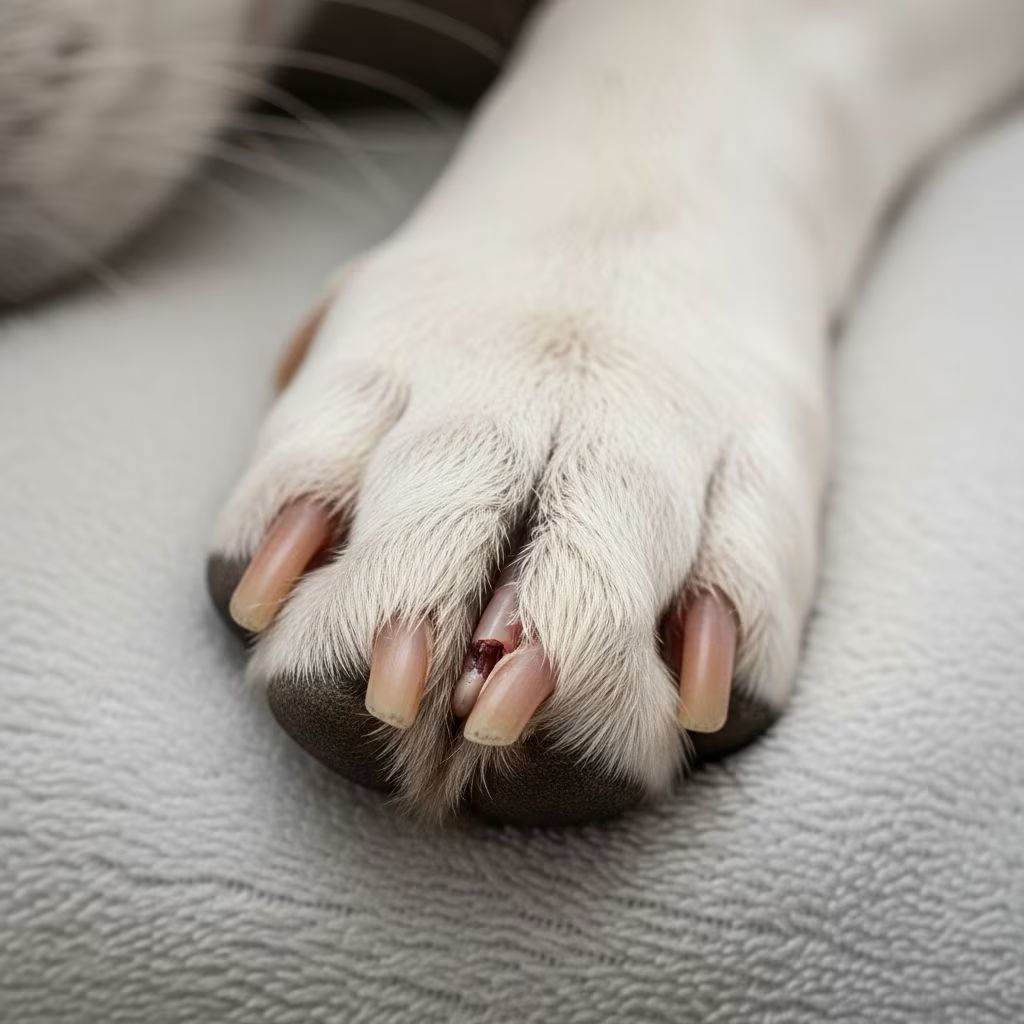
Split nails in dogs represent a frequent yet distressing issue that can cause significant discomfort if not managed properly. These injuries often result from everyday activities but can signal deeper health concerns. Understanding the underlying factors and appropriate responses enables pet owners to facilitate swift healing and avert complications like infections.
Understanding Canine Nail Structure
Dog nails consist of a hard outer keratin layer encasing a sensitive inner core known as the quick, which houses blood vessels and nerves. When a nail splits, particularly lengthwise, it may expose this quick, leading to intense pain and bleeding. The nail bed, the skin at the base, is also vulnerable to bacterial invasion post-injury.
Awareness of this anatomy is crucial for effective care. Superficial splits might heal independently, but deeper ones demand professional attention to prevent bone infections like osteomyelitis.
Primary Triggers of Nail Splits
Several elements contribute to nail splits in canines, ranging from physical accidents to systemic conditions.
- Physical Trauma: The most common culprit, occurring when nails snag on carpets, furniture, or rough terrain during runs or plays. Active breeds digging or scratching exacerbate risks.
- Nutritional Shortfalls: Deficiencies in biotin, zinc, or protein weaken nail integrity, making them brittle.
- Environmental Stressors: Extreme cold, heat, or abrasive surfaces dry out and fracture nails.
- Infections: Bacterial, yeast, or fungal invasions in the nail bed (paronychia) or onychomycosis soften nails, promoting splits. Allergies often precede secondary infections.
- Parasitic Influences: Fleas causing flea allergy dermatitis or Demodex mites lead to inflammation and fragile nails.
- Systemic Diseases: Conditions like hypothyroidism, Cushing’s disease, or rare lupoid onychodystrophy deform nails.
- Genetic Predispositions: Breeds with elongated, curved nails, such as sighthounds, face higher susceptibility.
Multiple affected nails often indicate non-traumatic origins, warranting veterinary diagnostics.
Recognizing Symptoms Early
Prompt identification prevents escalation. Watch for these indicators:
- Limping, paw-holding, or reluctance to bear weight on the affected foot.
- Bleeding trails or spots from the paw.
- Swelling, redness, or discharge around the nail base signaling inflammation or infection.
- Excessive licking, chewing, or whining from pain.
- Altered nail shape: jagged edges, brittleness, discoloration, or partial detachment.
Foul odors or pus confirm infections needing immediate care.
Immediate First Aid Protocols
For non-emergencies like partial splits without heavy bleeding, home care stabilizes the injury until vet access.
- Secure the Dog: Calmly restrain to avoid bites from pain.
- Stem Bleeding: Apply firm pressure with gauze or towel for 5-10 minutes. Elevate the paw.
- Clean Gently: Rinse with saline (1 tsp salt in warm water) or mild soap; pat dry.
- Bandage Securely: Use non-stick gauze, vet wrap, and tape, leaving toes visible for airflow. Change daily.
- Prevent Licking: Employ an e-collar or sock bootie.
Avoid styptics unless quick is unexposed; they sting. For full tears or heavy bleeds, seek vets promptly.
| Split Type | Home Action | Vet Needed? |
|---|---|---|
| Superficial, no bleed | Monitor, clean | No, unless worsens |
| Partial tear, minor bleed | Pressure, bandage | Yes, for trim |
| Deep longitudinal split | Stabilize only | Immediate, sedation |
| Infected (swollen, pus) | Clean minimally | Urgent antibiotics |
Professional Treatment Options
Vets tailor interventions by severity.
- Trimming: Removes loose fragments painlessly.
- Nail Extraction: For deep splits exposing quick, performed under sedation/anesthesia. The nail bed is cleaned and bandaged; regrowth spans 2-3 months.
- Medications: Antibiotics, antifungals, or anti-inflammatories combat infections or root causes.
- Topicals: Ointments soothe and protect.
Diagnostic tests like bloodwork rule out diseases if recurrent.
Promoting Recovery and Strength
Post-treatment, support healing with:
- A nutrient-rich diet high in protein, omega-3s, biotin (e.g., eggs, fish).
- Rest: Limit rough play; use soft surfaces.
- Regular paw checks and gentle trims every 4-6 weeks.
- Moisturizers or protective boots for dry climates.
Nails regrow gradually; monitor for deformities signaling ongoing issues.
Preventive Strategies for Robust Nails
Proactivity minimizes risks:
- Routine Trims: Keep nails short to reduce snagging.
- Balanced Nutrition: Vet-recommended foods/supplements.
- Safe Environments: Smooth floors, no abrasive walks; booties for ice/salt.
- Parasite Control: Flea preventives and mange checks.
- Health Screenings: Annual exams for endocrine issues.
- Nail Caps: Temporary covers for prone dogs.
Frequently Asked Questions
Will a dog’s split nail heal on its own?
Minor splits may, but deep ones risk infection and require removal for proper regrowth.
How long does nail regrowth take?
Typically 2-3 months, varying by breed and health.
Can I trim my dog’s split nail at home?
Only loose tips; otherwise, vet expertise prevents pain.
Is bleeding from a split nail dangerous?
Usually not if controlled, but persistent bleeding or exposure needs professional care.
What if multiple nails split?
Indicates nutrition, infection, or disease; consult vet.
Long-Term Paw Wellness Tips
Beyond splits, holistic care includes paw massages, hydration checks, and breed-specific monitoring. Active dogs benefit from dulled walks post-injury. Consult vets for personalized plans, especially for seniors or athletes.
In summary, vigilance and swift action transform split nail ordeals into manageable recoveries, safeguarding your dog’s mobility and joy.
References
- Split Nails in Dog: Causes, Symptoms, & Treatments — City Pet Hospital. Accessed 2026. https://citypethospital.in/split-nails-in-dog-causes-symptoms-treatments/
- Split nails in dogs – why do they happen and what can be done? — VetHelpDirect. 2025-08-26. https://vethelpdirect.com/vetblog/2025/08/26/split-nails-in-dogs-why-do-they-happen-and-what-can-be-done/
- Dog Split Nail: First Aid and 9 Causes — ToeGrips for Dogs. Accessed 2026. https://toegrips.com/dog-split-nail/
- Split or Broken Dog Nails: Treatment and Care — Whole Dog Journal. Accessed 2026. https://www.whole-dog-journal.com/care/broken-or-split-nails/
- What to Do if Your Dog Breaks or Tears a Nail — MedVet. Accessed 2026. https://www.medvet.com/what-to-dog-if-your-dog-breaks-or-tears-a-nail/
- First Aid for Broken Nails on Dogs — PetMD. Accessed 2026. https://www.petmd.com/dog/care/first-aid-broken-nails-dogs
- First Aid for Broken Nails in Dogs — VCA Animal Hospitals. Accessed 2026. https://vcahospitals.com/know-your-pet/first-aid-for-broken-nails-in-dogs



