

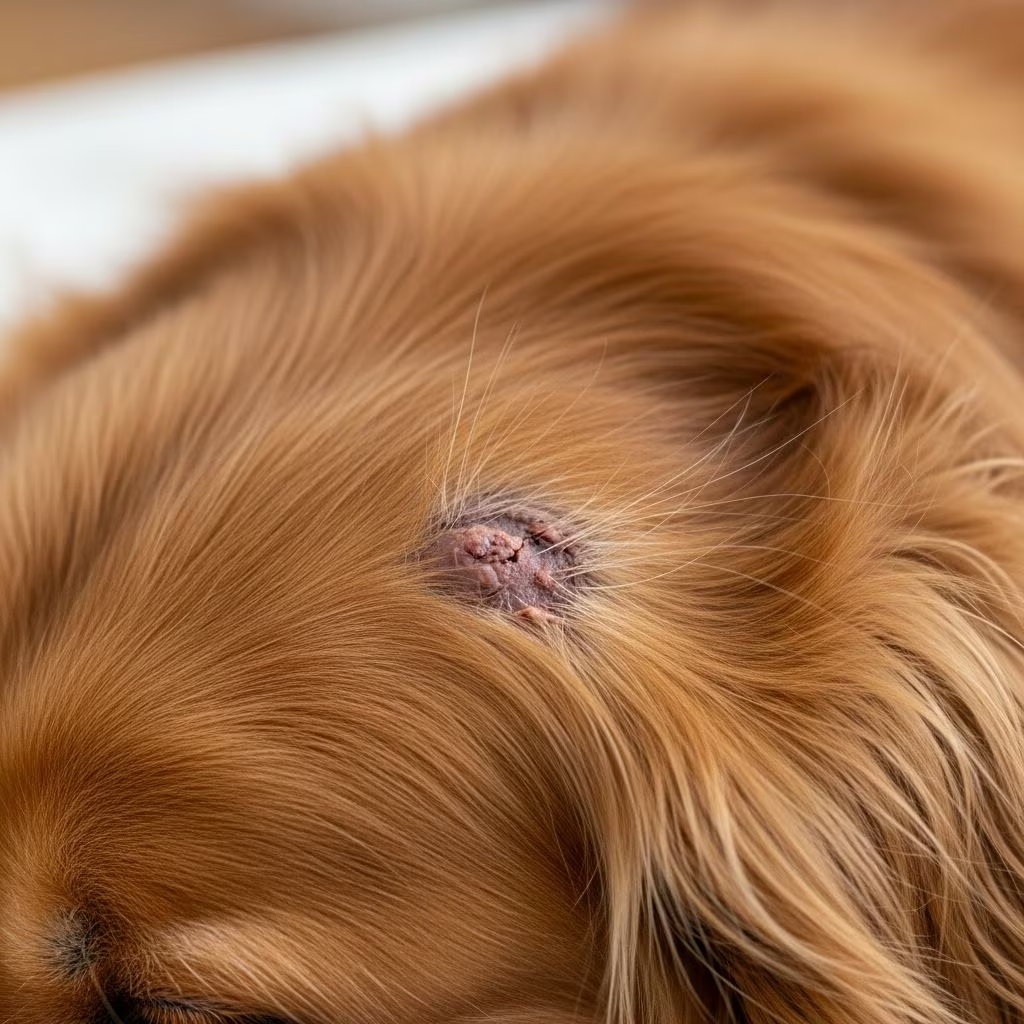
Scabs form on a dog’s skin as a natural protective barrier over wounds, but improper care can lead to infections or delayed healing. This guide provides step-by-step advice on identifying causes, cleaning scabs, supporting the healing process, and knowing when professional help is needed.
Understanding Scabs and Their Formation on Dogs
Scabs develop when blood clots over an injury, trapping plasma and debris to shield underlying tissue. On dogs, they often appear after scratches, bites, hot spots, allergies, or parasites like fleas. While scabs signal the body’s initial response, picking or licking them can reopen wounds and introduce bacteria.
Dogs frequently injure themselves during play, roughhousing, or outdoor adventures. Common sites include legs, belly, ears, and paws. Early recognition prevents minor issues from escalating into abscesses or chronic skin problems.
Common Causes of Scabs on Your Dog’s Skin
- Trauma:** Cuts from thorns, glass, or fights create open wounds that scab over.
- Allergies:** Itching leads to self-trauma and secondary scabs, especially on paws or flanks.
- Infections:** Bacterial or yeast overgrowth causes oozing sores that crust.
- Parasites:** Fleas, mites, or ticks provoke scratching and scab formation.
- Hot Spots:** Moist dermatitis from moisture and licking results in rapid scabbing.
Observing patterns, such as location or accompanying symptoms like odor or swelling, helps pinpoint the root cause.
Step-by-Step Wound Cleaning for Scabbed Areas
Cleaning removes debris and reduces infection risk without disrupting the scab. Always use gentle methods to avoid pain or further damage.
- Gather Supplies:** Warm water, saline (1 tsp salt per 2 cups water), mild soap, clean cloths, gloves, and antiseptic like 2% chlorhexidine if vet-approved.
- Secure Your Dog:** Use a muzzle or helper to prevent biting during cleaning.
- Rinse Gently:** Flush the area with warm saline or water using a spray bottle or sink. Avoid hydrogen peroxide or alcohol, as they damage healthy tissue and slow healing.
- Remove Loose Debris:** Pat dry with a clean towel; do not rub. Clip surrounding fur if matted.
- Apply Topical if Directed:** Use vet-prescribed antibiotic ointment sparingly after cleaning.
Clean twice daily initially, monitoring for progress. For paw scabs, soak in a basin for thorough rinsing.
The Four Stages of Wound Healing in Dogs
Dog wounds heal through distinct phases, each critical for recovery. Understanding these helps owners track progress and intervene if stalled.
| Stage | Duration | What Happens | Owner Actions |
|---|---|---|---|
| Inflammation | Immediate – 2 days | Blood flow slows; immune cells fight bacteria; redness, swelling, warmth occur. | Clean gently; prevent licking. |
| Debridement | 2-5 days | Dead tissue and bacteria removed; pus may form. | Monitor drainage; change bandages. |
| Repair | 3-21 days | New cells and collagen form; tissue rebuilds. | Keep clean; use e-collar. |
| Maturation | Weeks to months | Scar strengthens; collagen reorganizes. | Protect from re-injury. |
Healing time varies by wound size, dog age, and health. Deep or infected scabs may take longer.
Safe Home Treatments to Promote Scab Healing
Support healing with vet-approved remedies while avoiding human products that irritate canine skin.
- Antibiotic Ointments:** Medical-grade options fight bacteria without steroids unless prescribed.
- Styptic Powder:** Stops minor bleeding on cut nails or pads.
- Hydrocortisone Creams:** For itchy, inflamed hot spots to reduce self-trauma.
- Bandaging:** Apply sterile gauze with antibiotic ointment, secured by self-adhesive wrap. Change daily first 3 days, then every 2-3.
Prevent licking with an e-collar (cone). For extensive areas, consider a full-body suit.
Advanced Therapies: Cold Laser for Faster Recovery
Cold laser therapy accelerates healing non-invasively by boosting circulation and cell regeneration. Safe for dogs, it reduces pain, swelling, and inflammation without drugs or shaving.
Treatments last minutes, often 2-3 times weekly. It’s ideal for chronic scabs, post-surgical sites, or arthritis-related wounds. Many vets offer it as an adjunct to traditional care.
Signs Your Dog’s Scab Needs Veterinary Attention
Not all scabs heal at home. Seek a vet if you notice:
- Infection Indicators:** Increased redness, pus, foul odor, or fever.
- No Improvement:** Scab persists beyond 7-10 days or worsens.
- Deep Wounds:** Gaping, bleeding >10 minutes, or foreign objects embedded.
- Systemic Symptoms:** Lethargy, appetite loss, or multiple scabs suggesting allergies/parasites.
- Abscesses:** Swollen, painful lumps needing lancing and drainage under sedation.
Vets may suture clean wounds, prescribe oral antibiotics, or perform debridement.
Preventing Scabs and Skin Injuries in Dogs
Proactive steps minimize risks:
- Regular flea/tick preventives.
- Allergy management with baths and diets.
- Supervise play; trim nails monthly.
- Moisture control to avoid hot spots.
- Nutrient-rich diet with omega-3s for skin health.
Annual vet checkups catch underlying issues early.
Frequently Asked Questions (FAQs)
Can I pick off my dog’s scab?
No, removing scabs prematurely reopens wounds and invites infection. Let them fall naturally.
How often should I clean a scabbed wound?
Twice daily for the first few days, then as it improves, per vet guidance.
Is Neosporin safe for dogs?
Some formulations are, but avoid triple antibiotic with pain relievers; consult your vet.
What if my dog keeps licking the scab?
Use an e-collar or bitter spray. Persistent licking signals discomfort needing vet evaluation.
How long do dog scabs take to heal?
Small ones: 7-14 days; larger/infected: 3-6 weeks with proper care.
Long-Term Skin Health for Your Dog
Beyond acute care, maintain skin integrity with hypoallergenic shampoos, balanced nutrition, and prompt injury treatment. Breeds like Bulldogs or Labs prone to skin folds need extra vigilance. Regular grooming removes mats that trap moisture and bacteria.
For chronic conditions like atopic dermatitis, vets may recommend immunotherapy or medicated washes. Tracking healing with photos aids progress assessment and vet discussions.
Empowering owners with knowledge ensures dogs recover swiftly, returning to happy, active lives. Always prioritize professional advice for tailored treatment.
References
- Care of Open Wounds in Dogs — VCA Animal Hospitals. 2023. https://vcahospitals.com/know-your-pet/care-of-open-wounds-in-dogs
- Dog Wound Care: How to Clean and Treat Dog Wounds at Home — PetMD. 2024. https://www.petmd.com/dog/general-health/dog-wound-care-how-to-clean-treat-dog-wounds-at-home
- Dog Wound Care & Healing Stages — Raintree Veterinary Center. 2024-06-15. https://www.raintreevetcenter.com/site/blog/2024/06/15/dog-wound-care-healing-stages
- Dog Wound Care — Heart of Brooklyn Veterinary. 2023-12-15. https://www.heartofbrooklynveterinary.com/site/blog/2023/12/15/dog-wound-care
- Dog Wound Care & Healing Stages — Douglasville Veterinary Hospital. 2024-06-15. https://www.douglasvillevh.com/site/blog/2024/06/15/dog-wound-care-healing-stages



