

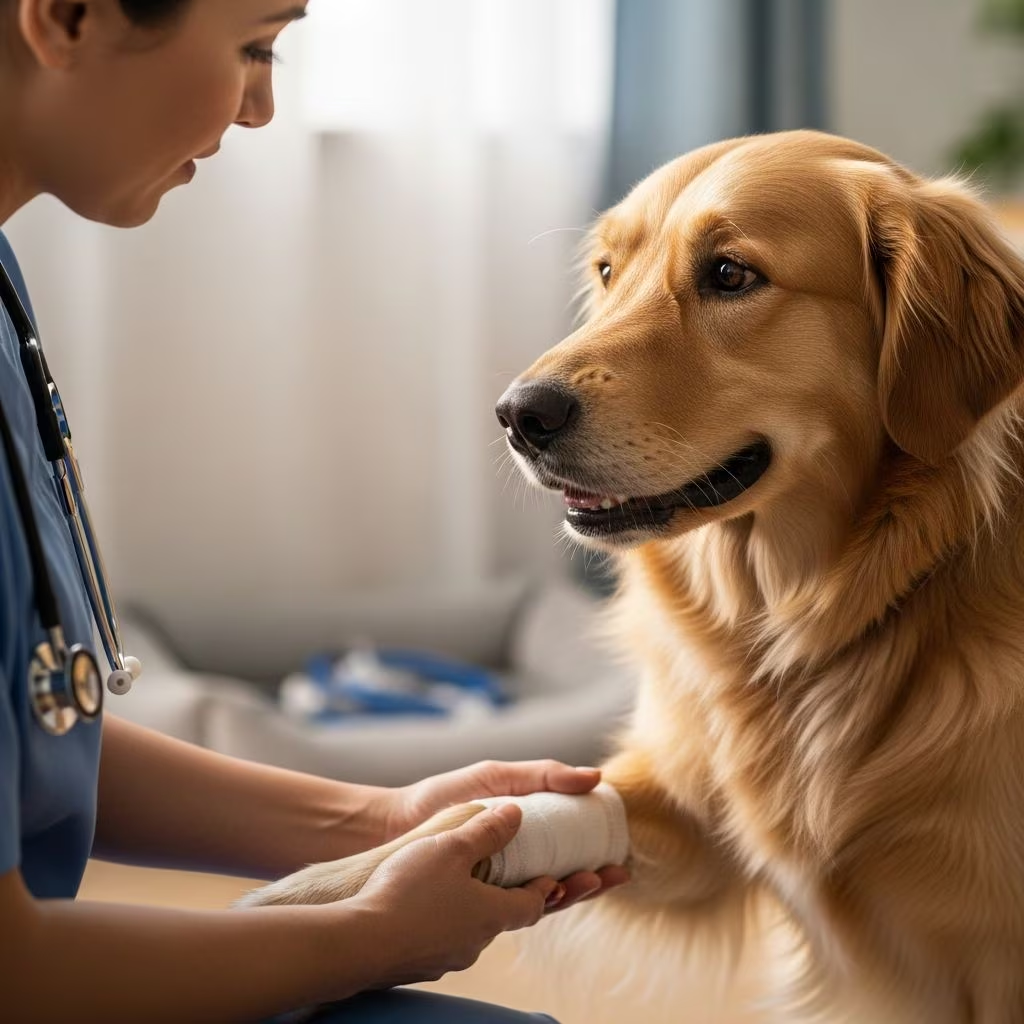
Injuries in dogs, whether from high-energy play, sports, or accidents, require prompt and effective care to ensure a swift recovery. Non-surgical approaches offer powerful alternatives to invasive procedures, promoting natural healing through advanced therapies, rehabilitation, and targeted home management. This guide details key methods backed by veterinary expertise, helping owners support their pets back to health.
Understanding Common Dog Injuries
Dogs of all breeds and activity levels face various injuries, particularly active or sporting ones. Recognizing these early allows for timely intervention using non-surgical options.
- Cruciate Ligament Tears (CCL): Similar to human ACL injuries, these affect the knee joint, causing instability and limping. Rehab alone can stabilize mild cases.
- Soft Tissue Damage: Sprains, strains, and ligament issues from agility or rough play lead to swelling and pain. These respond well to regenerative treatments.
- Fractures and Bruises: Minor breaks or contusions from falls heal with rest and therapy, avoiding surgery in stable cases.
- Paw and Nail Wounds: Cuts from hot surfaces, glass, or breaks cause bleeding and limping, needing immediate first aid.
- Chronic Joint Issues: Arthritis or tendinopathies like supraspinatus problems benefit from ongoing non-invasive care.
Early assessment by a vet determines if surgery is needed or if conservative methods suffice. Sporting dogs, enduring repetitive stress, often thrive with combined therapies.
Advanced Regenerative Therapies
Modern veterinary medicine leverages the dog’s own biology for repair, minimizing downtime and risks associated with operations.
Shockwave Therapy (ESWT)
Extracorporeal shockwave therapy delivers high-energy acoustic waves to injured tissues, boosting blood flow, collagen synthesis, and repair. It’s ideal for tendon and ligament issues in athletic dogs, showing marked lameness reduction and improved ultrasound results, especially for shoulder tendinopathies. Sessions are quick, non-invasive, and promote faster athletic return without fibrosis.
Platelet-Rich Plasma (PRP) Injections
PRP involves concentrating platelets from the dog’s blood and injecting them into the injury site under ultrasound guidance. This releases growth factors that enhance tissue quality and reduce re-injury risk. Effective for chronic conditions like bicep tendinopathy or carpal injuries, PRP pairs excellently with shockwave for synergistic effects.
Photobiomodulation (Laser Therapy)
Low-level laser or infrared light penetrates tissues to cut inflammation, organize collagen, and ease pain. While canine studies evolve, cross-species data confirm benefits for strains, sprains, wounds, and arthritis. It prevents stiffness and complements other modalities for holistic recovery.
| Therapy | Best For | Key Benefits | Session Frequency |
|---|---|---|---|
| Shockwave | Tendons/Ligaments | Increased blood flow, collagen boost | 3-5 weekly |
| PRP | Chronic soft tissue | Regrowth factors, precision delivery | 1-3 injections |
| Laser | Inflammation/Wounds | Pain relief, flexibility | 2-3x/week |
Physical Rehabilitation Techniques
Structured rehab rebuilds strength and mobility, crucial post-injury or alongside advanced therapies.
- Hydrotherapy: Underwater treadmills reduce joint load while building muscle. Perfect for CCL recovery or post-fracture rehab.
- Massage and Exercises: Targeted rubs alleviate tension; controlled movements restore range of motion without strain.
- Balance Training: Tools like wobble boards enhance stability, preventing future injuries in sport dogs.
Vet-supervised plans tailor to the dog’s size, age, and injury severity, often yielding quicker, surgery-free results. For fractures after stabilization, rehab regains full motion.
Medication and Pain Control Strategies
While therapies drive healing, symptom management ensures comfort and compliance.
- NSAIDs and Muscle Relaxants: Reduce swelling and spasms safely under vet guidance.
- Joint Supplements: Glucosamine and chondroitin support cartilage in degenerative cases.
- Topicals: Creams for localized relief in paw injuries or bruises.
Avoid human painkillers like ibuprofen, which are toxic to dogs. Monitor for side effects and adjust as healing progresses.
Home Care and Wound Management Essentials
Owners play a vital role in daily recovery, especially for open wounds or minor traumas.
Immediate First Aid for Bleeding or Cuts
Apply firm pressure with clean gauze or cloth to staunch bleeding from paws, nails, or gashes. Elevate if possible, then bandage loosely to prevent contamination during vet transport. For nails, use styptic powder or flour to clot quickly.
Wound Cleaning and Bandaging
Gently flush with saline, remove debris under sedation if needed, and apply protective dressings. Vets may leave contaminated wounds open for drainage, prescribing antibiotics. Laser therapy accelerates closure here.
Rest and Cold/Hot Therapy
Crate confinement enforces rest for sprains. Ice packs (wrapped, 10-15 mins) curb initial swelling; switch to heat after 48 hours for circulation. Cool baths aid overall cooling if no open wounds.
Practice muzzling beforehand for stress-free care. Persistent limping warrants professional reevaluation.
Preventing Re-Injury in Active Dogs
Post-recovery, focus shifts to durability. Gradual activity ramps, weight management, and routine check-ups minimize setbacks. Sporting dogs benefit from ongoing laser or shockwave maintenance. Custom braces stabilize joints during return to play.
FAQs on Non-Surgical Dog Injury Care
Q: Can all CCL tears avoid surgery?
A: Mild cases often stabilize with rehab, but severe ones may need it—consult a specialist.
Q: How soon do therapies like PRP show results?
A: Improvements in weeks, full benefits in 4-8 weeks with combo treatments.
Q: Is laser therapy safe for home use?
A: Vet devices are; consumer units vary—professional oversight recommended.
Q: What if my dog’s wound won’t stop bleeding?
A: Seek emergency vet care after 10-15 mins of pressure.
Q: How to encourage rest in energetic dogs?
A: Use crates, leashes, and puzzle toys for mental stimulation.
When to Escalate to Surgical Options
Non-surgical paths excel for most cases, but unstable fractures, full tears, or non-responsive pain signal surgery. Combine pre/post-op rehab for best outcomes.
Integrating these methods—regenerative tech, rehab, meds, and home vigilance—empowers dogs to heal robustly. Collaborate with vets for personalized plans, tracking progress via exams and imaging.
References
- Non-Surgical Management of Sporting Dog Injuries — PulseVet, Zomedica. 2023. https://pulsevet.zomedica.com/non-surgical-management-sporting-dogs/
- Exploring Non-Surgical Treatment Options for Common Pet Injuries — Oak Grove Veterinary Hospital. 2023. https://oakgrovevet.com/blog/1356885-exploring-non-surgical-treatment-options-for-common-pet-injuries
- Common Injuries in Dogs and How Rehab Can Help — Paws Tucson. 2023. https://pawstucson.com/common-injuries-in-dogs-and-how-rehab-can-help/
- Dog Wound Care & Healing Stages — Heart of Brooklyn Veterinary. 2023-12-15. https://www.heartofbrooklynveterinary.com/site/blog/2023/12/15/dog-wound-care
- Care of Open Wounds in Dogs — VCA Animal Hospitals. 2023. https://vcahospitals.com/know-your-pet/care-of-open-wounds-in-dogs
- Exploring Non-Surgical Treatment Options for Common Pet Injuries — Parkway Animal Hospital. 2023. https://parkwayanimalhospital.com/blog/1365699-exploring-non-surgical-treatment-options-for-common-pet-injuries
- How to Treat Common Injuries in Your Dog — Westfield Vet Hospital. 2023. https://westfieldvethospital.com/blog/how-to-treat-common-injuries-in-your-dog/



