

Dog paw pads endure constant wear from rough terrain, hot pavement, and sharp objects, making injuries common. Quick action with proper first aid can prevent complications and speed recovery. This guide details assessment, immediate care, bandaging, monitoring, and professional treatment options.
Recognizing Common Paw Pad Problems
Paw pads protect a dog’s feet from heat, cold, and impact, but they remain vulnerable. **Cuts** often result from glass, rocks, or metal shards. **Burns** occur on scorching asphalt or from chemicals. **Flaps or tears** happen when skin partially detaches, exposing tissue. Punctures embed debris deeply, while abrasions cause surface irritation.
- Cuts: Jagged edges, bleeding profusely if deep.
- Burns: Red, blistered, or blackened skin; dog limps immediately.
- Flaps: Loose skin hanging from pad, prone to infection.
- Punctures: Small entry hole with possible embedded object.
Examine all four paws after walks, especially in urban or trail environments. Lameness, licking, or blood trails signal trouble.
Step-by-Step First Aid at Home
Act swiftly to minimize pain and contamination. Gather supplies: clean towels, tweezers, mild soap, saline solution, gauze, vet wrap, and antibiotic ointment.
1. Secure and Assess the Injury
Prevent further damage by leashing your dog or isolating the paw. Muzzle if needed for safety. Inspect under good light for debris like thorns or glass.
| Injury Type | Key Signs | Initial Action |
|---|---|---|
| Cut | Bleeding, open wound | Apply pressure |
| Burn | Redness, blisters | Cool with water |
| Flap | Loose skin | Clean gently |
| Puncture | Small hole | Do not probe deeply |
2. Clean the Wound Thoroughly
Flush with cool water or saline to remove dirt. Use mild antibacterial soap for swishing; avoid hydrogen peroxide as it damages tissue. For chemicals, rinse 10-15 minutes. Tweezers remove superficial objects; leave deep ones for vets.
3. Stop the Bleeding
Press firmly with clean gauze or towel for 5-10 minutes. Elevate the paw if possible. Cold compress aids deep cuts by constricting vessels. If bleeding persists beyond 15 minutes, seek emergency care.
4. Apply Protective Bandage
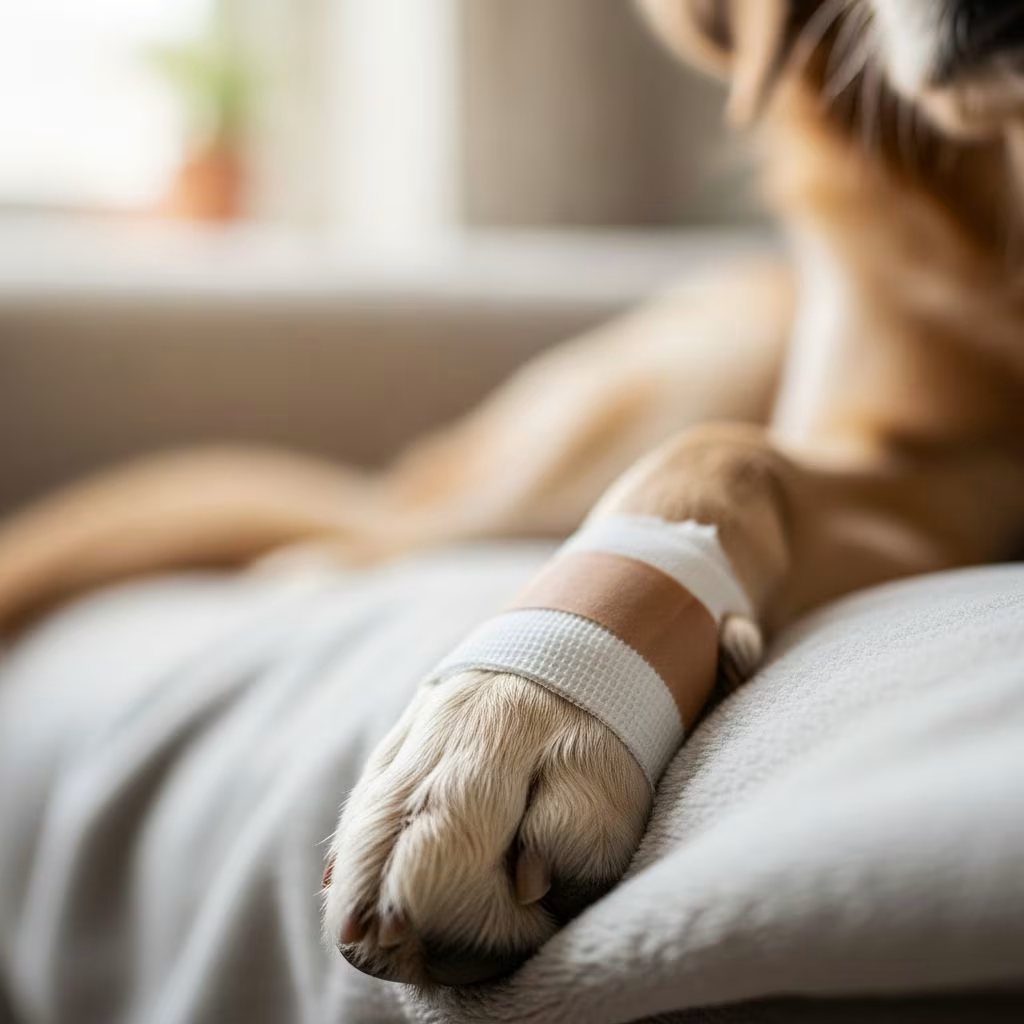
Use non-stick gauze over the pad, padded for comfort. Wrap with roll gauze, then self-adherent vet wrap up to the next joint. Ensure two fingers fit underneath for circulation. Secure without tightness; change daily.
- Primary layer: Non-adherent pad absorbs blood.
- Secondary: Gauze for cushioning.
- Outer: Vet wrap prevents slippage.
Professional Veterinary Interventions
Home care stabilizes, but vets provide comprehensive treatment. They trim fur, debride dead tissue, and assess depth. Stitches are rare for pads due to poor suture retention from friction; bandaging promotes natural healing instead.
Vets apply medicated ointments, prescribe antibiotics for infection risk, and pain relievers. For burns, soothing creams reduce inflammation. Follow-up checks monitor progress; expect 2-4 weeks for full healing depending on severity.
Preventing Licking and Re-Injury
Dogs instinctively lick wounds, introducing bacteria. Use an **E-collar** or cone to block access. Bitter sprays deter chewing bandages. Confine activity: short leash walks only, no running or jumping.
Booties protect during healing but ensure they fit loosely. Keep bandages dry with plastic bags over them in wet conditions.
Monitoring for Complications
Daily bandage changes reveal issues early. Watch for:
- Swelling or cold toes: Too tight; loosen immediately.
- Foul odor, pus, or redness: Infection; antibiotics needed.
- Persistent bleeding or gaping: Requires sutures or surgery.
- Limping worsening: Possible deeper damage like tendon involvement.
Healing stages: Days 1-3 reduce bleeding; week 1 forms granulation tissue; weeks 2-4 epithelialize. Patience is key as weight-bearing slows process.
Paw Pad Recovery Timeline and Tips
Mild injuries heal in 7-10 days with bandaging. **Moderate cuts/flaps** take 2-3 weeks. Severe cases may need 4-6 weeks plus meds.
- Week 1: Keep bandaged, minimal activity.
- Week 2: Gradual exposure if granulating well.
- Post-healing: Moisturize pads with vet-approved balms to prevent cracking.
Nutrition aids recovery: High-protein diets support tissue repair. Supplements like omega-3s reduce inflammation.
Preventing Future Paw Injuries
Proactive steps safeguard paws:
- Walk during cool hours; test pavement temperature (too hot for you = too hot for dog).
- Use booties on rough/hot surfaces.
- Trim nails regularly to avoid unnatural gait.
- Inspect paws post-outings; apply paw wax for traction.
Breeds like Huskies or active hikers face higher risks; tailor prevention accordingly.
Frequently Asked Questions (FAQs)
How long does a dog paw pad take to heal?
Typically 1-4 weeks, varying by injury depth and care quality. Bandaging accelerates healing.
Can I use human bandages on my dog’s paw?
No; opt for pet-specific non-stick gauze and vet wrap to avoid irritation or slippage.
When should I take my dog to the vet for a paw injury?
If bleeding won’t stop, deep puncture, signs of infection, or no improvement in 3 days.
Is it okay to let my dog lick a small cut?
No; saliva harbors bacteria. Use an E-collar.
What if the bandage falls off?
Reapply immediately and monitor; frequent slippage may need vet re-bandaging.
Long-Term Paw Health Maintenance
Beyond acute injuries, routine care prevents issues. Check pads monthly for cracks or wear. Hydrate with paw balms containing lanolin or shea butter. For working dogs, custom boots provide durability.
Environmental hazards like ice melt chemicals demand paw rinses post-exposure. Annual vet exams include pad inspections.
References
- Dog Paw Pad Injury: What to Do for Flaps, Burns, Cuts, & More — ToeGrips. 2023. https://toegrips.com/dog-paw-pad-injury/
- First Aid for Torn or Injured Foot Pads in Dogs — VCA Animal Hospitals. 2024. https://vcahospitals.com/know-your-pet/first-aid-for-torn-or-injured-foot-pads-in-dogs
- Treating Paw Pad Injuries — PEDIGREE. 2023. https://www.pedigree.com/dog-care-articles/treating-paw-pad-injuries
- What do I do if my dog has cut their paw pad? — Westfield Animal Hospital. 2024-09-30. https://www.westfieldanimal.com/site/blog/2024/09/30/what-do-dog-cut-paw-pad
- What To Do If Your Dog Has a Cut Paw Pad — VR Animals. 2024-01-15. https://www.vranimals.com/site/blog/2024/01/15/dog-cut-paw-pad
- What to do if my dog cut their paw pad? — Cedar Animal Medical Center. 2024-06-15. https://www.cedaranimalmedicalcenter.com/site/blog/2024/06/15/dog-cut-paw-pad
- What To Do If Your Dog Has a Cut Paw Pad — Cerbat Cliffs Animal Hospital. 2022-02-03. https://www.cerbatcliffs.com/site/blog/2022/02/03/dog-cut-paw-pad



