

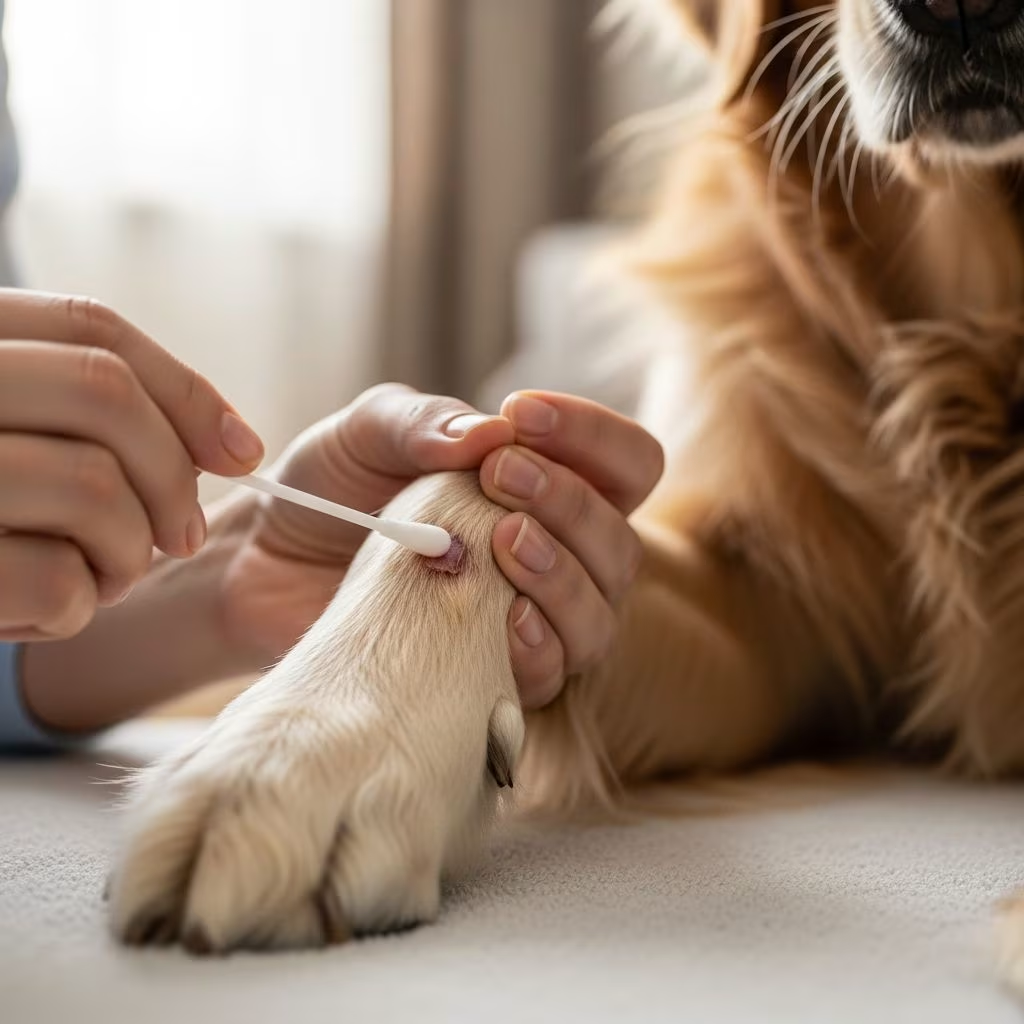
Dog paws endure constant wear from walks, play, and rough terrain, making injuries like cuts, scrapes, punctures, and burns common. Quick action with proper first aid can prevent infection and speed recovery, but knowing limits is key to avoiding complications. This guide covers assessment, treatment, and prevention using vet-recommended methods.
Understanding Common Paw Problems in Dogs
Paw pads serve as shock absorbers and protection, but they face hazards like sharp rocks, hot pavement, chemicals, and glass. Minor issues heal with home care, while severe ones demand veterinary intervention.
- Cuts and scrapes: Superficial slices from debris cause bleeding and pain.
- Punctures: Deep holes from thorns or nails risk infection by trapping bacteria.
- Burns: Heat from asphalt or chemicals leads to blisters and peeling.
- Flaps or tears: Loose pad skin from trauma hinders walking.
- Foreign objects: Splinters or shards embedded deeply.
Recognizing these early ensures timely care, reducing healing time from weeks to days.
Spotting Signs Your Dog’s Paw Needs Attention
Observe your dog’s gait and behavior for clues. Limping, reluctance to walk, or excessive licking signals trouble.
| Symptom | Possible Cause | Urgency Level |
|---|---|---|
| Limping or favoring one paw | Any injury type | Moderate – Monitor |
| Heavy bleeding that soaks bandages | Deep cut or puncture | High – Vet now |
| Swelling, redness, pus | Infection | High – Vet ASAP |
| Burned, blistered pad | Thermal or chemical | Moderate to High |
| Deeply embedded object | Foreign body | High – Do not remove |
Use this table to gauge severity. Always check paws after outdoor activities.
Step-by-Step First Aid for Paw Injuries
Act calmly and methodically. Gather supplies: saline, mild soap, tweezers, gloves, antibiotic ointment, gauze, vet wrap, tape, and scissors.
1. Secure Your Dog and Assess Safely
Muzzle if needed to prevent bites from pain. Gently lift the paw in good light to inspect without forcing.
2. Control Bleeding
Apply firm pressure with clean gauze for 5-10 minutes. Elevate the paw if possible. Most minor bleeds stop quickly; persistent ones need a vet.
3. Remove Loose Debris Carefully
Use tweezers for superficial items like small thorns. Never dig into deep punctures—risks further damage. Flush instead.
4. Thorough Cleaning Protocol
Flush with cool saline (1 tsp salt per quart water) or running water for 5 minutes to cool burns and dislodge particles. Add chlorhexidine or mild soap for disinfection. Pat dry gently.
5. Apply Protective Ointment
Spread triple antibiotic like Neosporin thinly. Avoid eyes or mouth if licked.
6. Proper Bandaging Technique
Layer non-stick pad over wound, then gauze from toes to above ankle. Secure with vet wrap or self-adhering bandage—snug but not tourniquet-tight. Add stirrup tapes on sides for stability. Check toes stay warm and pink hourly first day.
Change daily or if wet/soiled. Use plastic bag for rain.
Advanced Home Care and Monitoring
Post-bandage, restrict activity—no rough play or long walks. Use an e-collar if licking occurs.
- Daily checks: No swelling, cold toes, or discharge.
- Clean at changes; reapply ointment.
- Boost healing: Keep dog rested, feed nutrient-rich diet with omega-3s.
Paw pads rarely need stitches due to movement tearing them; bandaging promotes natural regrowth. Patience is vital—healing takes 10-21 days.
When to Rush to the Veterinarian
Home care suits superficial wounds, but escalate if:
- Bleeding uncontrolled after 10 minutes pressure.
- Deep wounds exposing tissue/bone.
- Signs of infection: heat, pus, fever, lethargy.
- Non-weight bearing limp over 24 hours.
- Chemical exposure or large burns.
- Bandage issues: swelling, odor, slippage.
Vets may sedate for deep clean, prescribe antibiotics/pain meds, or use specialized pads.
Preventing Future Paw Injuries
Proactive steps minimize risks:
- Inspect paths: Avoid glass-littered areas, hot surfaces (test with hand 5 seconds).
- Booties: Use for rough hikes, winter salt, summer heat.
- Moisturize: Paw balms prevent cracks.
- Regular checks: Trim nails, scan for cracks post-walks.
- Training: Teach to avoid hazards.
Healthy pads start with balanced nutrition supporting skin integrity.
Special Cases: Burns, Abrasions, and Infections
Treating Burns
Cool immediately with running water 10-20 minutes. No ice directly. Bandage loosely with soothing gels from vet.
Managing Abrasions and Flaps
Trim loose flaps if vet advises; otherwise, clean and bandage to let adhere naturally.
Fighting Infections
Antibiotics essential if pus forms. Culture deep wounds.
FAQs on Dog Paw Injury Care
Q: Can I use human bandages?
A: Vet wrap preferred; human ace bandages slip and constrict.
Q: How tight should the bandage be?
A: Snug enough to stay on, loose enough for two fingers underneath. Check circulation.
Q: What if my dog chews the bandage?
A: E-collar or bitter spray. Consult vet for alternatives.
Q: Do paw pads grow back?
A: Yes, with proper care; full regrowth in 2-4 weeks.
Q: Is hydrogen peroxide safe?
A: No—delays healing. Use saline or vet solutions.
Long-Term Recovery and Rehabilitation
Once healing starts, gradually reintroduce walks on soft grass. Physical therapy like gentle massages aids strength. Monitor for scarring affecting gait.
For chronic issues (e.g., allergies causing cracks), allergy testing or boots help.
References
- How to Treat a Dog Paw Pad Injury — Vital Vet. 2023. https://vitalvet.org/blogs/news/how-to-treat-a-dog-paw-pad-injury
- Dog Paw Pad Injury: What to Do for Flaps, Burns, Cuts, & More — ToeGrips. 2024. https://toegrips.com/dog-paw-pad-injury/
- What to do if your dog has a pad wound — American Red Cross. 2023. https://www.redcross.org/take-a-class/resources/learn-pet-first-aid/dog/pad-wounds
- Animal Practice: Canine Paw Injuries — Wilderness Medical Society. 2022. https://wms.org/magazine/magazine/1072/Animal-Practice-Canine-Paw-Injuries/default.aspx
- Dog Paw Pad Injury Flap: How to Help Your Dog — Saratoga Vet Hosp. 2023. https://saratogavethosp.com/blog/dog-paw-pad-injury-flap/
- Treating Paw Pad Injuries — Pedigree. 2024. https://www.pedigree.com/dog-care-articles/treating-paw-pad-injuries
- First Aid for Torn or Injured Foot Pads in Dogs — VCA Animal Hospitals. 2025. https://vcahospitals.com/know-your-pet/first-aid-for-torn-or-injured-foot-pads-in-dogs



