

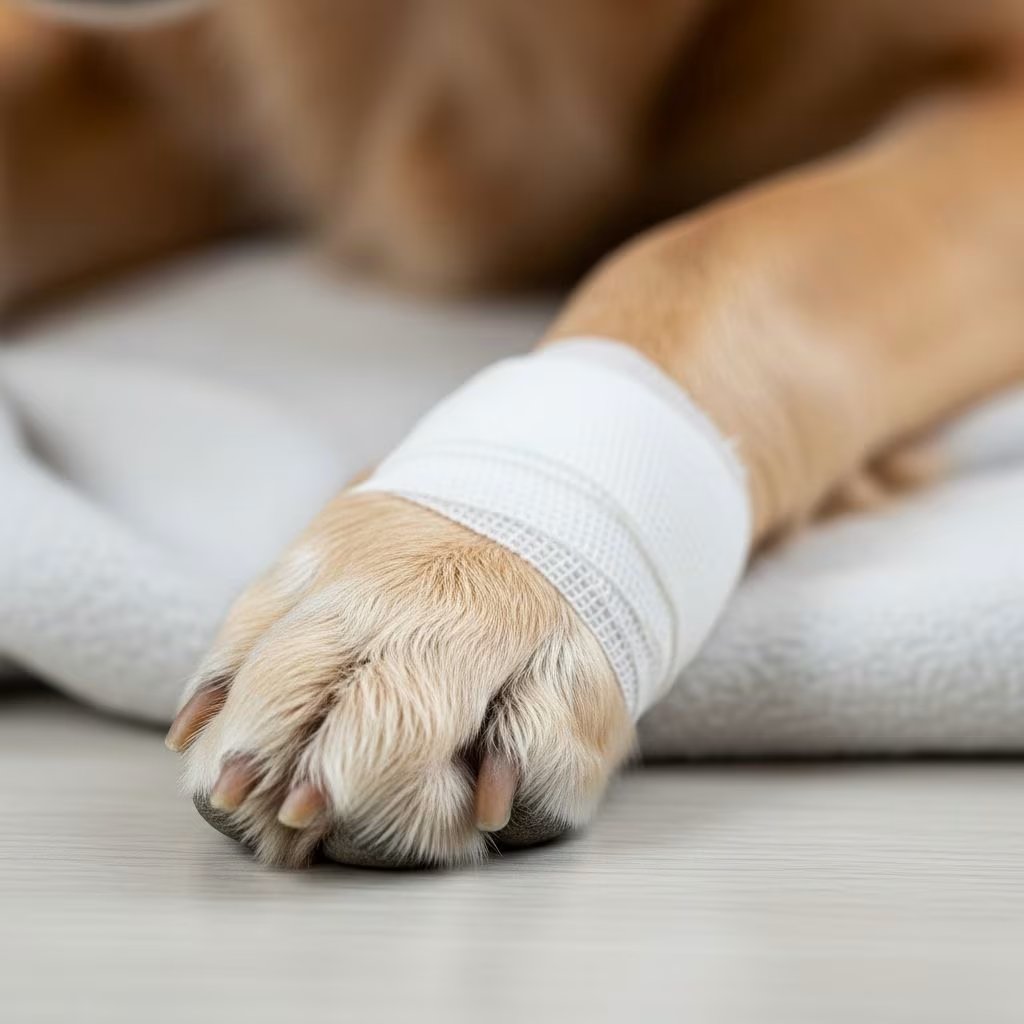
Dog paw pads are tough, leathery structures that protect against rough terrain, heat, and cold, but they remain vulnerable to cuts, burns, punctures, and abrasions. Quick action during the initial response phase can significantly reduce pain, prevent infection, and speed up recovery. This guide details essential first aid protocols, professional treatments, and long-term care strategies based on veterinary recommendations.
Recognizing Common Paw Pad Problems
Paw pads endure constant stress from walking, running, and environmental hazards. Common injuries include lacerations from glass or sharp rocks, burns from hot pavement or chemicals, punctures from thorns or nails, and flap injuries where skin tears partially away. Early detection is crucial: look for limping, reluctance to walk, blood trails, swelling, or excessive licking. Superficial scrapes may only need basic cleaning, while deeper wounds demand immediate veterinary evaluation.
Immediate First Aid Steps
When you spot an injury, stay calm to keep your dog relaxed. Follow these sequential steps to stabilize the situation before professional help.
- Secure the area: Confine your dog to prevent further damage. Use a leash or crate if needed.
- Examine the paw: Gently part the fur and toes to assess depth. Avoid pulling embedded objects if deeply lodged, as this risks worsening damage to vessels or joints.
- Control bleeding: Apply firm, direct pressure with a clean cloth or gauze for 5-10 minutes. Elevate the paw if possible. Most minor cuts clot naturally.
For burns, flush with cool (not ice-cold) water for 10-20 minutes to soothe and remove irritants. Chemical exposures require thorough rinsing until no residue remains.
Cleaning the Wound Properly
Cleaning removes debris and bacteria, reducing infection risk. Start with lukewarm water and mild soap, then rinse with saline solution (1 teaspoon salt per pint of water) to mimic the body’s fluids without stinging. Use antiseptics like chlorhexidine or diluted betadine for disinfection, avoiding hydrogen peroxide which delays healing. Pat dry with a clean towel—never rub. Inspect for remaining particles; tweezers work for superficial ones, but leave deep foreign bodies to vets.
Tools for Effective Cleaning
| Item | Purpose | Notes |
|---|---|---|
| Saline solution | Gentle rinse | Homemade or store-bought |
| Chlorhexidine | Antibacterial | Dilute 1:40 with water |
| Clean tweezers | Debris removal | Sterilize with alcohol first |
| Gauze pads | Drying and padding | Non-stick variety preferred |
Bandaging Techniques for Protection
A proper bandage shields the wound from dirt, licking, and pressure while allowing airflow. Vets rarely stitch paw pads due to high friction causing suture failure; instead, they promote healing by secondary intention. Layer as follows:
- Non-stick pad: Place over the wound to absorb exudate without sticking.
- Cast padding or gauze: Cushion for comfort and support.
- Self-adherent wrap (e.g., Vetwrap): Secure snugly, ensuring two fingers fit underneath to check circulation.
Extend the wrap to the next joint for stability. Change daily or if soiled, cleaning the paw each time. Use a bootie or sock over the bandage for active dogs, and an Elizabethan collar (e-collar) to deter chewing.
Professional Veterinary Interventions
Always consult a vet after first aid, especially for deep cuts, heavy bleeding, or exposed tissue. At the clinic, expect thorough debridement (dead tissue removal), possible trimming of damaged pad edges, and antibiotic ointments. Oral antibiotics combat infection, while pain relievers like NSAIDs ease discomfort. Severe cases, such as full pad loss, heal conservatively with bandaging and restricted activity, as shown in a Greek veterinary case where a dog recovered fully without grafts. Rechecks ensure progress; healing takes 2-6 weeks depending on severity.
Monitoring for Complications
Watch for red flags signaling trouble: increased swelling, pus, foul odor, fever, or bandage slippage causing toe swelling. Too-tight wraps cut circulation—check toes for coolness or purple hue. Persistent limping beyond 48 hours warrants a re-visit. Infections prolong recovery, but prompt antibiotics resolve most.
Preventing Future Paw Pad Injuries
Proactive measures safeguard paws year-round. Inspect walking paths for hazards like broken glass or hot asphalt (test with your hand—if too hot for you, it’s too hot for your dog). Trim nails regularly to avoid cracking. Moisturize dry pads with vet-approved balms containing lanolin or vitamin E, but sparingly to prevent slippage. Booties protect during hikes, winter salt exposure, or summer heat. Maintain a healthy weight to reduce joint stress, and provide soft resting surfaces.
- Daily paw checks after outdoor time.
- Belly rubs or gentle massages to encourage inspection.
- Seasonal gear: Musher’s wax for ice, cooling mats for heat.
Nutrition and Home Care for Optimal Recovery
Support healing internally with a balanced diet rich in protein (25-30% for wound repair), omega-3s for inflammation reduction, and zinc for tissue regeneration. Hydration aids flushing toxins. Limit exercise to leashed walks on soft grass; no rough play until cleared by vet. Create a quiet recovery zone with orthopedic bedding to minimize paw pressure.
Frequently Asked Questions (FAQs)
Can paw pad injuries heal without bandages?
Minor scrapes might, but bandaging accelerates healing and prevents contamination for most injuries.
How long does a cut paw pad take to heal?
Typically 10-21 days for superficial cuts, longer (up to 6 weeks) for deep ones with proper care.
Should I let my dog lick the wound?
No—bacteria from the mouth delays healing and risks abscesses. Use an e-collar.
What if the injury doesn’t improve in 3 days?
Contact your vet immediately for potential infection or inadequate treatment.
Are stitches ever used on paw pads?
Rarely, due to poor suture retention from movement; conservative management is standard.
Long-Term Pad Health Maintenance
Post-recovery, gradually reintroduce activity. Monitor for scarring that might crack—apply protective waxes. Breeds like Bulldogs or Huskies with thicker pads fare better, but all dogs benefit from routine conditioning walks on varied surfaces to toughen pads naturally. Annual vet exams catch early wear from allergies or autoimmune issues mimicking injuries.
In summary, paw pad injuries, while common, respond well to systematic care. Empower yourself with knowledge to act swiftly, minimizing suffering and downtime for your canine companion.
References
- Paw pad injuries in dogs: treatment and follow-up — Vets and Clinics. 2023. https://www.vetsandclinics.com/es/biblioteca/paw-pad-injuries-in-dogs-treatment-and-follow-up
- Dog Paw Pad Injury: What to Do for Flaps, Burns, Cuts, & More — ToeGrips. 2023. https://toegrips.com/dog-paw-pad-injury/
- Dog Paw Pad Injury Flap: How to Help Your Dog — Saratoga Vet Hosp. 2023. https://saratogavethosp.com/blog/dog-paw-pad-injury-flap/
- What To Do If Your Dog Has a Cut Paw Pad — VR Animals. 2024-01-15. https://www.vranimals.com/site/blog/2024/01/15/dog-cut-paw-pad
- Treating Paw Pad Injuries — Pedigree. 2023. https://www.pedigree.com/dog-care-articles/treating-paw-pad-injuries
- What do I do if my dog has cut their paw pad? — Westfield Animal Hospital. 2024-09-30. https://www.westfieldanimal.com/site/blog/2024/09/30/what-do-dog-cut-paw-pad



