

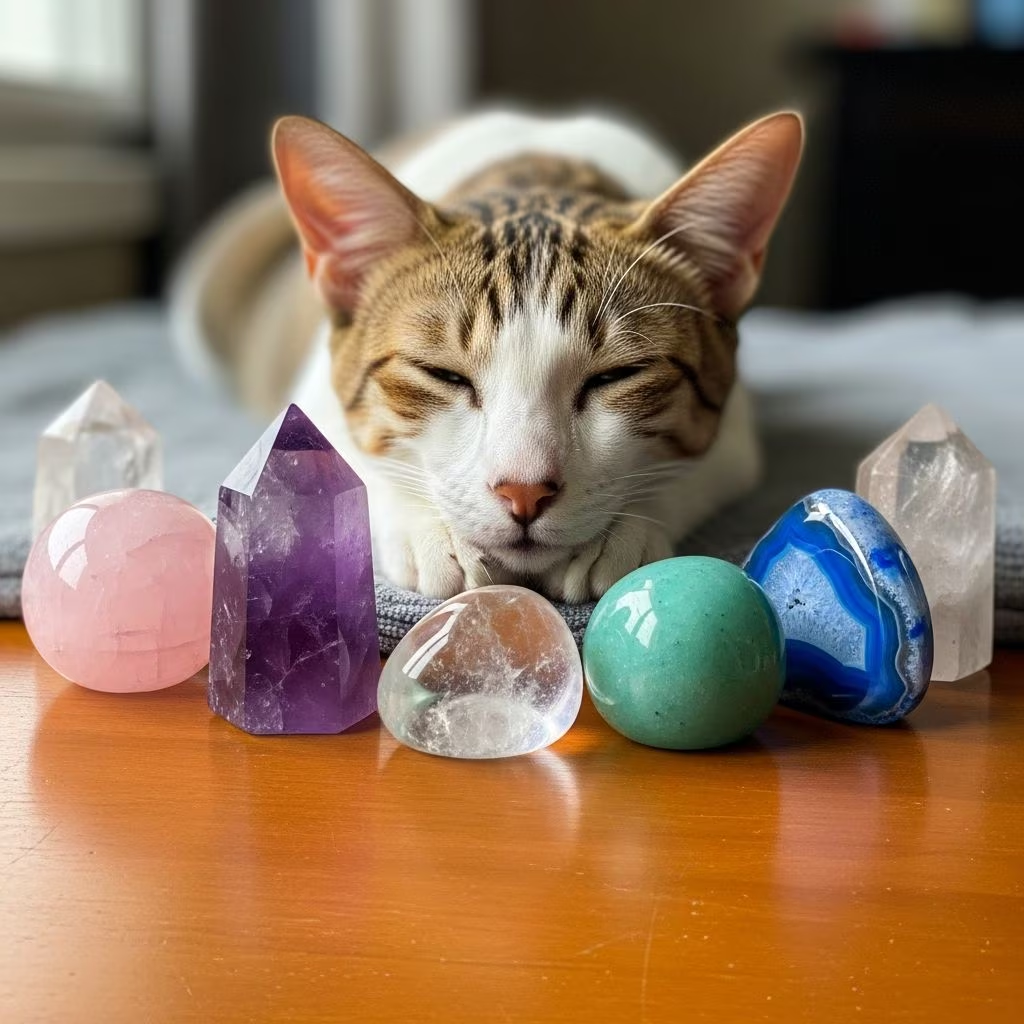
Healing Crystals for Pets: What You Should Know About the Trend
The wellness industry has embraced many alternative healing practices, and pet owners are increasingly curious about whether these approaches can benefit their furry companions. One trend gaining traction in the pet community is the use of healing crystals. From amethyst to clear quartz, pet parents are exploring whether these colorful stones can improve their cat’s or dog’s physical health, emotional well-being, and overall energy balance. But what does the evidence say, and is it truly safe to introduce crystals into your pet’s environment?
Understanding How Healing Crystals Are Believed to Work
According to practitioners of crystal healing, crystals and gemstones emit subtle vibrations based on their mineral composition. The theory suggests these vibrations interact with a pet’s energy field to remove energetic blocks, restore balance, and encourage optimal health. Crystal healing is often combined with other alternative therapies such as Reiki and acupuncture to create a more comprehensive wellness approach.
Proponents claim that crystal healing works by influencing the electromagnetic field that surrounds animals, which includes emotional, mental, and physical dimensions. The belief is that disruptions in the normal flow of energy eventually lead to physical illness and psychological symptoms. By introducing crystals into a pet’s environment, supporters argue that emotional, physical, and mental balance can be restored.
Purported Benefits of Crystal Healing for Pets
Pet owners and crystal healing practitioners report numerous potential benefits when using crystals with their animals, though it’s important to note these claims are largely anecdotal. Some commonly cited benefits include:
- Reduced anxiety and stress
- Relief from aches and pains
- Improved sleep quality
- Protection from negative energy
- Increased confidence and learning ability
- Behavioral improvements including reduced aggression or excessive barking
- Enhanced friendliness and social interaction
- Support for skin conditions and respiratory health
Many pet owners report observable changes in their pets’ behavior after introducing crystals. Some have noted that their dogs became more relaxed, more amenable to training, and more social. Others have reported improvements in joint pain, eczema, and stress-related symptoms. However, these reports represent individual experiences rather than scientifically validated outcomes.
Popular Crystals for Pets and Their Attributed Properties
Different crystals are believed to offer distinct healing properties for animals. Understanding these attributed purposes can help pet owners select stones that align with their pet’s specific needs.
Clear Quartz
Known as the “master healer,” clear quartz is one of the most popular crystals for pet wellness. Crystal enthusiasts believe clear quartz balances and revitalizes the physical, mental, emotional, and spiritual state of cats and dogs. It is reputed to amplify the healing properties of other crystals and help alleviate excessive barking or aggression. Many pet owners report that clear quartz enhances focus and communication between pets and their humans, making it particularly useful during obedience training.
Amethyst
Amethyst is known for its calming properties and is frequently recommended for anxious or stressed pets. This purple stone is believed to promote relaxation and tranquility, making it an ideal choice for elderly pets or those prone to anxiety. Some pet owners have reported significant improvements in joint pain and mobility after introducing amethyst to their pets’ environment, particularly when placed on a pet’s collar or in their bed.
Rainbow Fluorite
Rainbow fluorite is reputed to address physical pain and release negative energy stored in a pet’s body. It is believed to be particularly effective for calming anxious pets and providing stability. Additionally, some practitioners claim rainbow fluorite aids digestion and alleviates digestive issues, making it beneficial for pets with sensitive stomachs.
Calcite
Available in various colors including white, green, orange, and yellow, calcite is considered a versatile crystal for pet wellness. It is believed to support the skeletal system and help pets experiencing joint pain or arthritis. Calcite is also thought to activate the body’s innate healing mechanisms, assisting pets in recovery after surgery or illness.
How to Use Healing Crystals With Your Pet
There are several practical methods for incorporating crystals into your pet’s daily environment. The approach you choose should depend on your pet’s temperament, your comfort level, and the specific benefits you’re seeking.
Crystal-Infused Pet Beds
One popular method involves placing small tumbled stones under cushions or sewing them into the lining of pet beds. When your pet lies down on the bed, the theory suggests they’ll experience contact with the crystal energy, creating a soothing effect. This approach is especially helpful for anxious or elderly pets and allows for passive exposure without direct handling.
Crystal Massage
Another technique involves gently massaging your pet while holding a crystal. Practitioners believe the stone channels energy through your hands into your pet’s body. For this method, it’s important to use broad crystals with smooth, polished surfaces rather than raw stones with jagged edges. The massage can be particularly effective for targeting specific areas of discomfort or tension.
Crystal Accessories
Some pet owners place crystals on their pet’s collar or use specially designed crystal collars. When using this method, crystals should be securely wired or wrapped to prevent choking hazards. This approach allows for constant exposure to the crystal’s energy throughout the day.
Energy Work and Intention Setting
Crystal healers may hold a crystal a few inches from an injured or affected area and rotate it clockwise slowly. Some practitioners recommend warming a crystal in the sun before use. When using crystals this way, setting a specific intention for healing or emotional support is considered important for maximizing effectiveness.
Safety Considerations for Crystal Healing With Pets
While crystal healing is generally considered safe, proper handling and precautions are essential when using crystals around pets. Pet owners should take the following safety measures seriously:
Supervision and Monitoring
Always supervise your pet when first introducing crystals. Watch carefully for any signs of chewing, licking, or attempting to consume the stones. Pets can become curious about new objects in their environment, and ingesting crystals could pose serious health risks.
Avoiding Toxic Crystals
While most crystals are considered pet-safe, some varieties are toxic and should be avoided entirely. Crystals known to be potentially harmful include malachite, stibnite, and cinnabar. Research any crystal thoroughly before introducing it to your pet’s environment, and consult with your veterinarian if you have concerns about specific stones.
Preventing Choking Hazards
Loose crystals should never be scattered around your home where pets can access them freely. Keep crystals out of reach and secure any stones attached to collars with appropriate wrapping or wiring. Check crystal attachments regularly for damage to ensure they remain secure.
Gradual Introduction
Introduce crystals gradually to monitor your pet’s reactions. Some pets may experience what practitioners call a “healing crisis,” which involves temporary physical symptoms similar to those the crystal is meant to treat. If your pet shows signs of irritation, digestive upset, or hyperactivity, discontinue use immediately and consult your veterinarian.
Choosing Appropriate Crystal Forms
Select smooth, polished stones over raw crystals with jagged edges. Polished crystals are safer to handle and less likely to cause injury if your pet does manage to contact them directly.
What Veterinarians Say About Crystal Healing for Pets
The veterinary community holds varied perspectives on crystal healing for pets. Some veterinarians incorporate alternative practices into their care models, while others remain skeptical due to lack of scientific evidence.
Some holistic veterinarians have adopted crystal healing into their practices. Dr. Pema Choepel Mallu of Holistic Veterinary Healing uses crystals for “dowsing the energy field and checking chakra balancing.” She notes that crystal healing is an inexpensive wellness approach that can be practiced comfortably at home. However, she emphasizes that crystal healing should never replace veterinary advice or medical treatment.
Other veterinarians, including Dr. Rachel Barrack of Animal Acupuncture in New York City, acknowledge that crystal healing is unlikely to cause harm but express concerns about efficacy. According to Dr. Barrack, “without concrete scientific evidence as to its merit, this is certainly not something I recommend or endorse as a healing modality.”
The consensus among responsible practitioners and veterinarians is clear: crystal healing should complement veterinary care, never replace it. Pet owners interested in crystal healing should work closely with their veterinarian, ensure all medical needs are addressed through proper veterinary treatment, and view crystals as a supplementary wellness tool rather than a cure.
The Science Behind Crystal Healing: What Research Shows
It’s crucial to acknowledge that the scientific evidence supporting crystal healing for pets is limited. The efficacy of crystal healing lacks substantial scientific validation, and the practice is often regarded as pseudoscience by the medical and scientific communities. While many pet owners report positive experiences and observable changes in their pets, these accounts should be viewed as anecdotal rather than conclusive proof of effectiveness.
The improvements attributed to crystal healing may be influenced by several factors, including the placebo effect, improved owner attention and care, natural recovery processes, or other environmental changes coinciding with crystal introduction. As with any alternative therapy, it’s advisable to approach crystal healing with an open mind while maintaining realistic expectations and awareness of its limitations.
When Pets React Negatively to Crystals
While most pets appear indifferent or responsive to crystals, not all animals respond positively. Some dogs turn away from crystals and show reluctance to interact with them. Others may become restless, uncomfortable, or fatigued if a crystal is attached to their collar. In rare cases, extreme reactions have been reported, including sudden fatigue so severe the pet couldn’t raise their head.
If your pet displays negative reactions to crystals, remove them immediately. Some practitioners suggest that severe negative reactions might indicate underlying health issues worth investigating with a veterinarian. If your pet eventually tolerates crystals better, try gradually reintroducing them in short sessions, extending the duration over weeks as your pet becomes more comfortable.
Frequently Asked Questions About Crystal Healing for Pets
Q: Can crystal healing replace veterinary care for my pet?
A: No. Crystal healing should never replace professional veterinary care. It should only be used as a complementary approach alongside proper medical treatment. Always consult your veterinarian before introducing alternative therapies and ensure all medical needs are addressed through conventional veterinary medicine.
Q: Are healing crystals safe for all pets?
A: Crystals are generally considered safe when used properly, but some varieties are toxic. Avoid malachite, stibnite, and cinnabar. Always supervise your pet and watch for signs of chewing or ingestion. Introduce crystals gradually and discontinue use if your pet shows signs of irritation or distress.
Q: How long does it take to see results from crystal healing?
A: Results vary greatly among individual pets. Some owners report changes within days or weeks, while others notice improvements more gradually. Some pets may show no observable changes. Patience and realistic expectations are important when exploring alternative wellness approaches.
Q: Which crystals are best for anxious pets?
A: Amethyst and clear quartz are commonly recommended for anxious pets. These stones are believed to promote calm and reduce stress. However, individual responses vary, and what works for one pet may not work for another.
Q: Can I use crystals if my pet has a medical condition?
A: Consult your veterinarian before using crystals if your pet has any medical conditions. Your vet can advise whether crystal use is appropriate alongside your pet’s medical treatment and help you monitor for any interactions or complications.
Conclusion: A Balanced Perspective on Pet Crystals
Healing crystals represent one of many alternative wellness approaches gaining popularity among pet owners. While scientific evidence supporting their effectiveness remains limited, many pet owners report positive experiences and observable improvements in their pets’ behavior and well-being. Whether these results stem from crystal energy, placebo effect, increased owner attention, or natural healing processes remains unclear.
If you’re interested in exploring crystal healing for your pet, approach it thoughtfully. Prioritize your pet’s safety by researching crystal toxicity, supervising introductions, and avoiding loose stones that pose choking hazards. Most importantly, maintain your pet’s relationship with professional veterinary care. Work closely with your veterinarian, ensure all medical needs are addressed through proper treatment protocols, and view crystals as a supplementary wellness tool rather than a medical treatment.
Crystal healing offers a gentle, non-invasive way to complement your pet’s wellness routine when used responsibly and in conjunction with professional veterinary care. Whether crystals become part of your pet’s wellness journey depends on your beliefs, your pet’s individual response, and your veterinarian’s guidance. Ultimately, the most important factor in your pet’s health and happiness remains consistent veterinary care, proper nutrition, regular exercise, and abundant love and attention.
References
- A Holistic Guide to Crystal Healing for Dogs and Cats — Bhatt Vet Specialty. Accessed November 28, 2025. https://www.bhattvetspecialty.com/blog-veterinarian-care/a-holistic-guide-to-crystal-healing-for-dogs-and-cats
- Healing Crystals and Pets: What You Should Know — Chewy. Accessed November 28, 2025. https://www.chewy.com/education/cat/general/health-wellness-healing-crystals-pets-what-to-know-about-the-trend
- Canine Earth Energy Healing — Whole Dog Journal. Accessed November 28, 2025. https://www.whole-dog-journal.com/care/canine-earth-energy-healing/
- Crystal Healing & Reiki For Cats and Dogs — Merci Collective. Accessed November 28, 2025. https://www.mercicollective.com/crystal-healing-reiki-for-dogs-cats
- 8 Crystals for Pets And Their Holistic Wellness — To Crystal. Accessed November 28, 2025. https://tocrystal.com/blog/holistic-wellness-with-crystals-for-pets/
- Crystals and Animal Healing: What Pet Owners Should Know — Sage and Magic. Accessed November 28, 2025. https://sageandmagic.com/blogs/good-vibes/crystals-and-animal-healing-what-pet-owners-should-know



