

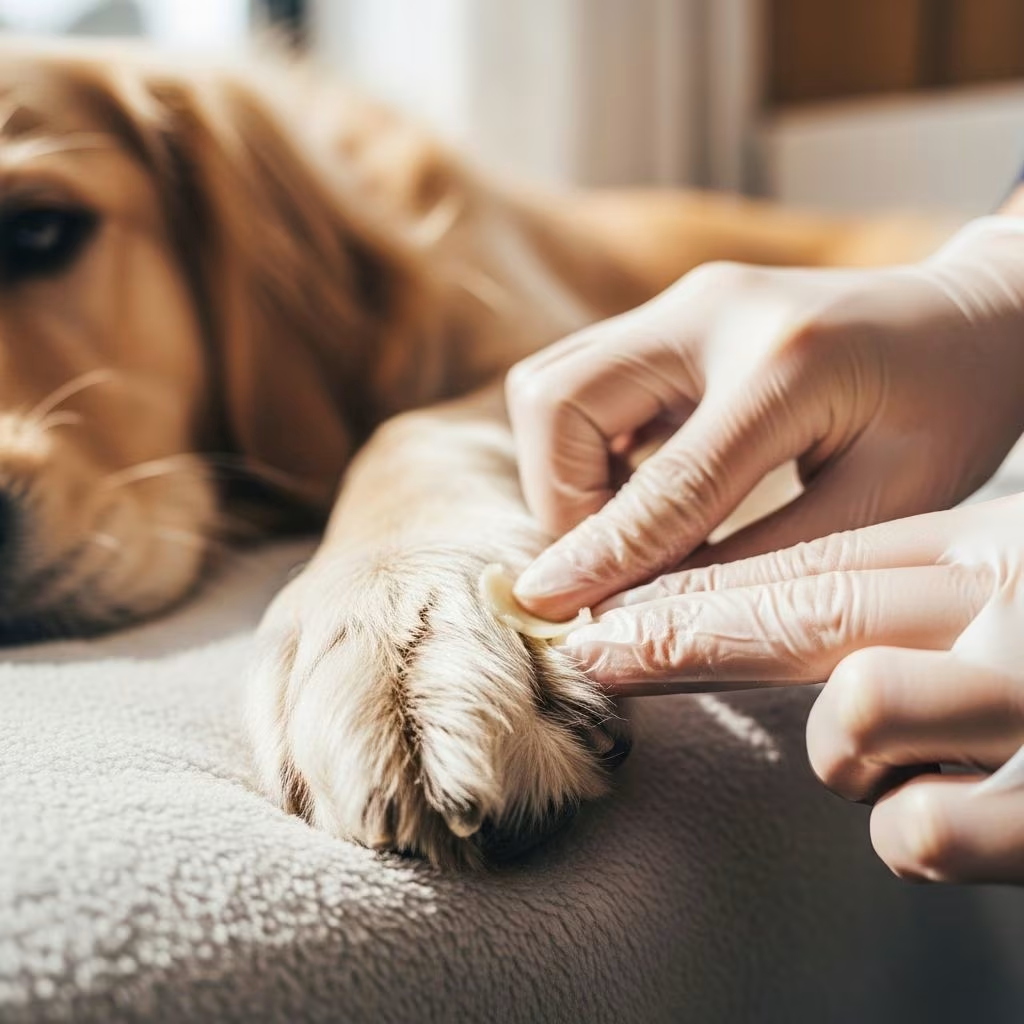
Cracked dog paws can cause discomfort, limping, and risk infections if ignored. This guide explores causes, treatments, prevention, and seasonal strategies to keep paws resilient.
Understanding Dog Paw Structure and Vulnerability
Dog paws consist of tough pads supported by skin, fur, and nails, designed for traction and protection. Pads endure constant friction from walks, absorbing shocks on varied terrains. When dry or damaged, they crack, exposing sensitive tissue to bacteria and irritants.
Over time, environmental stressors like heat, cold, chemicals, and rough surfaces erode pad integrity. Breeds with thin pads, such as Greyhounds, or those in arid climates face higher risks. Regular care maintains this vital structure for mobility and comfort.
Common Triggers Behind Paw Cracking
- Environmental Extremes: Hot asphalt burns pads in summer; ice, salt, and de-icers dry them in winter.
- Chemical Exposure: Road salts, lawn treatments, and household cleaners irritate and dehydrate skin.
- Overuse and Terrain: Prolonged runs on concrete or gravel cause abrasions and splits.
- Neglect in Grooming: Long nails split pads; matted fur traps moisture leading to cracks.
- Health Factors: Allergies, nutritional gaps, or conditions like hyperkeratosis thicken and crack pads.
Spotting Early Signs of Trouble
Monitor paws weekly during play or post-walks. Look for redness, swelling, limping, excessive licking, or rough texture. Small fissures may precede deep cracks; embedded debris like thorns worsens issues. Prompt detection prevents escalation to infections or pain.
| Sign | Severity Level | Action Needed |
|---|---|---|
| Mild dryness or roughness | Low | Moisturize immediately |
| Visible cracks or bleeding | Medium | Clean and bandage; vet if persists |
| Limping, pus, foul odor | High | Veterinary care urgently |
Home Treatments for Mild Cracking
For superficial cracks, clean gently with saline or diluted antiseptic like chlorhexidine, then pat dry. Apply pet-safe balm containing natural waxes or oils to seal moisture. Options include coconut oil or veterinary balms; avoid human lotions toxic to dogs.
- Wash paws in lukewarm water with mild, dog-safe soap.
- Dry thoroughly to prevent fungal growth.
- Massage balm into pads 1-2 times daily.
- Limit walks on irritants until healed.
Bandage loosely for protection, changing daily. If licking persists, use an e-collar.
Advanced Care and Veterinary Interventions
Severe cases may need antibiotics for infections or debridement for deep wounds. Vets assess for underlying issues like allergies via skin scrapes. Laser therapy promotes healing in chronic cases. Never use hydrogen peroxide, as it delays recovery.
Hyperkeratosis, excess pad growth, requires trimming and medicated soaks. Nutritional supplements with omega-3s support skin repair when diet lacks balance.
Seasonal Protection Blueprint
Summer Safeguards
Asphalt exceeding 85°F scorches pads in seconds. Test by hand: if unbearable after 5 seconds, walk on grass or use booties. Post-walk soaks in cool water soothe heat stress.
Winter Defense Tactics
Cold air desiccates pads; salts exacerbate. Wipe paws post-exposure, apply barriers like Vaseline or wax. Booties prevent frostbite on prolonged outings.
Daily Maintenance Routines
- Inspections: Check pads, nails, and fur bi-weekly.
- Nail Trims: Every 3-4 weeks; nails should not touch ground.
- Fur Trimming: Clip between toes to avoid matting.
- Cleaning: Wipe after every outing with damp cloths or portable washers.
- Moisturizing: Balm applications in dry seasons.
Acclimate fidgety dogs to handling with treats and gradual clipper exposure.
Nutrition’s Role in Paw Resilience
A balanced diet rich in fatty acids, zinc, and vitamins bolsters skin integrity. Foods supporting coat health indirectly fortify pads against cracking. Consult vets for tailored supplements if deficiencies appear.
FAQs on Cracked Dog Paws
What home remedy soothes cracked paws fastest?
Pet-safe balms or natural oils like coconut applied after cleaning provide quick hydration and protection.
Can cracked paws heal without vet help?
Mild cases yes, with consistent care; monitor for infection signs like swelling or discharge.
Are dog booties necessary year-round?
Ideal for extremes, but daily inspections suffice otherwise.
How often should I trim paw fur?
Every 2-4 weeks, or when matting occurs.
Does paw cracking indicate allergies?
Possibly, if paired with itching or redness elsewhere; allergy testing clarifies.
Long-Term Strategies for Tough Paws
Build paw toughness gradually with varied surfaces and proper conditioning. Annual vet exams catch breed-specific vulnerabilities. Engaged owners combining grooming, diet, and vigilance ensure paws withstand adventures.
References
- Paw Care Basics: Essential Tips for Healthy Dog Paws — Pawoasis Pet Resort. 2024. https://pawoasispetresort.com/paw-care-basics-essential-tips-for-healthy-dog-paws/
- Dog Paws Anatomy & Care Guide — JustFoodForDogs Blog. 2024. https://blog.justfoodfordogs.com/dog-paws-anatomy.html
- Dog Paw Care Tips and Paw Injuries Treatment — WebMD. 2025-01-15. https://www.webmd.com/pets/dogs/paw-care-tips-dogs
- Taking Care of Your Dog’s Paws — Hobesound Veterinary Clinic. 2025. https://www.hobesoundvet.com/taking-care-of-your-dogs-paws/
- How to Clean and Care for Your Dog’s Paws — American Kennel Club. 2024. https://www.akc.org/expert-advice/health/clean-dog-paws/



