

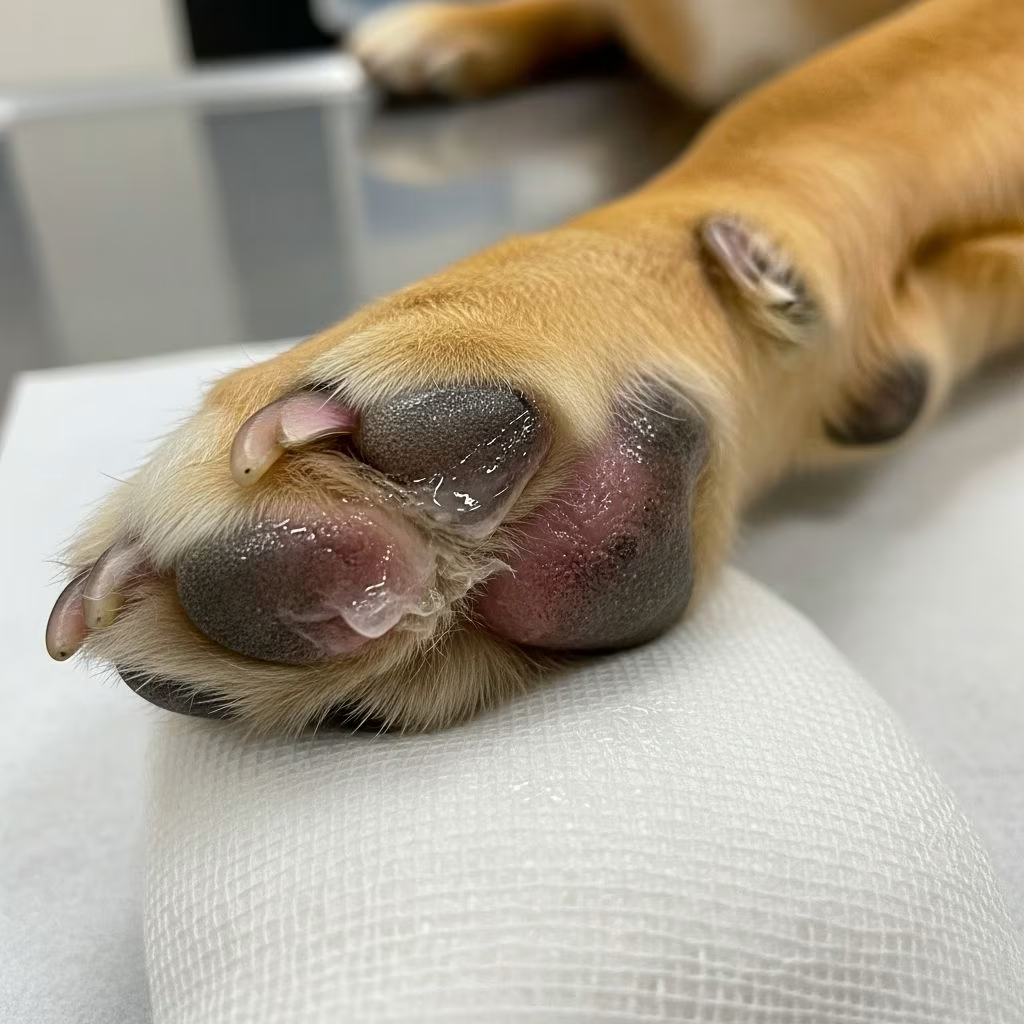
Dog paw pads serve as tough protective layers on the bottom of their feet, but they can suffer burns from hot surfaces, icy sidewalks, or corrosive chemicals. Quick recognition and proper care are essential to avoid infection and promote healing.
Understanding the Risks to Dog Paw Pads
Paw pads act like shock absorbers and insulators for dogs, yet extreme conditions can damage them rapidly. Asphalt heated by summer sun can reach temperatures over 140°F (60°C), causing burns in mere minutes during walks. Similarly, winter ice melt chemicals or de-icing salts irritate and burn sensitive skin. Household hazards like spilled cleaners or hot grills pose indoor threats. Active breeds exploring rough terrain face higher risks, making awareness crucial for all owners.
Signs Your Dog’s Paw Pads Are Burned
Early detection prevents worsening. Watch for these common indicators:
- Limping or reluctance to walk: Dogs favor uninjured paws to avoid pain.
- Redness, swelling, or blistering: Initial signs of surface damage.
- Peeling, cracking, or exposed tissue: Indicates deeper injury.
- Excessive licking or chewing: Attempts to soothe discomfort, risking further harm.
- Charred smell or blackened areas: Severe burns with tissue death.
If multiple paws show symptoms or your dog refuses to bear weight, act immediately.
Burn Severity Levels Explained
Burns classify by depth, guiding treatment urgency. The table below outlines characteristics and responses:
| Burn Degree | Symptoms | Home Care Feasibility | Vet Needed? |
|---|---|---|---|
| First-Degree | Redness, mild swelling, sensitivity | Yes, with monitoring | Monitor; vet if no improvement |
| Second-Degree | Blisters, oozing, severe swelling | Limited; first aid only | Yes, promptly |
| Third-Degree | Cracking, bleeding, tissue necrosis | No | Emergency |
Immediate First Aid Steps for Burned Paws
For mild cases, start care at home while heading to a vet if needed. Follow these steps precisely:
- Cool the paw: Hold under cool (not ice-cold) running water for 5-15 minutes to reduce heat and pain. Use a soaked cloth if submersion is difficult. Avoid ice, which worsens damage.
- Gently clean: Rinse with mild soap, saline, or diluted Betadine solution. Pat dry softly—never rub.
- Trim fur: Use guarded clippers to remove loose hair around the pad, preventing dirt trapping.
- Protect: Apply thin antibiotic ointment or natural paw balm, then cover with non-stick gauze and bandage in a figure-8 pattern. Ensure it’s snug but allows two fingers underneath.
Prevent licking with a cone or sock bootie. Limit activity to short potty breaks.
Professional Veterinary Interventions
Beyond mild burns, vets provide specialized care. Expect a full exam, possibly including skin scrapes, blood tests, or biopsies to rule out infections or other issues.
Cleaning and Bandaging Protocols
Vets debride dead tissue, apply medicated ointments, and fit custom bandages or booties. Change daily, monitoring for slippage or odor. Recovery spans 2-4 weeks with restricted walks.
Medication Options
Oral antibiotics combat infection in moderate cases, while NSAIDs manage pain and inflammation. Courses last 1-2 weeks; watch for side effects like vomiting.
Surgical Solutions for Severe Damage
Deep third-degree burns may require skin grafts or pad reconstruction to restore function. Post-op, enforce strict rest; full healing takes 6-12 weeks with rehab.
Home Care During Recovery
Support vet treatment with diligent aftercare:
- Change bandages as instructed, checking for pus, foul smells, or loosening.
- Provide soft bedding and elevate the paw if possible.
- Administer meds on schedule and note appetite or behavior changes.
- Use booties outdoors to shield healing tissue.
Gradually reintroduce activity as healing progresses.
Preventing Future Paw Pad Burns
Proactive steps minimize risks:
- Test surfaces: Walk barefoot yourself or use paw-safe thermometers; avoid pavement over 85°F (29°C).
- Booties for extremes: Use insulated ones for cold/salt and breathable for heat.
- Chemical awareness: Wipe paws after walks; store cleaners securely.
- Moisturize routinely: Paw balms keep pads supple.
- Short walks in harsh weather: Stick to grass or snow-free paths.
Frequently Asked Questions (FAQs)
Can I use ice on my dog’s burned paw?
No, ice constricts blood vessels and deepens injury. Stick to cool water.
How long do paw pad burns take to heal?
Mild: 1-2 weeks; moderate: 2-4 weeks; severe: 6-12 weeks with surgery.
Is Vaseline safe for burned paws?
Avoid petroleum-based products; they trap heat and bacteria. Opt for vet-approved ointments.
What if my dog won’t let me touch the paw?
Muzzle if needed, use distractions, or seek sedation at the vet.
Do all paw burns need antibiotics?
No, only if infection signs appear; vets assess based on depth.
Long-Term Monitoring and Complications
Even after healing, watch for scarring, lameness, or recurrent issues. Deep injuries risk tendon/nerve damage, potentially causing permanent gait changes. Annual paw checks during vet visits help catch vulnerabilities early. Breeds with thin pads, like Greyhounds, warrant extra vigilance.
Integrate paw health into routine grooming: inspect weekly, moisturize, and trim nails to reduce pressure. Educate family members on hazards, especially with puppies or seniors whose pads thin over time.
References
- How To Spot and Treat Dog Paw Burns — Rover.com. Accessed 2026. https://www.rover.com/blog/pad-burn-in-dogs/
- Burnt Dog Paws: Symptoms, Treatment, & Prevention — Sploot Vets. Accessed 2026. https://www.splootvets.com/post/burnt-dog-paws-symptoms-treatment-prevention
- First Aid for Dog Paw Pad Burns and Lacerations — GSVS.org. Accessed 2026. https://gsvs.org/blog/dog-paw-pad-burns-lacerations-emergency/
- First Aid for Torn or Injured Foot Pads in Dogs — VCA Animal Hospitals. Accessed 2026. https://vcahospitals.com/know-your-pet/first-aid-for-torn-or-injured-foot-pads-in-dogs
- Burned Dog Paws: How To Naturally Treat Paw Pad Injuries — NaturalDog.com. Accessed 2026. https://naturaldog.com/blogs/whole-dog-health/burned-dog-paws



