

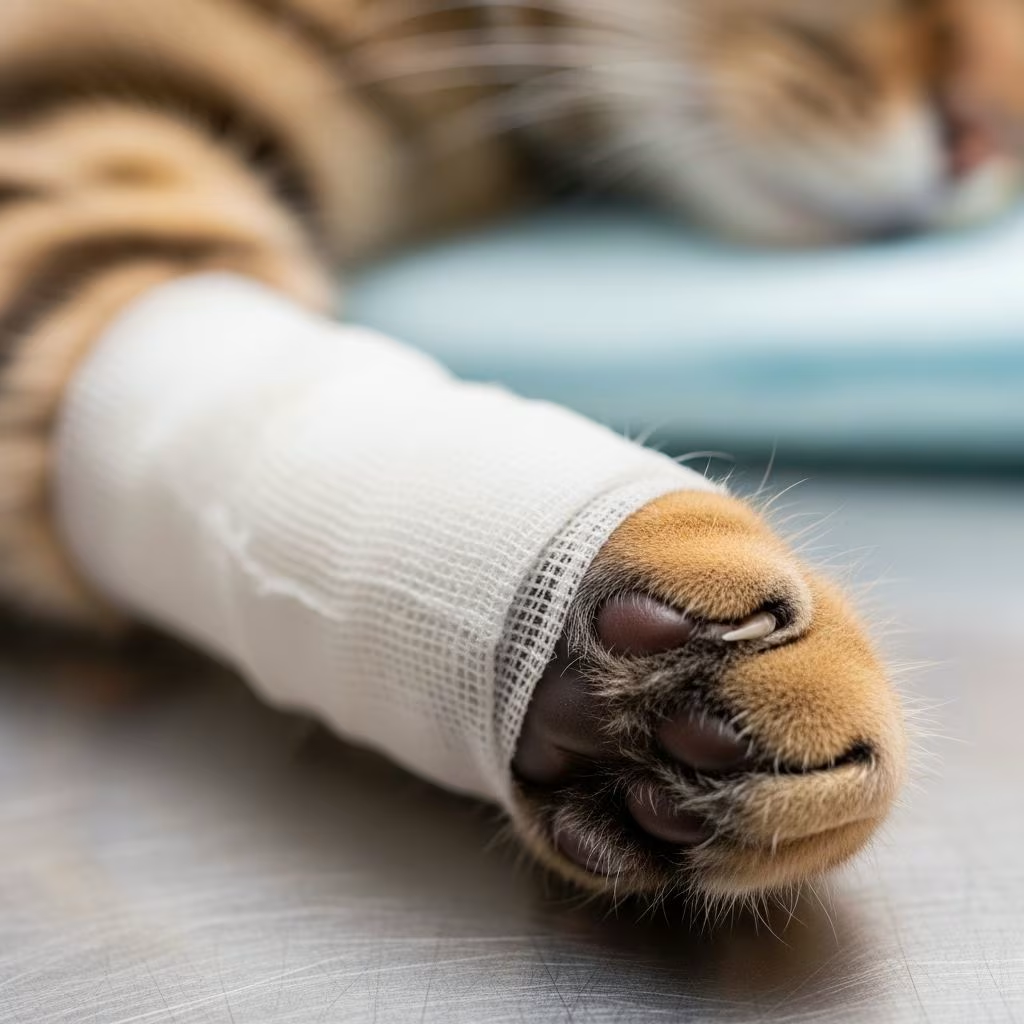
Cat paw pads are tough yet vulnerable to burns from heat, chemicals, or electricity, leading to pain, infection risks, and mobility issues. Prompt recognition and care can prevent complications and speed healing.
Understanding Causes of Paw Pad Burns in Cats
Paw pads endure daily stress, making them prone to injury from environmental hazards. Thermal burns arise from hot surfaces like summer asphalt, cooking appliances, or heating vents, where pads contact temperatures exceeding 50°C (122°F). Chemical burns stem from household cleaners, antifreeze, or battery fluids, causing rapid tissue corrosion upon contact or ingestion via licking. Electrical burns occur rarely from chewing cords, resulting in deep internal damage. Smoke from fires adds respiratory risks alongside paw injuries.
Indoor cats face curling irons or stove edges, while outdoor explorers encounter scorched sidewalks or de-icing salts. Awareness of these triggers enables proactive safeguarding.
Recognizing Burn Symptoms on Feline Paws
Early detection hinges on observing behavioral shifts and physical signs. Cats in pain may limp, favor the paw, or refuse jumps. Vocalizing, hiding, or excessive grooming signals distress.
Examine pads gently: redness without breakage indicates mild damage; blisters or oozing suggest deeper harm; charred, leathery tissue warns of severe cases. Swelling, foul odor, or lethargy escalates urgency. Cats mask pain, so subtle clues like reduced appetite merit attention.
Classifying Burn Severity for Proper Response
| Burn Degree | Skin Layers Affected | Key Symptoms | Immediate Action |
|---|---|---|---|
| First-Degree | Outer layer only | Redness, mild pain, no blisters | Home cooling, vet consult |
| Second-Degree | Outer + partial deeper layers | Blisters, intense pain, moist areas | Vet visit essential |
| Third-Degree | All layers, possibly muscle | Charred skin, numbness, shock signs | Emergency care |
This classification guides urgency: superficial issues may stabilize at home briefly, but anything beyond first-degree demands professional evaluation to avert shock or sepsis.
Immediate First Aid Steps for Burned Paws
Act swiftly but calmly to minimize harm. For thermal burns without blisters, flush the paw with cool (15-20°C) running water for 5-10 minutes to reduce heat and ease pain—avoid ice, which constricts vessels and worsens damage.
- Gently pat dry with a clean towel; do not rub.
- Prevent licking by isolating the cat in a clean space or using a cone collar temporarily.
- Avoid home remedies like butter, oils, or human creams, as they trap heat or intoxicate via grooming.
For chemical exposure, rinse thoroughly with copious water while identifying the agent for your vet. Never neutralize acids/bases yourself. Skip all topicals unless vet-approved; focus on stabilization en route to care.
When and Why to Rush to the Veterinarian
Even minor paw burns warrant a vet check due to cats’ propensity for hiding agony and infection risks from litter box bacteria. Blistered, large-area, or multi-paw burns signal emergencies.
Vets assess via physical exam, possibly imaging or cultures. Treatments include:
- IV fluids for hydration.
- Analgesics like opioids, safe for felines.
- Antibiotics for open wounds.
- Debridement under anesthesia to excise necrotic tissue.
- Bandages with medicated dressings, changed frequently.
- Hospitalization for third-degree cases with nutrition via tubes if needed.
Chemical or inhalation burns may require flushes, oxygen, or systemic detox.
Comprehensive Home Recovery Strategies
Post-vet, adhere to protocols meticulously. Clean paws daily with saline or prescribed solutions; reapply bandages loosely to allow airflow. E-collars deter chewing, vital as saliva harbors bacteria.
Support healing with:
- A soft, clean recovery zone away from litter grit.
- Frequent small meals of palatable, high-protein food.
- Monitored mobility to prevent re-injury.
- Pain checks: watch for guarding or withdrawal.
Regrowth takes 2-6 weeks; pads toughen gradually. Persistent limping or pus means re-evaluation.
Preventing Paw Burns: Proactive Measures
Forewarned averts mishaps. Indoors, secure cords, elevate hot items, and store chemicals locked. Outdoors, test pavement heat with your hand before walks; opt for booties on scalding days.
- Use pet-safe de-icers.
- Supervise near grills or fires.
- Maintain paw conditioning with trims and moisturizers.
- Install radiator guards.
Annual vet checks flag vulnerability in seniors or short-haired breeds.
Frequently Asked Questions (FAQs)
Can I treat a burned cat paw at home without a vet?
Only superficial first-degree burns briefly; anything blistered or worsening requires professional input to avoid infection or chronic pain.
How long does it take for a cat’s paw pad to heal from a burn?
Mild cases: 1-2 weeks; severe: 4-8 weeks with bandaging and care. Full function returns gradually.
Is it safe to use hydrogen peroxide on burned paws?
No— it delays healing. Stick to vet-recommended cleansers.
What if my cat won’t let me touch the burned paw?
Quarantine in a sterile area and seek sedation-assisted exam at the clinic.
Do paw booties prevent burns effectively?
Yes, for hot/cold extremes, but ensure breathable fits to avoid moisture buildup.
Long-Term Paw Health After Burns
Scarring may alter pad texture, increasing future injury odds. Routine inspections, paw balms, and trimmed nails bolster resilience. Nutritional boosts like omega-3s aid skin repair. Monitor for hypertrophic changes or neuroma formation in deep burns.
References
- Burns in Cats — VCA Animal Hospitals. 2023. https://vcahospitals.com/know-your-pet/burns-in-cats
- Burns in Cats — PetMD. 2024. https://www.petmd.com/cat/emergency/accidents-injuries/burns-cats
- Paw Pad Burns: How They Happen & What You Can Do About Them — Aspen Veterinary Services. 2023. https://www.aspenvetflagstaff.com/services/dogs/blog/paw-pad-burns-how-they-happen-what-you-can-do-about-them
- How to Heal Cat Burns — Vetericyn Animal Wellness. 2024. https://vetericyn.com/blogs/vetericyn/how-to-heal-cat-burns
- Preventing and Handling Burned Paws — Animal ER Volusia. 2023. https://animalervolusia.com/blog/preventing-and-handling-burned-paws/



