
Healing After Pet Loss
Compassionate strategies to navigate the profound grief of losing a beloved pet and rediscover joy in life.
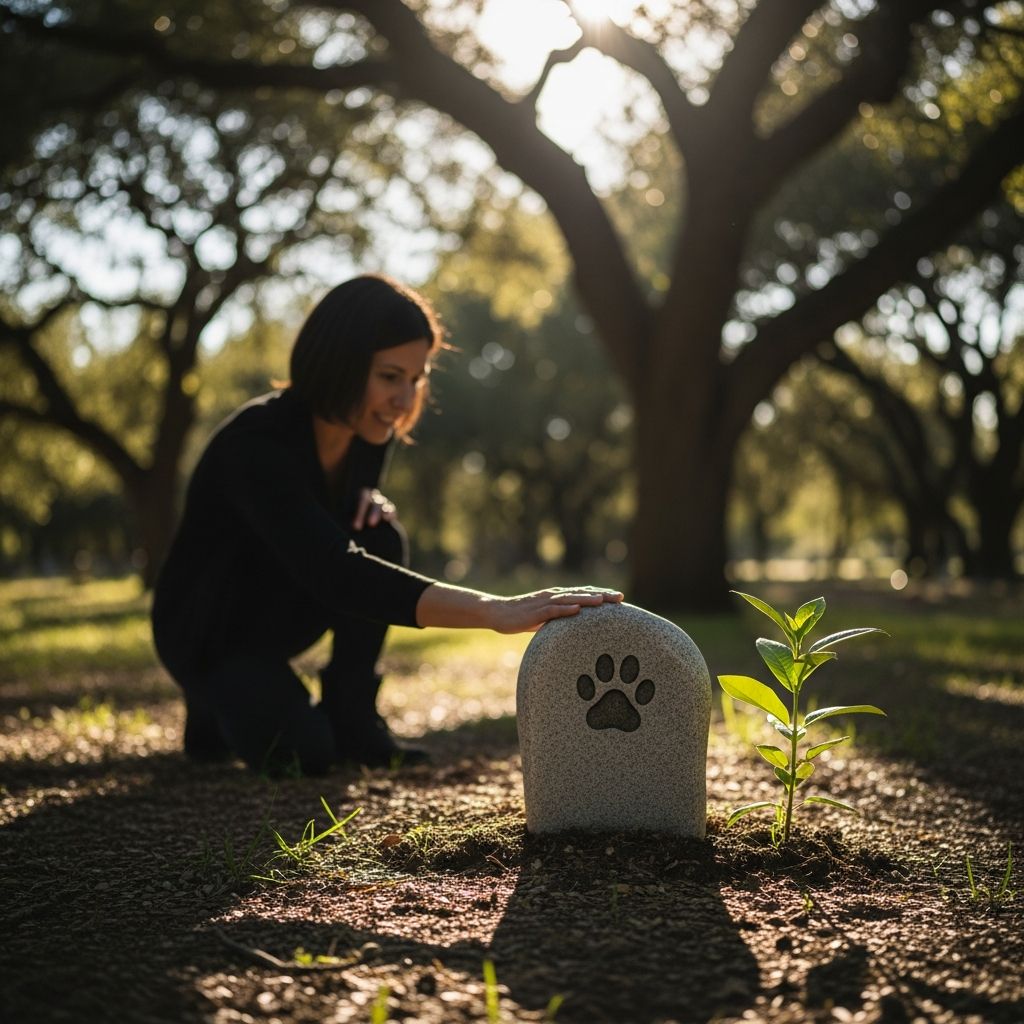
The loss of a pet creates a unique form of grief that touches the deepest parts of our emotional lives. These companions offer unconditional love and integrate into our routines, making their absence feel like a sudden void. This article delves into the psychological underpinnings of this pain, outlines typical emotional journeys, and provides actionable tools for recovery, drawing on established insights from mental health experts.
The Science of Emotional Attachments to Pets
Our bonds with pets mirror human relationships in profound ways, driven by neurochemical processes. Interactions trigger oxytocin release, fostering trust and comfort akin to parent-child connections. This hormone strengthens daily exchanges, from walks to quiet evenings, creating a reliable source of emotional stability.
Pets serve as secure bases, helping regulate stress through physical presence and affection. Their non-judgmental companionship allows authentic expression of feelings, reducing anxiety and promoting calm. When this support vanishes, the brain must adapt, leading to intense sorrow as synchronized rhythms of comfort disrupt.
Why Pet Grief Feels Uniquely Intense
Pet loss disrupts more than emotions; it reshapes identity and structure. Owners often organize life around their animal’s needs—schedules, social outings, even home layouts—making the gap feel existential. No longer defined by caregiving or neighborhood recognition tied to their pet, individuals question their sense of purpose.
Society’s minimization adds isolation. Phrases like “just get another one” invalidate the depth, breeding shame. Unlike human deaths, pet owners handle end-of-life choices alone, amplifying guilt over euthanasia or unmet needs. This combination yields a grief spectrum: bottomless sadness, anger at short lifespans, relief tinged with remorse, and physical loneliness.
Navigating the Waves of Bereavement
Grief manifests individually—linear stages for some (denial, anger, bargaining, depression, acceptance), waves or cycles for others. Initial lows deepen and prolong, easing over time, though triggers like anniversaries or similar animals revive pain. Guilt persists irrationally, questioning decisions or healing pace.
- Sadness: Overwhelming, physical ache from missing routines.
- Anger: Frustration at biology’s limits or unforeseen illnesses.
- Guilt: Second-guessing care, even when rational.
- Relief: After suffering ends, quickly shadowed by self-doubt.
- Numbness: Protective detachment from reality.
These emotions demand acknowledgment, not suppression, as denial prolongs suffering.
Self-Care Foundations for Recovery
Physical neglect exacerbates grief; prioritize basics to rebuild reserves. Regular exercise releases endorphins, countering lethargy. Nutritious meals and sleep sustain energy for emotional work. Face-to-face connections with understanding friends prevent withdrawal.
| Daily Self-Care Practice | Benefits | How to Implement |
|---|---|---|
| Exercise | Boosts mood via endorphins | 30-minute walks in pet’s favorite spots |
| Nutrition | Sustains energy | Balanced meals, hydration focus |
| Sleep Hygiene | Restores emotional balance | Consistent bedtime, no screens pre-sleep |
| Social Contact | Reduces isolation | Share stories with empathetic listeners |
Honoring Memories Through Rituals
Maintaining bonds aids healing, per continuing bonds theory—connection persists healthily post-loss. Create rituals: frame photos, plant trees, or craft memory boxes with collars and toys. Journaling captures stories, transforming pain into legacy.
Speak unsaid words—gratitude, apologies—to achieve closure. Visit meaningful sites or volunteer at shelters, channeling love forward without replacement guilt. These acts affirm the pet’s impact, easing identity shifts.
Building Support Networks
Pet loss communities validate experiences, countering judgment. Online forums and groups connect grievers, offering shared stories and empathy. Professional therapy processes complex emotions, especially euthanasia guilt or complicated grief.
- Join pet loss support groups for camaraderie.
- Consult psychologists specializing in bereavement.
- Share with family who knew your pet’s role.
Avoid unhelpful advice; seek those affirming grief’s legitimacy.
Reintegrating Purpose and Routine
As stability returns, reconstruct structure. Redirect caregiving via volunteering or fostering. New hobbies fill vacated time, fostering growth. Time heals gradually, allowing joy amid memories.
Considering another pet? Wait until ready, knowing it’s addition, not substitution. Each bond unique, honoring the past.
FAQs on Pet Loss Grief
Is pet grief as valid as losing a human?
Yes; bonds trigger identical neurochemical responses, warranting equal respect.
How long does pet loss grief last?
Varies; waves lessen over months, with triggers lifelong but milder.
Should I feel guilty for euthanasia decisions?
Guilt common and irrational; it reflects love’s depth, not failure.
When to seek professional help?
If grief impairs daily function beyond months or includes suicidal thoughts.
Can I keep my pet’s belongings?
Absolutely; they sustain bonds beneficially.
Long-Term Emotional Resilience
Healing fosters growth: deeper self-compassion, refined relationships, purpose clarity. Embrace grief as love’s evidence. With time, pain softens, memories warm. Prioritize patience; recovery nonlinear but assured.
References
- The Stages of Grief & the Psychology of Losing a Pet — Liminal Therapy. 2023. https://liminaltherapy.co.uk/grief-and-the-psychology-of-losing-a-pet/
- Navigating the Impact on Mental Health after the Loss of a Pet — Rare Breed Vet. 2024. https://rarebreedvet.com/team/navigating-the-impact-on-mental-health-after-the-loss-of-a-pet/
- Coping with Losing a Pet — HelpGuide.org. 2025-03-15. https://www.helpguide.org/mental-health/grief/coping-with-losing-a-pet
- Understanding and Coping with the Loss of a Pet — Find a Psychologist. 2024. https://www.findapsychologist.org/understanding-and-coping-with-the-loss-of-a-pet-by-dr-sarah-shelton/
- Practical Psychological Strategies For Coping With Pet Loss — Dr. Scott Eilers. 2023-10-01. https://www.drscotteilers.com/post/practical-psychological-strategies-for-coping-with-pet-loss
- The Neuroscience of Grief and Attachment — Pet Hospice Vet. 2024. https://www.pethospicevet.com/the-neuroscience-of-grief-and-attachment-why-losing-a-pet-can-feel-like-losing-a-child/
- Coping with the loss of a pet — Harvard Health Publishing. 2017-06-22. https://www.health.harvard.edu/blog/11876-2017062211876
Similar Articles








Read full bio of Sneha Tete


