

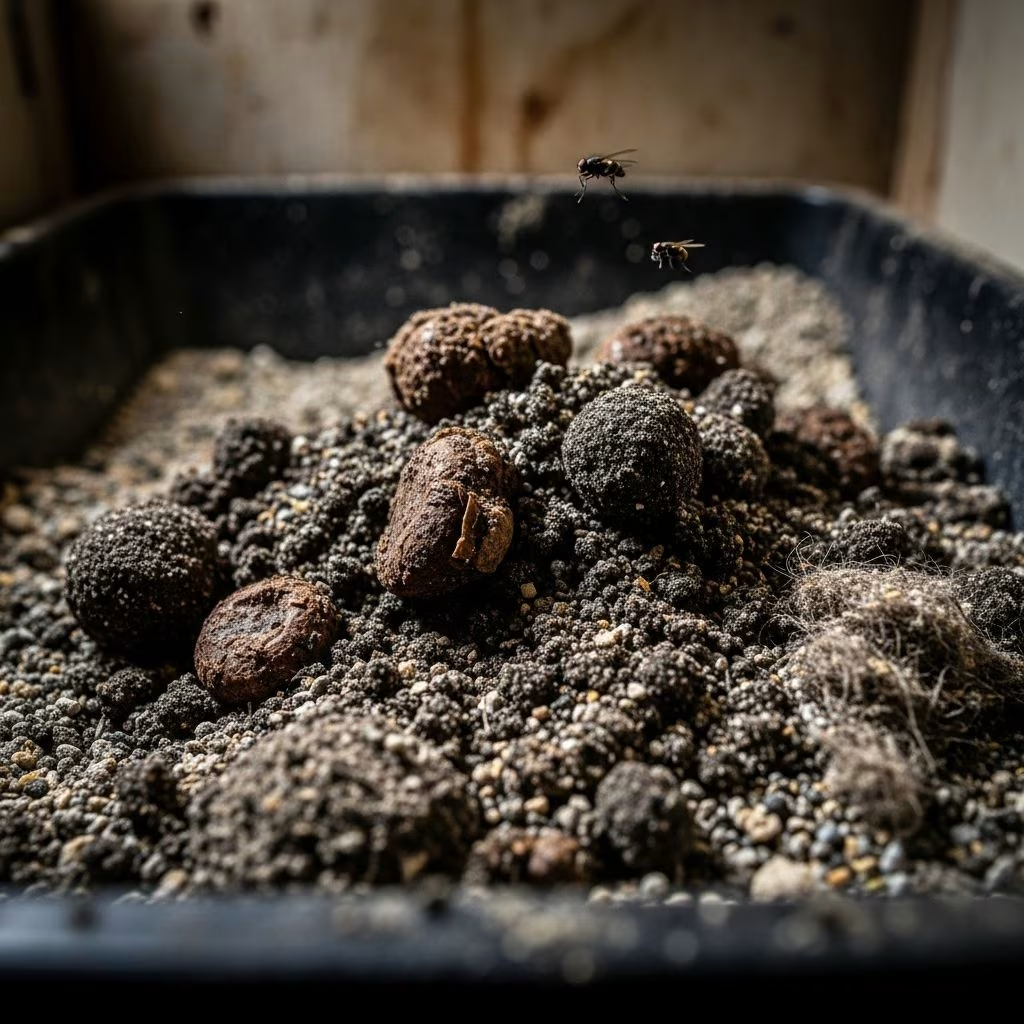
Keeping a cat’s litter box clean is more than a chore—it’s a critical step in protecting both your pet’s well-being and your household’s health. Accumulated waste fosters harmful bacteria, parasites, and gases that can lead to severe illnesses. Regular maintenance prevents these threats, ensuring a harmonious living environment.
Urinary Tract Vulnerabilities in Cats
Cats relying on soiled litter boxes face heightened risks of urinary tract infections (UTIs), bladder inflammation, and kidney complications. Bacteria from feces and urine climb the urethra during elimination, triggering infections that may go unnoticed until advanced stages. Symptoms like frequent urination attempts or blood in urine often signal trouble, but early intervention through hygiene curbs these issues.
Stress from an unclean box exacerbates feline idiopathic cystitis (FIC), a condition involving nervous system imbalances. Cats with FIC experience amplified stress responses, potentially leading to urethral obstructions where crystals or plugs block urine flow. This buildup causes toxin accumulation, risking kidney failure or cardiac strain. Cleanliness forms a cornerstone of multimodal environmental modification (MEMO), a veterinary-recommended approach to manage FIC.
Respiratory and Allergic Perils
Ammonia gas, produced as bacteria break down urea in urine, permeates dirty litter boxes. This irritant mimics overpowering odors for humans but hits cats harder, provoking asthma flares, allergic reactions, and pneumonia. Fine dust from clay litters, combined with dander and mold in humid conditions, airborne during digging, worsens coughing, wheezing, and shortness of breath in sensitive felines.
- Dust particles: Released into air, triggering respiratory distress.
- Ammonia buildup: Causes eye irritation, skin issues, and gastrointestinal upset.
- Mold growth: Thrives in moist, unclean litter, amplifying allergies.
Owners aren’t immune; inhaled particles provoke similar symptoms, especially in those with asthma or compromised lungs.
Parasitic Threats Lurking in Waste
Toxoplasma gondii, the culprit behind toxoplasmosis, sheds in cat feces and survives in litter for days. Ingesting oocysts via contaminated hands or surfaces infects humans, posing severe risks to pregnant women—potentially harming fetal development—and immunocompromised individuals. Even diligent owners face exposure, underscoring handwashing’s importance.
Intestinal parasites like roundworms and hookworms release eggs or larvae into feces. Cats show minimal signs until heavy infestations, fatal in kittens. Humans contract roundworms by ingesting contaminated matter, while hookworms penetrate skin. Routine deworming and hygiene mitigate these zoonoses.
| Parasite | Transmission | Risks to Cats | Risks to Humans |
|---|---|---|---|
| Toxoplasma gondii | Fecal oocysts | Often asymptomatic | Pregnancy complications, immune suppression |
| Roundworm | Ingested eggs | Intestinal blockage | Visceral larva migrans |
| Hookworm | Skin penetration | Blood loss, anemia | Cutaneous larva migrans |
Human Health Implications
Beyond parasites, bacterial pathogens like Salmonella breed in waste, causing salmonellosis with fever, diarrhea, and vomiting. Cat scratch disease, from Bartonella bacteria under claws soiled by litter, leads to swollen lymph nodes and flu-like symptoms. Ammonia overexposure induces headaches, respiratory woes, and eye irritation, particularly endangering children and the elderly.
Recent studies link Toxoplasma to cognitive declines, muscle wasting, and fatigue in aging humans, suggesting long-term neurological impacts from chronic exposure. Immunosuppressed individuals face amplified dangers, making litter hygiene a family-wide priority.
Signs Your Cat Avoids the Litter Box
Aversion to dirty boxes manifests as house soiling, straining, or vocalizing during elimination. Up to 10% of cats develop such issues, sometimes tied to underlying diseases like diabetes or hyperthyroidism increasing urination frequency. Stress-induced elimination outside the box signals distress; address by enhancing cleanliness and box appeal.
Proven Cleaning Protocols
Scoop waste daily, fully replace litter weekly, and wash the box with mild soap—avoid harsh chemicals irritating paws. Multiple cats demand one box per cat plus one extra, placed in quiet, accessible spots. Gloves and ventilation during cleaning minimize owner risks.
- Scoop solids immediately after use.
- Stir litter to distribute urine absorbers.
- Deep clean weekly with enzyme cleaners targeting odors.
- Monitor for clumping indicating health shifts.
Choosing Healthier Litter Varieties
Switch from dusty clay to low-dust alternatives reducing airborne irritants. Silica gels absorb efficiently with minimal dust, ideal for allergy sufferers, though ingestion risks persist. Paper-based or recycled options offer dust-free, biodegradable benefits.
- Clumping clay: Effective absorption but dusty.
- Silica crystal: Low dust, high odor control.
- Plant-based: Eco-friendly, hypoallergenic.
Test small amounts to gauge cat acceptance and health responses.
FAQs on Litter Box Management
How often should I clean the litter box?
Daily scooping for singles; twice daily for multiples. Weekly full changes prevent buildup.
Can a dirty box cause kidney failure?
Yes, via infections and obstructions stemming from bacterial ascension and stress.
Is toxoplasmosis risk high for all owners?
Highest for pregnant or immunocompromised; daily cleaning slashes odds significantly.
What if my cat stops using the box?
Check cleanliness first, then vet for medical causes like UTIs or diabetes.
Are automatic boxes safer?
They reduce manual handling but require oversight for mechanical issues and waste capacity.
Long-Term Wellness Strategies
Integrate litter hygiene into routines alongside vet checkups, balanced diets, and parasite preventives. Monitor urine output and stool consistency for early warnings. Educate multi-pet households on shared risks, fostering a vigilant approach to coexistence.
Investing time in maintenance yields healthier cats, fewer vet bills, and safer homes. Proactive owners sidestep the cascade of infections, allergies, and zoonotics tied to neglect.
References
- The Dangers of a Dirty Litter Box — Catalyst Pet. 2023. https://catalystpet.com/blogs/litter-related-post/the-dangers-of-a-dirty-litter-box
- The Hidden Dangers of Litter Boxes and Safer Alternatives — Ruff Start Rescue. 2025-02-13. https://ruffstartrescue.org/2025/02/13/hidden-dangers-of-litter-boxes/
- A Dirty Litter Box Is Bad News for Your Cat and You — Diamond Pet. 2023. https://www.diamondpet.com/blog/health/urinary/a-dirty-litter-box-is-bad-news-for-your-cat-and-you/
- Cat Health Issues From a Dirty Litter Box – Dr. Justine Lee — YouTube (Litter-Robot). 2019-08-08. https://www.youtube.com/watch?v=0U1Qw03tdz4
- 5 Risks of Keeping a Dirty Litter Box — Modkat. 2023. https://modkat.com/blogs/modkat-purrr/5-risks-of-a-keeping-a-dirty-litter-box
- How a dirty litter box could slow you down as you age — University of Colorado Boulder. 2023-11-06. https://www.colorado.edu/today/2023/11/06/how-dirty-litter-box-could-slow-you-down-you-age



