

Hay Nets for Horses: A Comprehensive Guide
Hay nets have become an increasingly popular feeding solution for horse owners looking to improve their animals’ health and manage feeding efficiency. These simple yet effective tools offer numerous advantages for both horses and their caretakers. Whether you’re a seasoned equestrian or new to horse ownership, understanding the benefits and proper use of hay nets can significantly enhance your horse’s overall well-being and reduce your feed costs.
What Are Hay Nets?
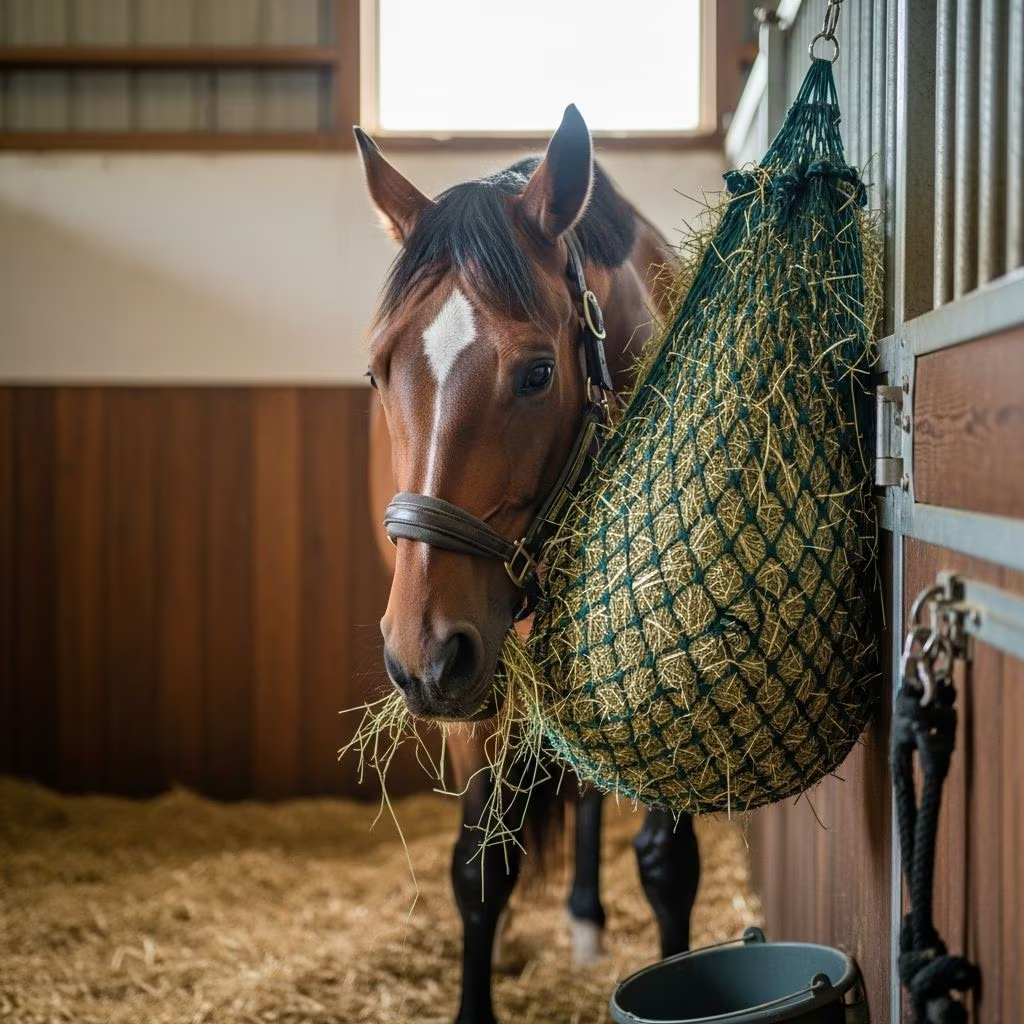
Hay nets are mesh containers designed to hold hay while allowing horses to eat from them at a controlled pace. Available in various sizes and mesh openings, these nets can be hung at different heights and locations depending on your specific needs. The primary function of a hay net is to slow down hay consumption, mimicking the natural grazing behavior horses would exhibit in pasture environments. By controlling the rate at which horses eat, hay nets create a more natural feeding pattern that aligns with equine digestive physiology.
Key Benefits of Using Hay Nets
Improved Digestive Health
One of the most significant advantages of hay nets is their positive impact on digestive health. Horses are naturally designed to graze continuously throughout the day, spending 12 to 18 hours eating small amounts of forage. Hay nets allow horses to extend their eating time, promoting consistent digestion and reducing the risk of serious gastrointestinal issues. By maintaining constant access to forage through hay nets, horses have a continuous buffer against stomach acid, which significantly reduces the risk of ulcer development. The slower consumption rate also helps prevent colic and other digestive disturbances that can occur when horses eat too quickly from ground-level hay sources.
Weight Management and Metabolic Health
For horses that need to maintain or lose weight, hay nets with smaller mesh openings are an excellent tool. These nets force horses to work harder to extract hay, slowing their consumption and allowing owners to provide limited amounts while still giving horses the constant access to forage they need. Research has shown that hay nets give owners significantly better control over managing a horse’s body weight and body condition scores. By maintaining appropriate body condition through hay nets, owners can also reduce the risk of insulin resistance, laminitis, and equine metabolic syndrome in their horses.
Reduced Hay Waste
Hay waste is a significant concern for horse owners, particularly given the rising costs of quality hay. When hay is placed directly on the ground, horses can walk on it, urinate on it, or pick through it selectively, making much of it unpalatable and unusable. Studies have demonstrated that hay nets can reduce waste by up to 46%, helping horse owners save considerable money over time. This reduction in waste not only benefits your budget but also means your hay supply lasts longer, providing better value for your investment.
Mental Stimulation and Behavioral Health
Horses are intelligent animals that require mental stimulation to maintain psychological well-being. Hay nets provide enrichment by encouraging natural feeding behaviors and giving horses a task to focus on. This engagement helps prevent boredom-related stress behaviors such as cribbing, weaving, and wood chewing. The cognitive and physical activity required to extract hay from nets can significantly reduce anxiety and stress-related behaviors in stalled horses, contributing to overall mental health and contentment.
Dental Health Considerations
A common concern among horse owners is whether hay nets damage horses’ teeth. However, research has provided reassuring evidence on this topic. A year-long study found that feeding horses with hay nets did not impact incisor length or cause bevels on the incisors, with horses showing the same number of dental abnormalities regardless of whether they ate from hay nets or traditional ground feeding. This finding has helped alleviate concerns about the safety of hay nets for long-term use.
Sand and Respiratory Health
In areas where sand colic is a concern, hay nets provide an important protective benefit by keeping hay elevated off sandy or dusty ground. This reduces the amount of sand and dust horses inhale while eating, thereby decreasing the risk of colic and respiratory issues. The elevated feeding position also helps minimize dust inhalation, which is particularly beneficial for horses with respiratory sensitivities.
Hay Net Sizes and Mesh Opening Options
Selecting the appropriate hay net size and mesh opening is crucial for optimizing the benefits while meeting your individual horse’s needs. The following guide will help you make the right choice:
| Hay Net Type | Opening Size | Best For | Benefits |
|---|---|---|---|
| Small Opening Nets | Less than 1 inch | Fast eaters, weight management, limited hay | Maximum slowdown effect, best waste reduction |
| Medium Opening Nets | 1-2 inches | Average eaters, moderate hay consumption | Balanced pace and accessibility |
| Large Opening Nets | 3-4 inches | Easy keepers, abundant hay availability | Minimal slowdown, easier access for all horses |
Choosing the Right Size
When selecting a hay net, consider your horse’s specific needs. Horses requiring weight control should use nets with smaller openings that necessitate more effort to extract hay. Conversely, if your horse needs easy access to plenty of hay without significant restriction, larger opening nets are more appropriate. The flexibility of hay net options allows you to customize the feeding experience to match your horse’s individual requirements.
Proper Installation and Safety Guidelines
Installation Height
Correct installation height is essential for your horse’s comfort and safety. Hay nets should be installed so that they are at approximately wither height or slightly below, which closely mimics the natural grazing position. Improper height can create strain on the musculoskeletal system and cause discomfort during feeding. When installed at the correct height, horses maintain a more natural posture that reduces stress on their neck, shoulders, and back.
Secure Installation
Ensure that hay nets are securely fastened to prevent them from falling or becoming a safety hazard. Use sturdy ties or carabiners that cannot come undone accidentally. The net should be positioned where horses cannot become tangled or trapped, and check regularly that the installation remains secure and that the net hasn’t shifted position.
Safety Considerations
Always ensure hay nets are properly installed at the appropriate height with secure fastening. Regular inspections should be conducted to check for wear, tears, or damage that could create hazards. Remove any debris or foreign objects from the area around the hay net. Additionally, ensure your horse is trained to use the hay net safely and comfortably before relying on it as a primary feeding method.
Using Multiple Hay Nets
For horses in pastures or dry lots, using multiple hay nets can provide additional benefits. Placing several hay nets at different locations encourages horses to move around their space more frequently, increasing exercise and physical activity. This strategy also reduces competition between horses during feeding time, promoting a more peaceful feeding environment. Resource stations created with multiple nets can be particularly beneficial for herds, as they distribute feeding stations throughout the area and encourage more natural movement patterns.
Hay Nets for Different Situations
Stalled Horses
For horses spending time in stalls, hay nets provide crucial enrichment and mental stimulation. A single hay net hung at appropriate height allows stalled horses to occupy their time with natural feeding behavior, reducing boredom and associated stress behaviors. This is particularly important for horses with limited turnout time.
Pasture Use
Even in pastures with ample grass, hay nets can provide dietary variety and help prevent overgrazing of desirable vegetation. For horses that cannot have abundant grass access, hay nets in dry lots or on tracks provide the necessary forage for digestive and behavioral health. Strategic placement of hay nets throughout a pasture encourages movement and distributes grazing pressure evenly.
Traveling and Temporary Situations
Hay nets are portable and convenient for use during travel or in temporary housing situations. They provide a consistent feeding method regardless of location and help maintain digestive health during transitions between facilities.
Training Your Horse to Use Hay Nets
If your horse is unaccustomed to hay nets, gradual introduction is important for success. Start by placing hay both in and around the net so your horse learns to extract hay from the smaller openings. You can gradually shift more of the hay into the net as your horse becomes more proficient. Most horses quickly adapt to using hay nets and often seem to prefer the activity they provide compared to eating hay from the ground.
Frequently Asked Questions About Hay Nets
Q: Will hay nets hurt my horse’s teeth?
A: No. Research studies have demonstrated that hay nets do not negatively impact dental health or cause tooth damage when used properly. Horses eating from hay nets show the same rate of dental abnormalities as those eating hay from the ground.
Q: Can I use hay nets for all types of hay?
A: Yes, hay nets work well with most types of hay including Timothy, orchard grass, alfalfa hay, and mixed forage. The type of hay doesn’t significantly affect hay net functionality, though larger-stemmed hays may require larger mesh openings.
Q: How often should I inspect my hay net?
A: Inspect hay nets regularly for signs of wear, tears, or damage. Check the installation security at least weekly and before each feeding. Replace nets that show significant wear to prevent safety hazards.
Q: Are hay nets suitable for all horses?
A: Hay nets are suitable for most horses, but they should be sized and positioned appropriately for each individual. Horses with joint problems may need specific net positioning, while young foals or senior horses may need larger openings for easier access.
Q: What’s the difference between hay nets and hay bags?
A: Hay nets have mesh openings that slow consumption, while hay bags are typically closed containers with openings at the top. Both serve similar purposes but nets generally provide more effective slowing of feed intake.
Q: How much money can I save using hay nets?
A: By reducing hay waste by 20-46%, hay nets can provide significant savings depending on hay costs in your region and the amount of hay you purchase annually. The investment in quality hay nets typically pays for itself within a season.
Conclusion
Hay nets represent an excellent investment in your horse’s health and welfare. By slowing consumption, reducing waste, preventing digestive issues, and providing mental enrichment, hay nets offer comprehensive benefits that improve both horse well-being and owner convenience. Whether managing weight, preventing behavioral problems, or simply extending hay supplies, hay nets provide a practical, safe, and effective feeding solution. Proper selection, installation, and use of hay nets tailored to your individual horse’s needs ensures maximum benefits and contributes to a happier, healthier equine companion.
References
- Hay Nets for Horses: Pros, Cons & Safety Tips — Tribute Equine Nutrition. 2024. https://tributeequinenutrition.com/blogs/news/hay-nets-are-they-good-or-bad
- Benefits of Slow Hay Feeders — Texas Hay Net. https://texashaynet.com/pages/why-hay-net
- Hay Nets for Horses: The Complete Guide — Enriching Equines. https://enrichingequines.com/what-you-need-to-know-about-hay-nets/
- To Net or Not to Net: The Hay Net Dilemma — Stable Select. https://stableselect.com/articles/hay-nets
- Pros and Cons of Using Haynets: New Information — Kentucky Equine Research. https://ker.com/equinews/pros-and-cons-of-using-hay-nets-new-information/
- 10 Things to Remember When Using Hay Nets — GutzBusta. https://gutzbusta.co.uk/blogs/gutzbusta-hay-nets-blog/slow-feeders-for-horses-10-things-to-remember-when-using-hay-nets



