

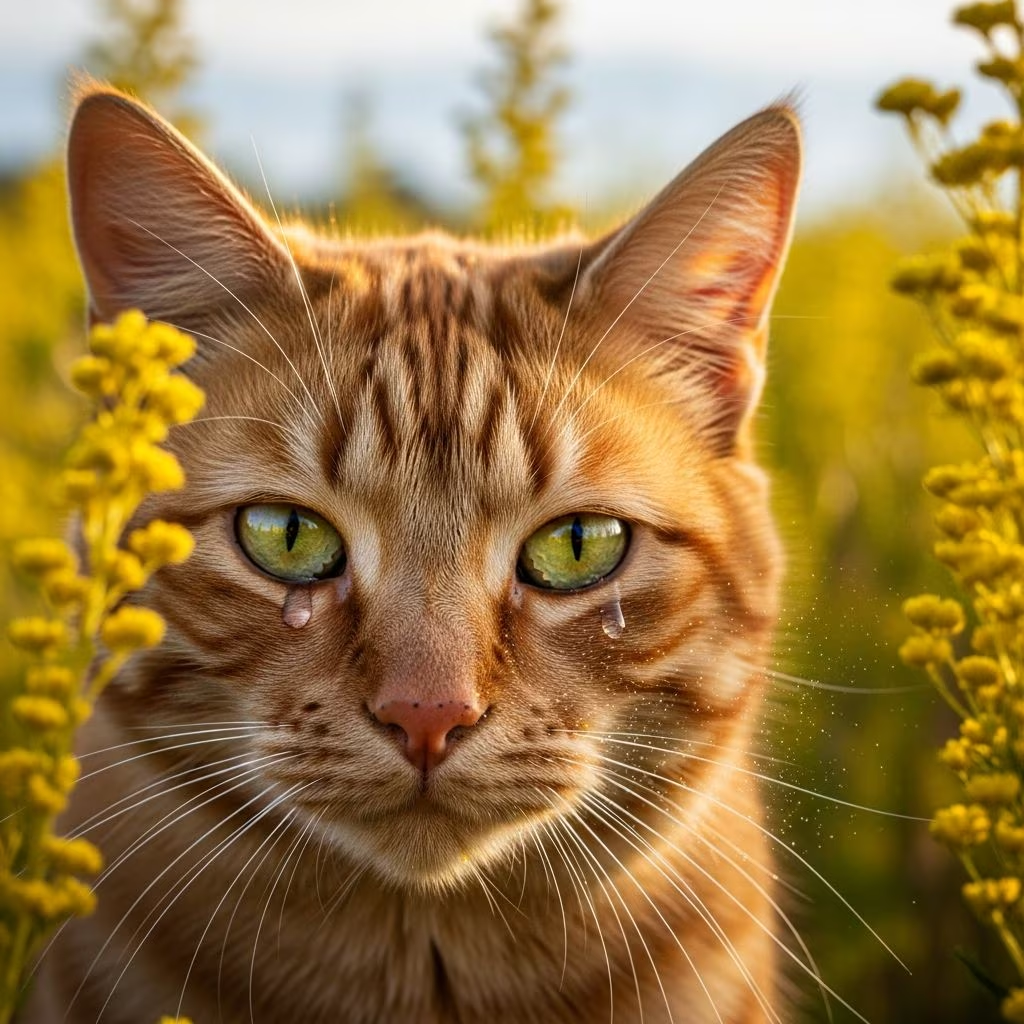
Hay fever, or allergic rhinitis triggered by pollen, affects cats much like it does humans, leading to discomfort from seasonal irritants. Cats exposed to pollen from grasses, trees, and weeds often display respiratory and skin reactions that require prompt attention to prevent escalation.
Understanding Feline Allergic Reactions to Pollen
Cats develop hay fever when their immune systems overreact to airborne pollen particles, mistaking them for threats. This response releases histamines, causing inflammation in the respiratory tract and skin. Unlike dogs, cats tend to show subtler signs initially, focusing more on grooming behaviors that worsen over time. Seasonal pollen peaks in spring and summer amplify these reactions, though indoor allergens like dust mites can mimic symptoms year-round.
Environmental factors play a key role; cats roaming outdoors or living near parks face higher exposure. Indoor-only cats aren’t immune, as pollen tracks in on shoes or fur. Genetic predisposition influences susceptibility, with some breeds more prone due to thinner skin barriers.
Recognizing Key Indicators in Your Cat
Early detection hinges on observing behavioral changes. Common signs include:
- Persistent sneezing and nasal discharge, often clear or watery
- Watery, red eyes with frequent blinking or pawing
- Excessive scratching around the neck, ears, and base of tail
- Overgrooming leading to bald spots or thin fur
- Paw licking or chewing, sometimes causing redness
Skin manifestations escalate to sores, crusts, or eosinophilic plaques—raised, ulcerated areas from intense itching. Respiratory issues like coughing, wheezing, or snoring signal airway involvement, demanding immediate vet evaluation. Gastrointestinal upset, such as vomiting hairballs more frequently, ties into stress from constant discomfort.
Differentiate hay fever from infections; viral upper respiratory issues cause thicker discharge and fever, while allergies persist without systemic illness. Monitor for secondary infections like ear mites or bacterial dermatitis from self-trauma.
Common Triggers Beyond Seasonal Pollen
While pollen dominates spring complaints, perennial allergens contribute:
| Allergen Type | Sources | Impact on Cats |
|---|---|---|
| Pollen | Grasses, trees, weeds | Seasonal sneezing, skin flare-ups |
| Dust Mites | Bedding, carpets | Year-round itching, respiratory irritation |
| Mold Spores | Damp areas, basements | Coughing, chronic rhinitis |
| Household Irritants | Cleaning products, perfumes | Sudden onset scratching, eye watering |
| Food Sensitivities | Proteins in kibble | Combined GI and skin symptoms |
These triggers often overlap, complicating diagnosis without testing.
Diagnostic Approaches for Accurate Identification
Veterinarians start with a thorough history, noting symptom timing and environment. Physical exams check for skin lesions, ear debris, and lymph node swelling. Key tests include:
- Intradermal skin testing for specific allergens
- Blood IgE panels measuring antibody levels
- Cytology swabs from skin or ears to rule out infections
- Elimination diets for food allergy exclusion
Imaging like radiographs assesses lung involvement if wheezing persists. Early diagnosis prevents chronic changes like scarred skin or perpetual overgrooming.
Effective Management Strategies at Home
Minimize exposure proactively:
- Wipe paws and coat post-outdoor time with damp cloths
- Vacuum frequently using HEPA filters to trap pollen
- Wash bedding weekly in hot water to kill dust mites
- Keep windows closed during high pollen days; use air purifiers
- Bathe gently with hypoallergenic shampoos to remove allergens
Supplements like omega-3 fatty acids strengthen skin barriers, reducing itch intensity. Track local pollen forecasts via apps to plan indoor days.
Veterinary Treatments for Relief
No cure exists, but symptom control excels:
- Corticosteroids (e.g., prednisolone): Rapidly reduce inflammation via oral, topical, or injectable forms.
- Antihistamines: Daily use prevents reactions, though less potent in cats.
- Immunotherapy: Custom vaccines desensitize over months, offering long-term remission.
- Topicals: Eye drops, nasal sprays, medicated creams soothe localized issues.
- Immunomodulators: Drugs like cyclosporine or oclacitinib for steroid-sparing control.
For secondary infections, antibiotics or antifungals clear complications. Hospitalization aids severe breathing distress with oxygen.
Long-Term Prevention and Monitoring
Year-round flea control prevents misdiagnosis, as bites mimic allergies. Annual allergy testing updates immunotherapy. Diet trials identify food triggers, switching to hydrolyzed proteins. Lifestyle adjustments like indoor living reduce exposure for mild cases.
Monitor weight and coat quality; allergies sap appetite and vitality. Regular vet check-ups track progress, adjusting protocols seasonally.
Potential Complications if Untreated
Chronic itching leads to pyoderma, abscesses, or eosinophilic granulomas. Respiratory strain risks pneumonia. Behavioral shifts like aggression or hiding indicate pain, straining owner-pet bonds. Early intervention averts these, preserving quality of life.
Frequently Asked Questions
Can indoor cats get hay fever?
Yes, pollen enters homes on clothing or fur, triggering reactions even in sheltered cats.
Is hay fever fatal in cats?
Rarely, but untreated severe cases cause breathing emergencies requiring urgent care.
How long do symptoms last?
Seasonal flares align with pollen counts, lasting weeks to months without treatment.
Are there natural remedies?
Omega oils and probiotics aid mildly, but vet meds outperform for control.
Does breed matter?
No specific breeds dominate, but Siamese and related types show higher allergy rates.
Partnering with Your Vet for Best Outcomes
Collaborate closely; report new signs promptly. Personalized plans combining meds, environment tweaks, and desensitization yield happiest cats. With diligence, most thrive itch-free.
References
- Hay fever in pets | Kleenex® — Kleenex. 2023. https://www.kleenex.co.uk/advice/pollen/hay-fever-in-pets
- Sneezing cats: Hay fever or something else? – 608 Vet Practice — 608 Vets. 2024-01-15. https://www.608vets.com/pet-help-advice/cats/171-sneezing-cats-hay-fever-or-something-else
- Cat Allergies: Types and Symptoms – PetMD — PetMD (veterinary site). 2025-03-10. https://www.petmd.com/cat/conditions/systemic/allergies-cats
- Allergies in Cats | VCA Animal Hospitals — VCA Hospitals (veterinary chain). 2024-11-20. https://vcahospitals.com/know-your-pet/allergies-in-cats
- Recognizing and Treating Pollen Allergies in Cats | VetDERM Clinic — VetDERM Clinic (specialty veterinary). 2024-05-05. https://www.vetdermclinic.com/recognizing-treating-pollen-allergies-cats/



