

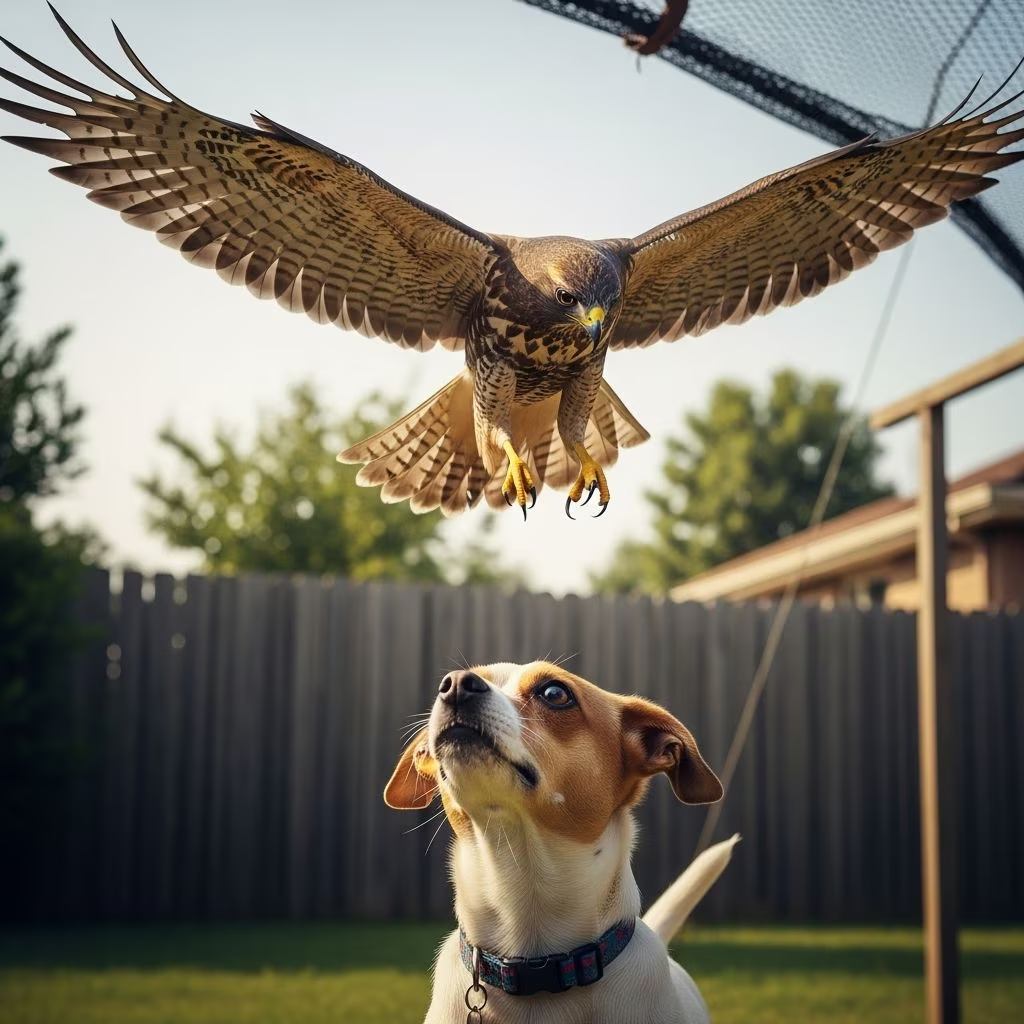
Predatory birds like hawks can target small dogs, especially in open areas during daylight hours when these raptors hunt by sight. While attacks are uncommon for larger breeds, puppies and toy-sized dogs under 20 pounds face higher vulnerability due to their size matching typical prey.
Understanding Raptor Behavior and Threats to Pets
Hawks, such as red-tailed varieties, possess incredible speed, diving at up to 120 miles per hour to capture prey. They rely on keen vision to spot small animals from afar, making unsupervised dogs in yards or fields potential targets. These birds are active only during daylight, reducing risks at night.
Factors drawing hawks to residential areas include abundant prey like rodents or birds attracted by feeders. A hawk pursuing a squirrel might redirect to a nearby small dog if it appears isolated and vulnerable. Overgrown trees provide perches, allowing raptors to observe without detection.
- Hunting patterns: Daylight-only activity, preference for open spaces for diving.
- Prey selection: Animals under 5 pounds most at risk, but dogs up to 20 pounds reported in incidents.
- Location influence: Suburban yards with bird feeders or tall trees increase encounters.
Which Dogs Are Most at Risk?
Small breeds like Chihuahuas, Yorkies, Pomeranians, and Malteses mirror the size of natural hawk prey such as rabbits or squirrels. Puppies of any breed are particularly susceptible during growth phases when they weigh less than 10 pounds. Larger dogs over 25 pounds are rarely targeted due to their size and strength.
| Breed Size | Risk Level | Examples |
|---|---|---|
| Toy (under 10 lbs) | High | Chihuahua, Toy Poodle |
| Small (10-20 lbs) | Medium | Jack Russell, French Bulldog |
| Medium/Large (over 20 lbs) | Low | Labrador, German Shepherd |
Owners of small or young dogs should prioritize vigilance in hawk-prone regions like rural or wooded suburbs.
Legal Considerations: Hawks Are Protected
Hawks fall under the Migratory Bird Treaty Act of 1918, a federal law prohibiting harm to these birds without permits. Violations, such as killing a red-tailed hawk, can result in up to six months imprisonment and $15,000 fines. Focus on deterrence rather than confrontation during encounters.
Everyday Prevention Strategies for Your Yard
Creating a hawk-resistant environment starts with simple changes. Supervision is paramount: never leave small dogs alone outside, as human presence deters attacks. Hawks avoid areas with people nearby.
Modify your yard to reduce appeal:
- Remove attractants: Eliminate bird feeders, as they draw smaller prey that lure hawks. Feed dogs indoors and clean grills promptly to avoid scent trails.
- Landscape wisely: Trim trees and bushes to eliminate perches and hiding spots. Opt for low-growing plants in play areas.
- Use visual deterrents: Hang reflective items like old CDs on strings or commercial scare tape. Flashing lights confuse raptors’ vision.
For dedicated outdoor time, construct a secure enclosure using wire mesh roofing, often called a dog patio. This allows fresh air without exposure.
Safe Walking and Exercise Practices
When venturing out, leash your dog tightly in hawk territories. Avoid open fields; stick to wooded paths or tree-lined trails where diving is harder. Steer clear of birdwatching hotspots known for raptor activity.
Group walks amplify safety—join local dog groups where multiple people and pets discourage predators. Ultrasonic repellents emit high-frequency sounds inaudible to humans but irritating to birds, ideal for portable use.
Specialized Protective Gear for High-Risk Dogs
Commercial vests offer robust defense. Products like the HawkVest use puncture-resistant ballistic fabric reinforced with Kevlar, deterring talon penetration. Add-ons such as CoyoteWhiskers—flexible spikes—create a visual barrier, making dogs appear unapproachable.
Similarly, Raptor Shield employs tough materials tested by naturalists to prevent talon punctures, allowing dogs time to escape. These vests also guard against coyotes and owls.
The Hawk Star Vest leverages bird vision science with iridescent patterns that disrupt targeting during the day, plus a night light for owls. Reflective surfaces boost visibility to traffic too.
- HawkVest: Ballistic fabric, whisker attachments for deterrence.
- Raptor Shield: Talon-proof, multi-predator protection.
- Hawk Star: Vision-disrupting colors and lights.
Size vests properly for unrestricted movement, introducing gradually to avoid stress.
Responding to a Hawk Sighting or Attack
If a hawk circles, bring your dog inside immediately. During an attack, yell, wave arms, and throw objects to startle the bird—do not approach physically due to speed and talons. A vest can prevent carry-off, buying escape time.
Post-incident, check for injuries and consult a vet. Document for local wildlife reports if needed, but avoid retaliation.
Long-Term Habitat Management
Install full-yard netting over play zones for constant protection. Motion-activated sprinklers or ultrasonic stakes provide automated deterrence. Combine methods for layered security: supervision plus gear plus yard mods.
Monitor local raptor populations via community apps or wildlife services to anticipate seasonal increases, like migrations.
FAQs
Can a hawk carry off a 20-pound dog?
Unlikely; most raptors max out at 5 pounds, but larger ones like eagles might attempt. Vests prevent latching.
Are owl attacks a concern too?
Yes, nocturnal owls target similar sizes. Use lighted vests at night.
Do hawk vests work against other predators?
Many, like coyotes, due to tough materials offering escape time.
How effective is scare tape?
Moderately; reflective flashes deter temporarily, best combined with other measures.
Is it legal to relocate a hawk nest?
No, requires permits under federal law.
Building a Comprehensive Safety Plan
Assess your dog’s size, yard setup, and local wildlife. Start with no-cost steps like supervision and feeder removal, add deterrents, then invest in enclosures or vests for full coverage. Regular training ensures dogs respond to recall commands swiftly.
By understanding raptor habits and implementing these layered defenses, small dog owners can enjoy worry-free outdoor time. Stay proactive—prevention trumps reaction.
References
- How to Protect Your Small Dog from Hawks — WagWalking. 2023. https://wagwalking.com/wellness/how-to-protect-your-small-dog-from-hawks
- Protecting Your Dog from Hawks and Other Birds of Prey — Critter-Sitters. 2023. https://critter-sitters.com/protecting-your-dog-from-hawks-and-other-birds-of-prey/
- HawkVest – CoyoteVest — CoyoteVest. 2023. https://www.coyotevest.com/products/hawkvest
- FAQs – Raptor Shield — RaptorShield. 2023. https://www.raptorshield.com/faqs
- Pet Protection Vest, Dog, Birds – Pawsitive Innovations — TheHawkStar. 2023. https://thehawkstar.com



