Havana Rabbit Care Guide: Essential Tips For Happy Rabbits
Discover expert tips for nurturing the elegant Havana rabbit as a cherished companion or show star with proper housing, diet, and health strategies.
Havana Rabbit Care Guide
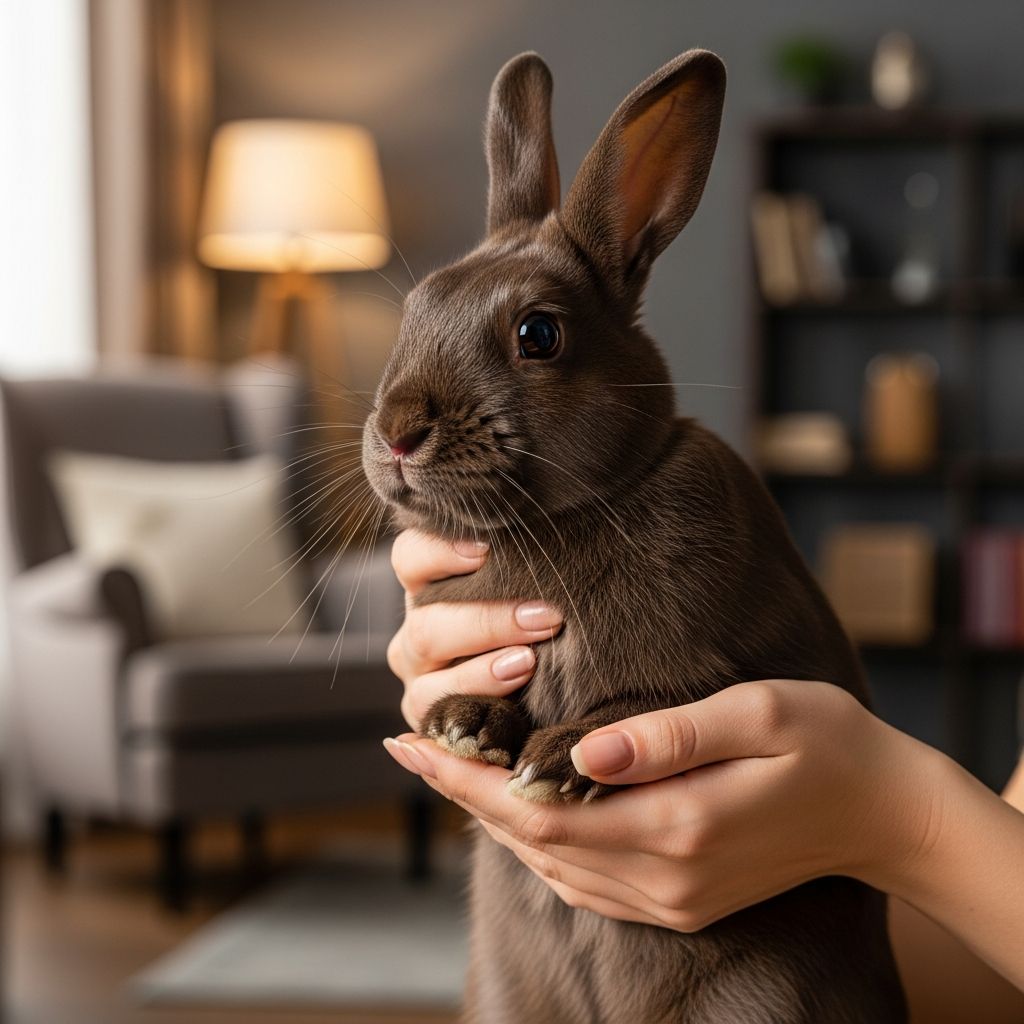
The Havana rabbit stands out as a compact, elegant breed prized for its mink-like fur and calm demeanor, making it an excellent choice for both novice owners and seasoned breeders. Weighing 4.5 to 6.5 pounds, these rabbits thrive in homes with proper care, offering affectionate companionship and show potential.
Understanding the Havana Rabbit Breed
Havana rabbits originated in the Netherlands around 1898 and have influenced breeds like the Fee de Marbourg and Perlefee. Recognized by the American Rabbit Breeders Association (ARBA), they come in colors such as chocolate, black, blue, lilac, and broken patterns, with chocolate accepted in 1916, blue in 1965, black in 1980, and broken in 2008. Their defining traits include a rounded body, short flyback coat that’s dense and glossy, short straight legs with dark nails, close-set ears, medium eyes, and full cheeks.
ARBA show standards emphasize body type (45 points), fur (20 points), color (25 points), and condition (10 points), with ideal senior weights of 5.25 to 5.5 pounds. Juniors under 6 months weigh 2.5 to 5 pounds. This breed’s versatility extends to showing, meat production, pelts, and breeding contributions to varieties like Lilac, American Sables, and Satins.
Ideal Living Spaces for Havana Rabbits
Havana rabbits adapt well to indoor or outdoor setups but require secure, spacious enclosures to prevent escapes and injuries. Indoors, a large wire cage or playpen (minimum 4×2 feet for one rabbit) with solid flooring for foot health works best, supplemented by supervised free-roam time.
- Enclosure essentials: Weatherproof hutches outdoors with shade and wind protection; indoor setups away from drafts and predators.
- Bedding: Soft hay, fleece liners, or aspen shavings to absorb moisture and support digging instincts.
- Exercise areas: Fenced yards or rabbit-proofed rooms for hopping and binkying (joyful mid-air jumps).
Maintain cleanliness by spot-cleaning daily and full disinfections weekly using pet-safe cleaners. Temperature should stay between 60-70°F; provide hiding spots like tunnels or boxes for security.
Nutrition Essentials for Optimal Health
A balanced diet forms the foundation of Havana rabbit vitality, primarily unlimited timothy hay (80% of intake) for digestion and teeth wear, paired with high-fiber pellets (1/4 cup per 5 pounds body weight daily) and fresh veggies.
| Food Type | Daily Amount | Examples | Benefits |
|---|---|---|---|
| Hay | Unlimited | Timothy, orchard, meadow | Digestive health, dental trimming |
| Pellets | 2-4 tbsp | Timothy-based, no seeds | Balanced nutrients |
| Vegetables | 1 cup per 2 lbs | Romaine, cilantro, parsley | Vitamins, hydration |
| Fruits/Treats | 1 tsp | Apple slices, blueberries | Occasional rewards |
Avoid high-sugar treats, iceberg lettuce, or grains to prevent obesity and GI stasis. Fresh water via sipper bottles must be available 24/7. Puppies (kits) need alfalfa hay and higher-protein pellets until 7 months. Monitor weight weekly; consult a vet for custom plans.
Grooming and Coat Maintenance
The Havana’s short, soft flyback fur is low-maintenance, self-grooming effectively with minimal shedding outside molt seasons. Weekly brushing with a soft slicker brush removes loose fur and distributes oils, increasing to twice weekly during sheds.
- Nail trimming: Every 4-6 weeks using rabbit clippers; avoid quick to prevent bleeding.
- Ear cleaning: Monthly with damp cotton balls if wax builds up.
- Bath avoidance: Spot-clean only; full baths stress rabbits and strip natural oils.
Check teeth monthly for overgrowth, a common issue in rabbits. Their glossy coat, earning the ‘mink of rabbits’ nickname, shines with regular care.
Health Monitoring and Common Issues
Havana rabbits are hardy but prone to dental problems, GI stasis, sore hocks from wire floors, and flystrike in soiled areas. Annual vet checkups with a rabbit-savvy exotic vet are crucial; spay/neuter at 4-6 months reduces cancer risks and aggression.
Signs of illness include lethargy, diarrhea, not eating, or hunched posture—seek immediate care. Vaccinations aren’t routine in the US but protect against myxomatosis/RHDV in endemic areas. Parasite prevention via monthly spot-ons if outdoors.
Preventive Measures
- Daily fecal/urine checks for abnormalities.
- Dust baths with chinchilla dust for fur health (weekly, supervised).
- Obesity control through portioned feeding and exercise.
Socialization and Training Techniques
Docile and intelligent, Havanas bond deeply with gentle handling from young ages. They’re mellow, enjoying pets but not always lap-sitting; some are more outgoing, others reserved. Socialize daily with positive reinforcement like treats for harness training or litter use.
They’re not hyperactive but love roaming indoors or secure yards for zoomies. Pair bonding possible with same-sex or neutered opposites after intros; watch for aggression. Families appreciate their calm nature around respectful children.
Breeding Havana Rabbits Responsibly
Havanas are prolific, litters of 6-8 kits (up to 12) after 30-day gestations. Breed does at 6 months when mature; does pull fur for nests 1-2 days pre-birth, nursing 3-4 times daily before weaning at 4-6 weeks.
- Breeding tips: Separate post-weaning; monitor doe health to avoid exhaustion.
- Kit care: Born blind/deaf/naked, covered in nest; handle minimally first weeks.
Only breed for show/pedigree improvement; rehome responsibly. Bucks mature faster; use separate quarters.
Choosing and Bringing Home Your Havana
Select from ARBA-registered breeders for health guarantees and pedigrees. Check for bright eyes, firm body, clean rear, and friendly temperament. Budget $50-150 per rabbit, plus $200-500 setup costs. Quarantine new arrivals 30 days.
Proof rooms: remove cords, secure baseboards. Start with solo housing unless bonding planned.
Frequently Asked Questions
Are Havana rabbits good for beginners?
Yes, their calm temperament and low grooming needs suit first-timers.
How long do Havana rabbits live?
7-12 years with excellent care; provide vet access and balanced diet.
Can Havana rabbits live outdoors?
Possible in insulated hutches, but indoors preferred for bonding and safety.
What colors are Havana rabbits?
Chocolate, black, blue, lilac, broken per ARBA.
Do they need chew toys?
Absolutely—untreated wood or hay blocks prevent boredom and dental issues.
Havana rabbits reward dedicated owners with loyalty and beauty. Consistent routines in housing, feeding, grooming, and health ensure their well-being.
References
- The Comprehensive Guide to the Havana Rabbit — Everbreed. 2023. https://everbreed.com/blog/the-comprehensive-guide-to-the-havana-rabbit/
- Havana Rabbit 101: Part 1 — YouTube. 2022-10-15. https://www.youtube.com/watch?v=Ef7_EMEV5-4
- Rabbit Breed Profile – Havana — BackyardHerds. 2021. https://www.backyardherds.com/articles/rabbit-breed-profile-havana.58/
- Havana rabbit — Wikipedia. 2024-01-10. https://en.wikipedia.org/wiki/Havana_rabbit
- Breed History — Havana Rabbit Breeders Association. 2020. http://www.havanarb.net/breed-history.html
- Havana — American Rabbit Breeders Association (ARBA). 2025. https://arba.net/havana/
Similar Articles


Read full bio of Sneha Tete