

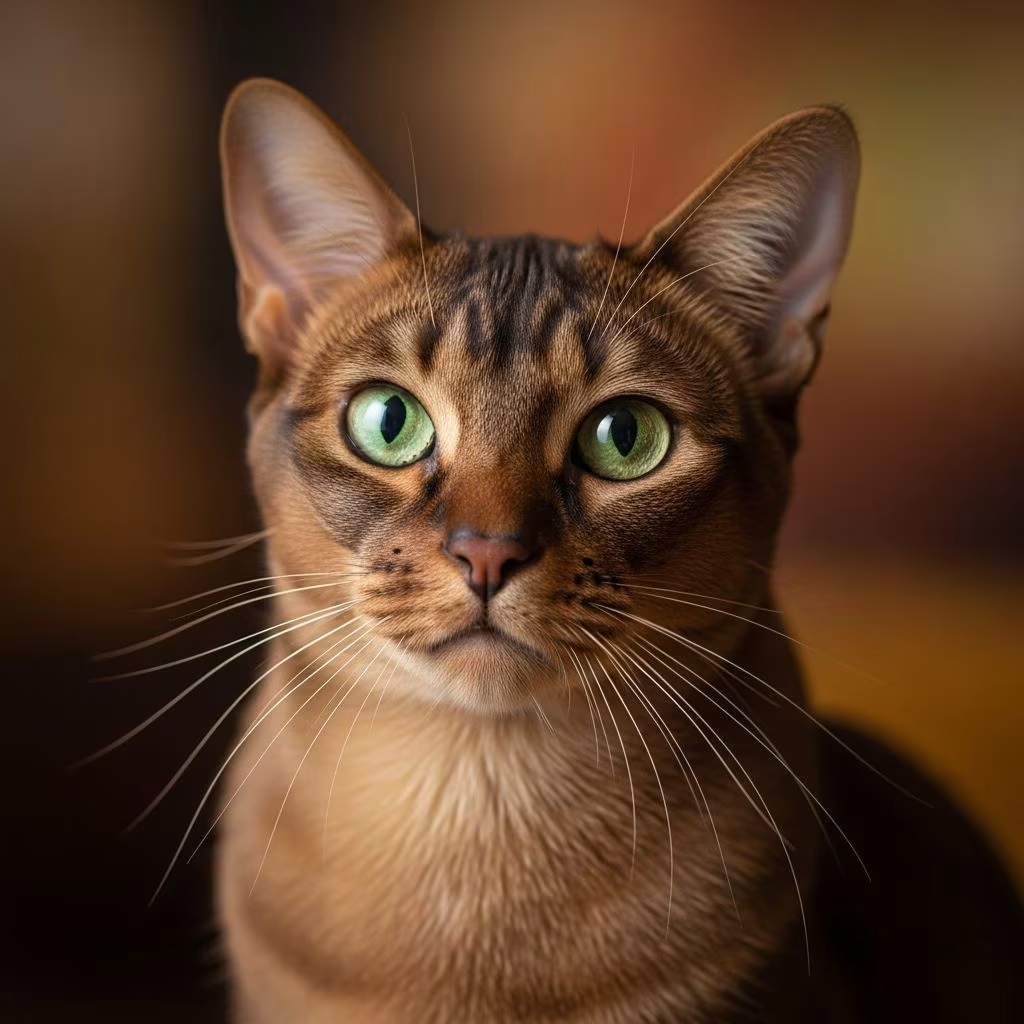
The Havana Brown cat stands out as a captivating breed, celebrated for its rich mahogany coat, striking green eyes, and a personality that blends feline grace with canine loyalty. This medium-sized feline offers endless entertainment through its playful antics and deep bond with owners, making it an ideal choice for families seeking an interactive pet.
Distinctive Physical Features of the Havana Brown
Havana Browns possess a balanced, muscular build that conveys both strength and agility. Typically weighing between 6 and 10 pounds, males are generally larger than females, with lean muscle contributing to their sturdy yet graceful frame.
Their head is longer than wide, tapering to a rounded muzzle with a pronounced break behind the whisker pads, creating a unique corn-cob shape. A prominent chin, sometimes adorned with sparse hairs resembling a tiny beard, adds to their distinctive profile. Large, forward-tilted ears with rounded tips enhance their alert expression, while medium-sized oval eyes gleam in vivid green hues.
The coat is short to medium in length, smooth, and glossy, locked into a warm reddish-brown or mahogany shade without tabby markings in adults. Kittens may show faint patterns that fade by one year. Even the nose leather and paw pads match this signature tone, with whiskers blending seamlessly.
| Physical Trait | Description |
|---|---|
| Size | Small to medium; 6-10 lbs |
| Coat | Short, glossy mahogany brown |
| Eyes | Vivid green, oval |
| Ears | Large, tilted forward |
| Build | Muscular, agile |
Temperament and Daily Behavior
Havana Browns are renowned for their sociable, intelligent, and outgoing nature, often displaying dog-like behaviors such as following owners room-to-room or using paws to solicit attention. They crave human interaction and can become lonely without companionship, thriving best with family members, other pets, or a feline sibling.
- Playful Energy: Moderately active, they love interactive toys and games, leaping with agility and precision.
- Affectionate: Expect nudges, purring, and paw touches as bids for cuddles or play.
- Adaptable: They adjust well to new environments if their favorite people are present.
- Family-Friendly: Gentle with children when supervised, and compatible with dogs and other cats.
While highly people-oriented, individual personalities vary—some are bold socialites, others prefer bonding deeply with one person. Their curiosity drives them to observe rather than intrude, patiently waiting for opportunities to explore.
Historical Origins and Breed Development
The Havana Brown emerged in the mid-20th century from British breeders crossing Siamese cats with domestic blacks and Russian Blues. Initially called the Chestnut Brown Foreign Shorthair, the breed aimed to create a cat with Siamese elegance but a solid warm-brown coat. Gaining recognition in the 1950s, it was renamed Havana Brown after the Cuban cigar’s hue, reflecting its mahogany tones.
Challenges arose from limited gene pools, leading to outcrossing efforts in the U.S. Today, organizations like The Cat Fanciers’ Association (CFA) uphold strict standards emphasizing the breed’s unique muzzle, eyes, and coat. This heritage instills a blend of Siamese vocalness and independent spirit with enhanced sociability.
Health Considerations and Lifespan
With proper care, Havana Browns live 10-15 years. Their muscular build aids in maintaining healthy weight, but sterilized cats may gain excess pounds, necessitating portion control and activity encouragement.
Common concerns include:
- Genetic predispositions from Siamese ancestry, such as dental issues or amyloidosis (monitor via vet checkups).
- Obesity risk due to moderate energy levels—aim for high-quality, protein-rich diets.
- Low shedding minimizes allergies, but weekly brushing preserves coat luster.
Annual veterinary exams, vaccinations, and dental cleanings promote longevity. Their agility reduces injury risk, but indoor living protects from hazards.
Grooming and Maintenance Routines
Low-maintenance grooming suits busy owners. The sleek coat requires minimal brushing—once weekly suffices to distribute oils and reduce rare shedding. Bathe only if soiled, as they self-groom efficiently.
Nail trims every 2-3 weeks prevent overgrowth. Clean ears monthly to avert wax buildup, and brush teeth 2-3 times weekly with pet-safe paste. Their alert eyes benefit from daily checks for discharge.
Nutrition Essentials
Feed premium wet and dry foods supporting lean muscle. Divide meals into 2-3 portions daily, adjusting for age, activity, and neuter status. Fresh water is vital; consider fountains to entice drinking.
Training and Enrichment Activities
Intelligence shines in trainability—teach tricks like fetch, sit, or leash walking using positive reinforcement. Puzzle feeders and interactive lasers engage their inquisitive minds, preventing boredom.
Vertical spaces like cat trees satisfy climbing urges, while window perches fuel people-watching. Rotate toys to sustain interest; they excel at batting dangling objects with paw dexterity.
Ideal Living Environments
Havana Browns flourish in homes offering attention and stimulation, not isolation. Apartments suit if play sessions abound; larger spaces allow dashing sprints. Multi-pet households enhance joy, but intros work best.
Avoid leaving them alone extended periods—companions mitigate distress vocalizations inherited from Siamese roots.
Bringing Home a Havana Brown Kitten
Select reputable breeders adhering to CFA standards, verifying health clearances. Kittens display markings that vanish, revealing solid coats. Early socialization fosters confident adults.
Prepare with scratching posts, litter boxes (one per cat plus one), and safe zones. Gradual introductions ease transitions.
Frequently Asked Questions (FAQs)
Are Havana Browns good with kids?
Yes, their patient, playful demeanor suits respectful children, but supervise interactions.
How much exercise do they need?
Moderate daily play—15-30 minutes of active engagement keeps them fit.
Do they shed a lot?
No, low shedding makes them hypoallergenic-friendly.
Can they live with dogs?
Absolutely, many bond closely, enjoying shared naps.
What’s the best diet for weight control?
High-protein, low-carb formulas with measured portions.
Why Choose a Havana Brown?
This breed combines visual splendor with emotional depth, offering loyalty akin to dogs in a compact, elegant package. Their warmth, playfulness, and adaptability make them cherished companions for diverse lifestyles.
References
- Havana Brown Cat Breed Profile — Litter-Robot. 2023-10-15. https://www.litter-robot.com/blog/havana-brown-cat/
- Havana Brown — Wikipedia. 2024-05-20. https://en.wikipedia.org/wiki/Havana_Brown
- Havana Brown — The Cat Fanciers’ Association. 2024-01-10. https://cfa.org/breed/havana-brown/
- Havana Brown Facts — Wisdom Panel. 2023-11-05. https://www.wisdompanel.com/en-us/cat-breeds/havana-brown
- Havana Brown Cat Breed — Hill’s Pet Nutrition. 2024-02-28. https://www.hillspet.com/cat-care/cat-breeds/havana-brown



