

Understanding Harvest Mites in Dogs
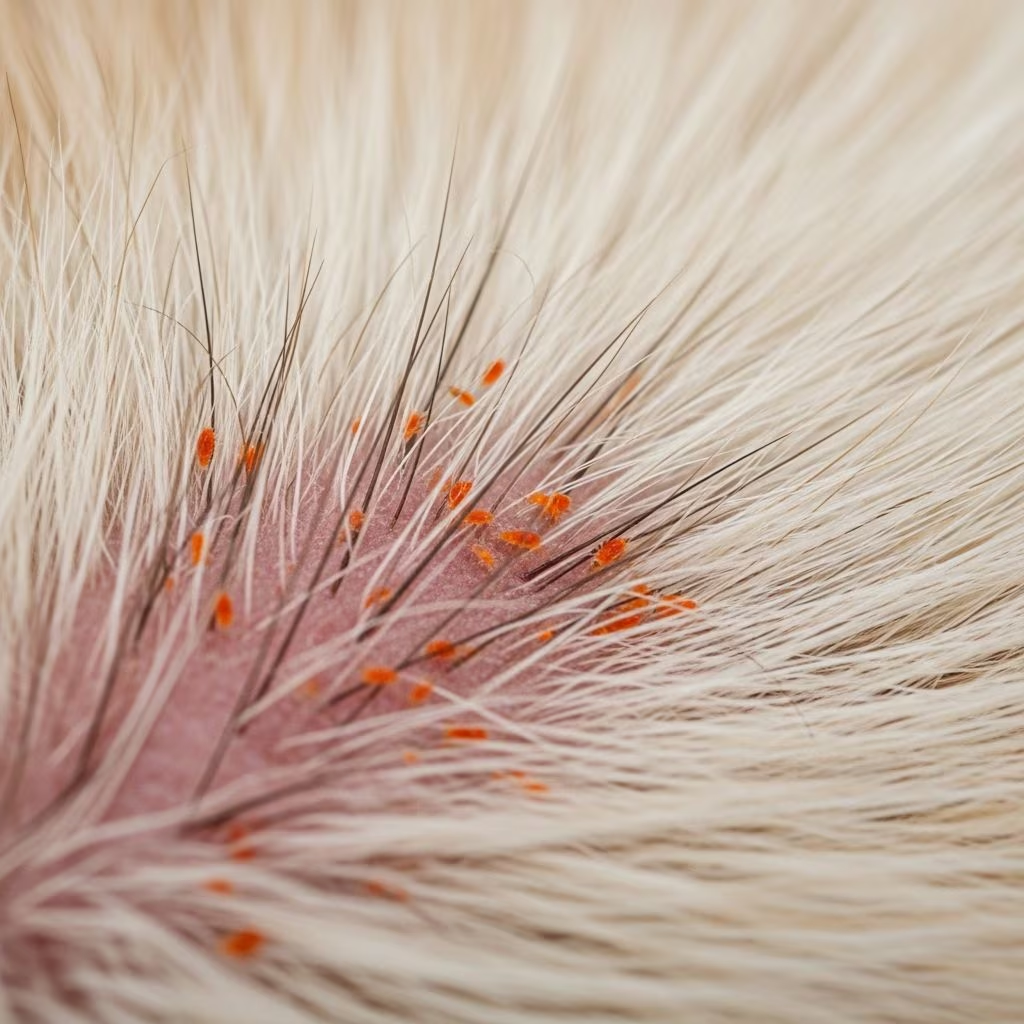
Harvest mites are tiny parasitic arthropods that can cause significant discomfort to dogs, particularly during late summer and autumn months. These microscopic creatures belong to the Trombiculidae family and are known for their bright orange or red coloring, making them occasionally visible to the naked eye on a dog’s skin. Unlike other parasites such as fleas or ticks, harvest mites represent a unique challenge for pet owners because their larvae feed on skin cells rather than blood, injecting enzymes that cause intense irritation and discomfort.
Dogs typically encounter harvest mites when walking through grassy areas, woodlands, or overgrown vegetation where these parasites thrive. The mites are most active during warm, humid weather and tend to concentrate in areas with abundant leaf litter and damp undergrowth. Once a mite larva attaches to a dog’s skin, it remains there for several days to weeks, continuously feeding and causing progressive irritation.
Identifying Harvest Mite Infestations
Recognizing the signs of harvest mite infestation is crucial for prompt treatment. Dog owners should be alert to behavioral changes and physical symptoms that may indicate their pet has picked up these parasites.
Primary Symptoms
The most prominent symptom of harvest mite infestation is intense, persistent itching that is often concentrated in specific areas where mites have attached. The itching can be so severe that affected dogs may scratch until they cause open wounds. Common physical signs include:
- Excessive scratching, biting, and licking of affected areas
- Red, swollen, and inflamed skin patches
- Tiny orange or red specks visible on the skin and fur
- Yellow crusts, scabs, and pustules from secondary infections
- Hair loss in affected areas due to constant self-trauma
- Stained or discolored fur from frequent licking and biting
- Restlessness, anxiety, and difficulty sleeping
Common Affected Areas
Harvest mites typically target areas with thinner, more sensitive skin. The most frequently affected locations include the spaces between toes, paws, legs, belly, armpits, genitals, and occasionally the ears and face. These areas provide ideal conditions for mite attachment and feeding, as the skin is more delicate and accessible to the parasites.
Causes and Risk Factors
Understanding how dogs contract harvest mites can help owners implement effective prevention strategies. The primary cause is exposure to outdoor environments where these parasites are present. Risk factors that increase the likelihood of infestation include:
- Spending time in grassy, wooded, or overgrown areas during late summer and autumn
- Walking in areas with abundant leaf litter and damp vegetation
- Breed predisposition, with some dogs showing heightened sensitivity to mite bites
- Individual immune system variations that affect reaction severity
- Failure to use preventative treatments during high-risk seasons
Treatment Options for Harvest Mite Infestations
Treatment for harvest mites requires a multi-faceted approach that addresses both the parasites themselves and the resulting skin irritation. Veterinarians typically recommend a combination of treatments tailored to the severity of the infestation and the individual dog’s response.
Removing the Mites
The first step in treatment involves eliminating the mites from the dog’s skin and coat. Several effective options are available:
- Anti-parasitic shampoos: Bathing your dog with mild anti-parasitic or soothing oatmeal shampoos helps remove mites and ease itching. Look for products containing chlorhexidine or lime sulfur, which are proven effective against mites.
- Topical treatments: Spot-on applications and sprays containing permethrin and fipronil have demonstrated rapid and durable effectiveness in eliminating harvest mites. Research shows that permethrin-fipronil combinations are well-tolerated and can eliminate infestations in most dogs within one month of treatment.
- Flea and tick preventatives: Many commercial flea and tick treatments also protect against harvest mites. Fipronil-based products are particularly effective and can be used both therapeutically and preventatively.
- Ivermectin: For persistent cases where other treatments haven’t fully worked, veterinarians may prescribe ivermectin, which targets mites effectively and provides quick relief from itching and irritation.
Alleviating Skin Irritation and Inflammation
Addressing the uncomfortable symptoms is equally important as eliminating the mites. Dogs with severe itching may require additional interventions:
- Anti-inflammatory medications: Prescription corticosteroid creams or oral medications reduce inflammation and control severe itching that persists despite mite elimination.
- Soothing skin treatments: Applying aloe vera gel, coconut oil, or veterinarian-recommended anti-itch lotions can calm irritated skin and reduce the urge to scratch.
- Antibiotics: If secondary bacterial infections have developed from excessive scratching, antibiotics may be necessary to clear the infection and prevent complications.
- Medicated shampoos: Regular bathing with medicated formulas helps maintain skin health and prevents new infestations while the primary treatment takes effect.
Treatment Timeline and Expectations
Treatment effectiveness varies depending on the product used and individual dog factors. Clinical studies have demonstrated that permethrin-fipronil combinations achieve 79% efficacy within 24 hours and show mite elimination in approximately 83% of dogs within one month. Most dogs require multiple applications, typically administered at two-week intervals, to ensure complete elimination and prevent recurrence. Improvement in itching and skin lesions can be expected within 14 days, with significant lesional improvement (up to 97%) by day 28 of treatment.
Prevention Strategies
Prevention is significantly more effective and easier than treating an active infestation. Dog owners should implement comprehensive preventative measures, particularly during high-risk seasons.
Environmental Management
Modifying the outdoor environment can substantially reduce mite exposure:
- Keep grass trimmed short and remove leaf piles from your yard
- Eliminate damp undergrowth and overgrown vegetation where mites thrive
- Avoid allowing your dog to rest in shady, overgrown areas during mite season
- Maintain clean yard spaces with adequate sunlight exposure
Regular Hygiene and Monitoring
Establishing good hygiene practices helps minimize mite attachment and identify infestations early:
- Bathe your dog regularly with anti-parasitic or soothing shampoos during high-risk seasons
- Wipe your dog down gently after outdoor activities to remove any attached mites before they establish feeding sites
- Use a fine-toothed flea comb to inspect and remove any visible mites
- Check frequently between toes, in ears, and on the belly where mites commonly attach
Preventative Treatments
Applying preventative treatments during late summer and autumn provides reliable protection:
- Use flea and tick preventatives that also protect against mites, such as fipronil-based products
- Apply topical treatments at intervals recommended by your veterinarian
- Consider natural repellents, as harvest mites show aversion to citronella, eucalyptus, peppermint, and lavender.
- Maintain consistent year-round parasite prevention programs
When to Consult Your Veterinarian
While some mild cases of harvest mite infestation may respond to home treatment, professional veterinary care is essential in many situations. Contact your veterinarian if your dog exhibits signs of harvest mite infestation, particularly if the itching is severe, persistent, or accompanied by signs of secondary infection such as oozing sores, pus, or fever. Dogs showing signs of extreme discomfort or behavioral changes should receive prompt professional evaluation. Additionally, if over-the-counter treatments fail to provide relief within a week, or if your dog has a known sensitivity to mite bites, veterinary intervention becomes necessary to prevent complications.
Understanding Harvest Mite Sensitivity
Not all dogs react equally to harvest mite bites. Some dogs are extremely sensitive to mite saliva and develop intensely itchy, red, and inflamed skin even from minimal exposure. These hypersensitive dogs may require additional anti-inflammatory medications and more aggressive treatment protocols than dogs with typical reactions. Individual dogs may also experience allergic-like reactions to mite bites, though the mites themselves are not true allergens. The severity of symptoms does not necessarily correlate with the number of mites present, making professional veterinary assessment valuable for determining appropriate treatment intensity.
Long-term Management and Outlook
Once a dog has been successfully treated for harvest mite infestation, the long-term outlook is excellent. Dogs do not develop immunity to these parasites, so repeat infestations are possible if preventative measures are not maintained. However, consistent use of preventative treatments and environmental management during high-risk seasons can effectively prevent future problems. Dogs that have experienced previous infestations should receive particular attention during late summer and autumn, and year-round parasite prevention may be beneficial for dogs in high-exposure areas or those with heightened sensitivity.
Frequently Asked Questions
Q: Will harvest mites go away on their own?
A: No, harvest mites in dogs are unlikely to resolve without treatment. The itching and irritation typically last for weeks, and without intervention, constant scratching can lead to open wounds and secondary infections. Prompt treatment is essential to prevent complications.
Q: How long does it take to treat harvest mites?
A: Most dogs show improvement within 14 days of starting appropriate treatment. Complete mite elimination typically occurs within one month. Multiple applications, usually spaced two weeks apart, may be necessary for complete resolution.
Q: Can harvest mites transmit diseases to dogs?
A: Unlike ticks and some other parasites, harvest mites do not transmit diseases. However, their bites can cause severe discomfort, allergic reactions, and secondary bacterial infections if scratching is excessive.
Q: What is the best prevention for harvest mites?
A: The best prevention involves using veterinarian-recommended flea and tick preventatives that also protect against mites, particularly during late summer and autumn. Environmental management, including yard maintenance and avoiding high-risk areas, provides additional protection.
Q: Are certain dog breeds more susceptible to harvest mites?
A: While any dog can contract harvest mites, individual sensitivity varies greatly. Some dogs show heightened reactions to mite bites regardless of breed, while others may have minimal symptoms despite exposure. Dogs with compromised skin barriers or those spending more time outdoors face higher infection risk.
Q: Can I treat harvest mites at home?
A: Mild cases can be managed with anti-parasitic shampoos and topical treatments available over-the-counter. However, severe infestations, persistent itching, signs of infection, or hypersensitive reactions require veterinary evaluation and prescription treatments for optimal outcomes.
References
- Harvest Mites on Dogs: Symptoms, Treatment, and Prevention — Noble Vet Clinic. Accessed November 2025. https://noblevetclinic.com/blog/harvest-mites-on-dogs-symptoms-treatment-and-prevention
- Treatment of Harvest Mite Infestation in Dogs Using a Permethrin-Fipronil Combination — PMC/National Center for Biotechnology Information. 2020. https://pmc.ncbi.nlm.nih.gov/articles/PMC6958381/
- Harvest Mites in Dogs — PDSA (People’s Dispensary for Sick Animals). Accessed November 2025. https://www.pdsa.org.uk/pet-help-and-advice/pet-health-hub/conditions/harvest-mites-in-dogs
- Grass Mites on Dogs: Causes, Symptoms, & Treatments — Holistapet. Accessed November 2025. https://www.holistapet.com/blogs/dog-care/grass-mites-on-canines
- Harvest Mite Infestations in Dogs — VCA Animal Hospitals. Accessed November 2025. https://vcahospitals.com/know-your-pet/harvest-mite-infestations-in-dogs
- Preventing & Treating Harvest Mites — Anicura Natural Pet Solutions. Accessed November 2025. https://anicura.co.uk/blogs/news/preventing-treating-harvest-mites
- Harvest Mites in Pets — FOUR PAWS in US. Accessed November 2025. https://www.fourpawsusa.org/our-stories/publications-guides/harvest-mites-in-pets



