

Understanding Harvest Mite Infestations in Cats
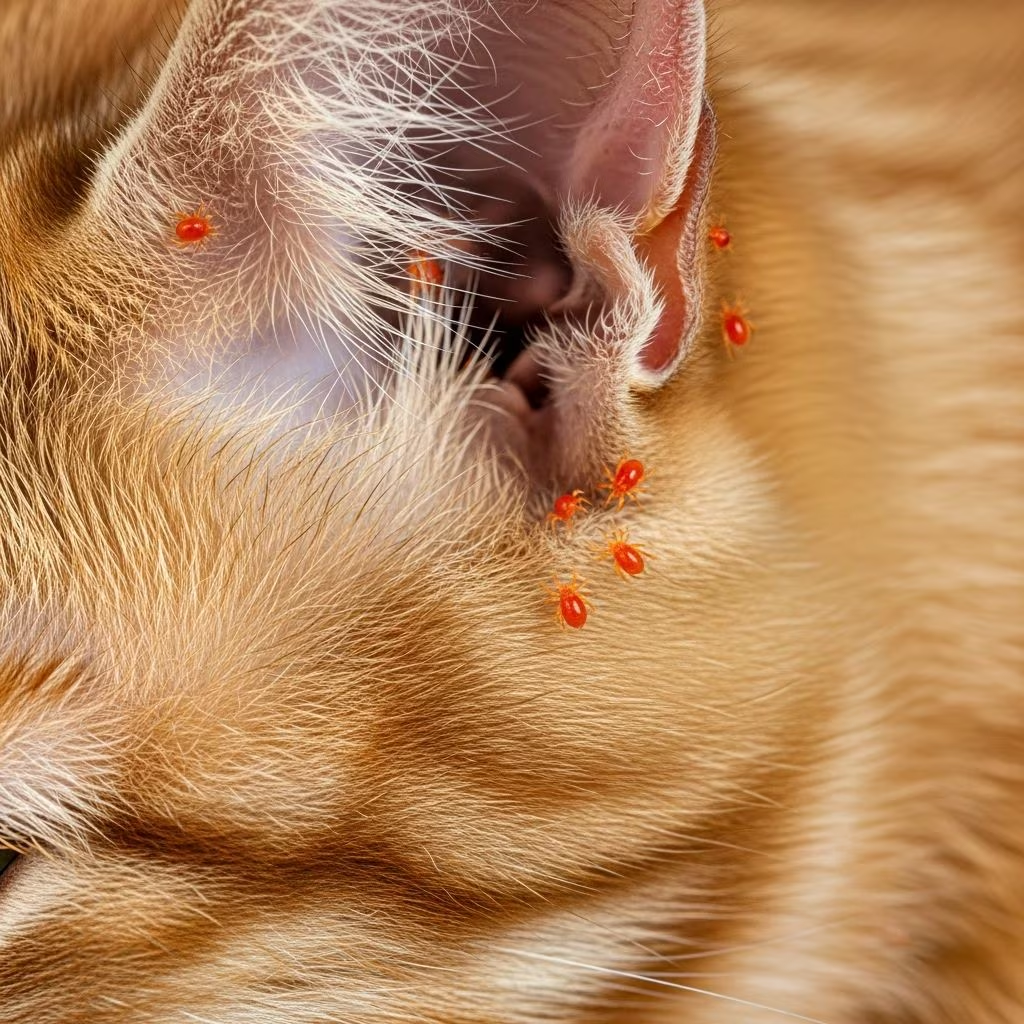
Harvest mites, commonly known as chiggers or red bugs, are tiny parasitic larvae that can cause significant discomfort to cats during the late summer and early fall months. These microscopic pests are orange-red in color and barely visible to the naked eye, though they become slightly larger after feeding. Understanding these infestations is crucial for cat owners who want to protect their feline companions from the intense itching and skin damage these mites can cause.
Trombiculid mites are outdoor parasites that belong to the arachnid family, with the larvae being the only parasitic stage of their life cycle. Unlike many other mites that burrow into the skin, harvest mite larvae simply attach themselves to the surface of a cat’s skin and feed on tissue fluid and skin cells. This feeding process, while seemingly simple, triggers severe irritation and inflammation that can last long after the mites have departed from the host.
What Are Harvest Mites?
Harvest mites are the larval stage of Trombiculid mites, belonging to the order Acari. The eight-legged adult mites live in vegetation and soil, but the six-legged larvae are the parasitic form that affects cats and other animals. These larvae are seasonal parasites that typically emerge during warm, humid weather in late summer and continue through early fall. They thrive in grassy areas, wooded environments, and other outdoor spaces where cats may roam.
When harvest mite larvae come into contact with a cat, they attach themselves to the skin and begin feeding. A single mite is nearly invisible to the naked eye, but when multiple mites cluster together on a cat’s skin, they can appear as tiny orange or red dots. The larvae feed for only three to four days before dropping off to continue their life cycle, but the damage they cause during this brief period can be substantial.
How Do Harvest Mites Affect Cats?
The Feeding Mechanism and Skin Irritation
Harvest mites do not burrow into the cat’s skin like many other parasitic mites. Instead, they hook themselves onto the skin surface and inject digestive enzymes to break down skin cells and tissue fluid. These enzymes are highly irritating to feline skin, resulting in intense itching that can be absolutely maddening for affected cats. The severity of the itching often surprises cat owners, as the reaction seems disproportionate to the size of the parasites causing it.
The intense itching drives cats to scratch and chew at the affected areas compulsively. This self-trauma can lead to open wounds, secondary bacterial infections, and further complications. Cats that are particularly sensitive to mite bites may experience even more severe reactions, with the itching potentially persisting even after the mites have been eliminated from the body.
Common Symptoms and Signs
The primary indicator of harvest mite infestation is a sudden onset of intense itching, particularly during the late summer or early fall months. Cat owners may notice their pets scratching or chewing excessively at their skin, often causing visible damage in the process. The skin lesions that result from this self-inflicted trauma vary considerably in appearance and severity.
Skin manifestations can range from small crusted spots to areas of significant hair loss to raw, moist, and bleeding patches. The severity depends on how vigorously the cat scratches and how sensitive the individual cat is to the mite bites. In cats, harvest mites are most commonly found around the ears and between the toes, though they can attach to virtually any part of the body. Some cats may show redness, bumps, and inflammation at the attachment sites.
Interestingly, some cats are so efficient at grooming themselves that they mechanically remove many of the mites before extensive damage occurs, meaning cat owners might notice minimal visible signs despite an active infestation. However, even cats that groom well may still ingest some mite larvae during the grooming process.
Diagnosing Harvest Mite Infestations
Clinical Presentation and History
A sudden onset of intense itching during the late summer or early fall season is the primary clue that harvest mites or similar ectoparasites such as fleas may be present. Veterinarians rely heavily on the timing of symptoms and the seasonal pattern to help narrow down the diagnosis. If a cat suddenly begins scratching intensely during mite season and has outdoor access or exposure to grassy areas, harvest mites become a prime diagnostic consideration.
Diagnostic Procedures
Your veterinarian will make a definitive diagnosis by identifying the mites themselves. In cases where accumulations of mites are present on the skin, they may appear as distinctly orange spots that are visible to the naked eye or under close examination. Cat owners who take photographs of affected areas before the mites drop off can provide valuable diagnostic information to their veterinarian.
When fewer mites are present on the skin, identification requires microscopic examination. Your veterinarian will perform a superficial skin scraping, collecting skin and any debris from the affected area. This sample is then examined under a microscope to identify the characteristic harvest mites. The appearance of the mites under magnification—their orange-red color and distinctive body structure—confirms the diagnosis.
Early diagnosis is important because the larvae can drop off the host quickly once they finish feeding, making diagnosis more difficult if treatment is delayed. Taking a clear photograph of the affected area showing the distinctive orange mites can assist your veterinarian in making a faster diagnosis.
Treatment Options for Harvest Mites
Veterinary-Prescribed Treatments
Your veterinarian will prescribe safe and effective treatment tailored to your cat’s specific situation. Though there are currently no products specifically licensed for the treatment of harvest mites in cats and dogs, insecticides that are approved for flea control will effectively kill harvest mites when correctly applied. The key to successful treatment is choosing a product with good residual activity that continues to protect the cat even after application.
Common topical treatments include selamectin, ivermectin, and other flea prevention medications that have demonstrated efficacy against harvest mites. These medications are applied directly to the cat’s skin according to veterinary instructions. Some veterinarians may recommend weekly lime sulfur dips or other bathing treatments, though these are less commonly used in modern practice. Frontline spray has also shown effectiveness, though this is different from the typical topical drops used for flea prevention.
Confinement During Mite Season
An important component of harvest mite treatment is confining the cat during harvest mite season to prevent re-infestation. Since these mites live in outdoor vegetation, keeping cats indoors during the late summer and early fall months significantly reduces exposure risk. If indoor confinement is not possible, limiting outdoor time and avoiding grassy or wooded areas where mites are most prevalent can help reduce infestation risk.
Supportive and Symptomatic Treatment
In most cases, once the mites have been killed, the cat will not require additional treatment for the mite infestation itself. However, cats that are very sensitive to mite bites may require additional supportive care. Anti-inflammatory medications can provide relief from itching and reduce skin inflammation while the damage heals. These medications help manage the cat’s discomfort during the recovery period.
If the cat has developed secondary bacterial or fungal skin infections from scratching, antibiotics or antifungal medications may be necessary. These secondary infections can occur when open wounds from scratching become contaminated. Addressing these infections prevents complications and promotes faster healing of the skin.
Managing Itching and Discomfort
Understanding Persistent Itching
One of the most challenging aspects of harvest mite infestations is that itching can persist even after the mites have been successfully removed from the cat’s body. This delayed itching response is due to the inflammatory reaction triggered by the mites’ enzymes and the skin damage caused by the cat’s own scratching. The inflammation takes time to resolve even after the parasitic cause has been eliminated.
Itch Relief Options
For cats experiencing significant itching, anti-inflammatory medications provide relief by reducing skin inflammation and modulating the itch response. Antihistamines may also be prescribed in some cases, particularly for cats with heightened sensitivity to the mite antigens. These medications should only be used under veterinary guidance to ensure appropriate dosing and to monitor for any adverse effects.
Supportive care measures can also help manage discomfort. Keeping the cat’s environment cool and providing soft, comfortable bedding can reduce irritation. Some veterinarians recommend oatmeal-based baths with added Epsom salts, which can provide soothing relief to irritated skin. However, any bathing should be done cautiously and only under veterinary recommendation to avoid further skin irritation.
Prevention Strategies
Seasonal Protection
Prevention is always preferable to treatment when it comes to harvest mite infestations. During the late summer and early fall months when mites are most active, keeping cats indoors significantly reduces exposure risk. If indoor confinement is not feasible, limiting outdoor time during peak mite hours—typically during warm afternoons—can help reduce the likelihood of infestation.
Environmental Management
Avoiding grassy and wooded areas where harvest mites thrive is an effective prevention strategy. Cats that stay primarily indoors or whose outdoor access is limited to patios or hard surfaces have much lower risk of mite infestation. Treating the outdoor environment with mite-repellent products may help, though this approach is less practical for most cat owners.
Regular Monitoring
During peak mite season, regularly inspecting your cat’s skin, especially around the ears and between the toes, can help identify infestations early. Early detection and treatment prevent the development of severe itching and secondary skin infections. Taking photographs if you notice any suspicious orange spots or unusual skin changes can assist your veterinarian in rapid diagnosis.
Important Treatment Precautions
What NOT to Do
Applying rubbing alcohol to harvested mite bites will not kill the mites or help with symptoms. Alcohol only causes burning, pain, and additional discomfort to an already irritated cat. Similarly, home remedies that have not been verified by veterinary professionals should be avoided, as they may cause harm or delay necessary treatment.
Never use insecticides on your cat without explicit veterinary approval and guidance. Some insecticides are toxic to cats and can cause serious harm or death. Only use products specifically approved for feline use and follow dosing instructions precisely.
Frequently Asked Questions About Harvest Mites in Cats
Q: What time of year are cats most at risk for harvest mite infestations?
A: Harvest mites are most active during late summer and early fall months. The exact timing varies by geographic location and climate conditions, but this seasonal pattern is consistent across most regions.
Q: Can humans catch harvest mites from cats?
A: While it is possible for humans to come into contact with harvest mites, it is unlikely for people to catch these mites from their cats. Most transmission occurs through direct contact with infested outdoor vegetation rather than from infested animals.
Q: How long do harvest mites remain on a cat?
A: Harvest mite larvae typically feed for three to four days before dropping off the host to continue their life cycle. However, the itching and inflammation they cause can persist for weeks after the mites have departed.
Q: Are some cats more susceptible to harvest mite infestations than others?
A: Yes, individual cats vary in their sensitivity to mite bites. Some cats may show minimal signs despite carrying mites, while others experience severe itching and skin damage from the same infestation. Long-haired cats may be slightly more susceptible due to increased surface area for mite attachment.
Q: Can indoor cats get harvest mites?
A: Indoor cats are at much lower risk for harvest mite infestation, but it is possible if they have outdoor access or if mites are inadvertently brought inside on clothing or other objects. Primarily indoor cats are significantly safer from this infestation.
Q: What should I do if I suspect my cat has harvest mites?
A: Contact your veterinarian as soon as possible for diagnosis and treatment. If possible, take a clear photograph of the affected area showing any orange spots or mites to assist in diagnosis. Early treatment prevents complications and reduces your cat’s discomfort.
References
- Harvest Mite Infestations in Cats — VCA Animal Hospitals. 2025. https://vcahospitals.com/know-your-pet/harvest-mite-infestations-in-cats
- Mite Infestation (Mange, Acariasis, Scabies) of Cats – Cat Owners — Merck Veterinary Manual. 2025. https://www.merckvetmanual.com/cat-owners/skin-disorders-of-cats/mite-infestation-mange-acariasis-scabies-of-cats
- Trombiculiasis in Cats — International Cat Care. Updated 2025-03-19. https://icatcare.org/articles/trombiculiasis-in-cats
- Mites on Cats: Types, Signs, and Treatment — Noble Vet Clinic. 2025. https://noblevetclinic.com/blog/mites-on-cats-types-signs-and-treatment
- Chiggers on Cats — PetMD. 2025. https://www.petmd.com/cat/conditions/skin/chiggers-on-cats
- Harvest Mites — Middletown Veterinary Hospital. 2025. https://www.middletownvet.net/equine-and-large-animals/doctor-articles/harvest-mites.html



