

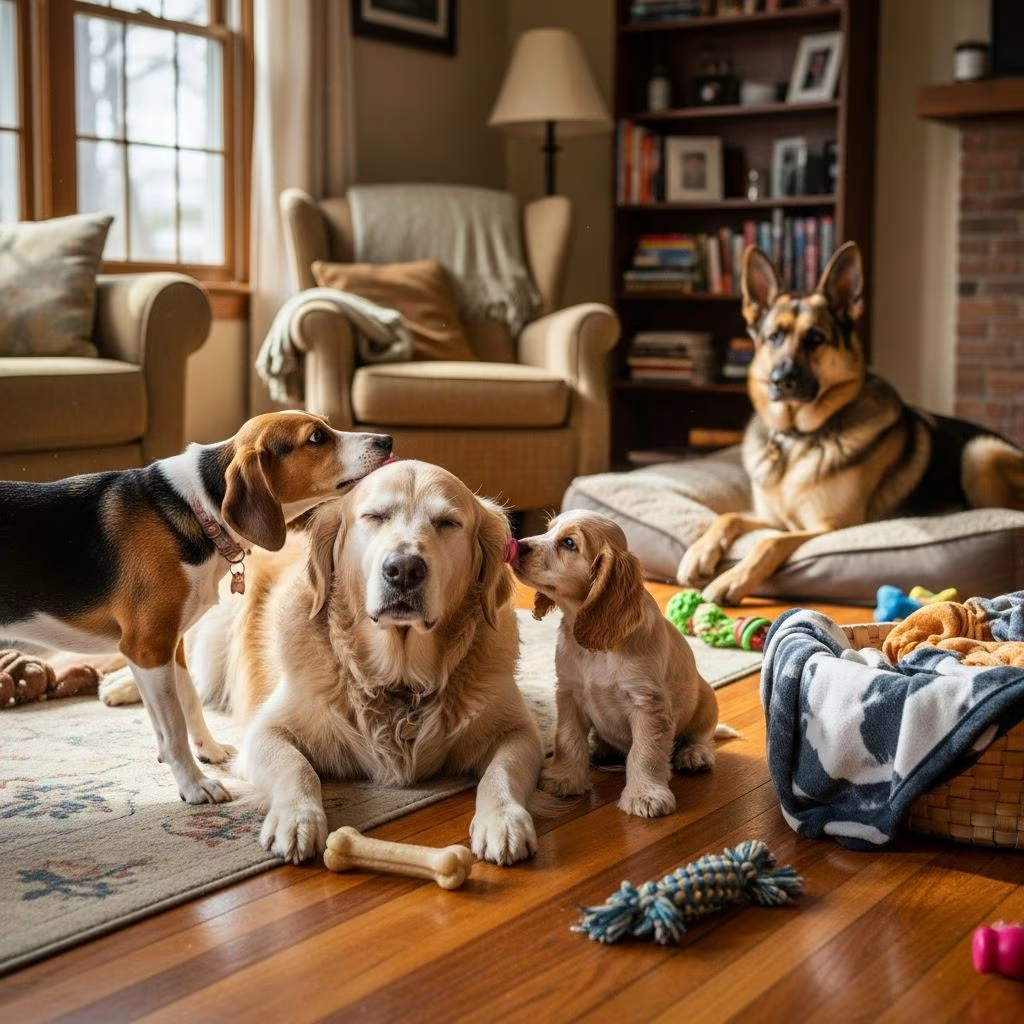
Living with dogs spanning different life stages offers unique rewards but demands careful management. Young pups bring vitality and playfulness, while senior dogs provide calm wisdom and gentle companionship. Successfully blending these generations requires understanding their distinct needs and implementing tailored strategies to prevent tension and promote mutual respect.
Understanding Age-Related Needs in Canine Companions
Dogs evolve through life phases with shifting physical, emotional, and behavioral requirements. Puppies and adolescents thrive on high-energy outlets, social exploration, and constant stimulation. In contrast, older dogs prioritize rest, predictable routines, and minimal physical strain.
These differences can spark friction if unaddressed. Energetic youngsters may overwhelm seniors with relentless pestering, leading to stress or avoidance behaviors in the elder dog. Meanwhile, the young dog might pick up undesirable habits, such as excessive roughness, if boundaries aren’t clearly enforced.
- Puppy Energy Peaks: Juveniles demand vigorous play, training sessions, and mental challenges to channel their boundless enthusiasm.
- Senior Serenity: Mature dogs benefit from quiet spaces, gentle walks, and reduced sensory overload to maintain comfort.
- Adolescent Shifts: Teens test limits with bolder interactions, heightening risks during this transitional period.
Potential Pitfalls of Age-Mismatched Pairs
Without proactive oversight, generational gaps can escalate into serious issues. Health-compromised seniors with diminished senses may misinterpret youthful exuberance, resulting in abrupt corrections that confuse the younger dog. Rough adolescent play—characterized by slamming and bounding—poses injury risks to frail bodies.
Subtler effects include the older dog withdrawing socially or the pup developing bullying tendencies. In extreme cases, unchecked conflicts lead to wounds or lasting animosity. Statistics from veterinary reports highlight that multi-dog homes see elevated injury rates during puppy-to-adolescent transitions, particularly when seniors have mobility limitations.
| Age Group Pairing | Common Risks | Frequency |
|---|---|---|
| Senior + Puppy | Overstimulation, minor scuffles | Moderate |
| Senior + Adolescent | Rough play injuries, boundary disputes | High |
| Two Seniors | Resource guarding | Low |
This table illustrates risk patterns based on observed canine interactions in shared homes.
Advantages of Diverse Age Dynamics
Despite challenges, mixed-age setups yield profound benefits. Seniors mentor pups in household etiquette, accelerating house training and social skills. Young dogs invigorate routines, encouraging light activity for owners and elders alike. Packs foster emotional resilience, with studies showing group living correlates to better mobility and fewer health diagnoses in pets.
- Mentorship Effect: Elders model calm behaviors, easing pup integration.
- Mutual Comfort: Pups provide companionship without demanding senior exertion.
- Owner Engagement: Varied activities strengthen bonds across the family.
Essential Strategies for Peaceful Coexistence
Key to success lies in equitable resource allocation and individualized care. Prioritize separate spaces during peak excitement periods, like arrivals or mealtimes, to avert accidental collisions.
Space Management Techniques
Designate safe zones using crates, gates, or rooms. This allows decompression without isolation. For instance, crate training transforms high-arousal moments into relief opportunities for all.
- Introduce crates positively with treats and toys.
- Separate during greetings and departures.
- Monitor unsupervised interactions vigilantly.
Nutrition and Resource Separation
Feed independently to sidestep competition, especially given seniors’ slower eating or dental constraints. Extend this to treats and chews, preventing guarding incidents.
• Use puzzle feeders for mental stimulation without rivalry.
• Schedule meals during low-activity times.
• Observe for signs of food-related tension.
Customized Exercise Routines
Tailor outings to capabilities. Pair high-intensity hikes with the pup, reserving mellow park strolls for the senior. This ensures no dog feels sidelined.
- Young Dog: Agility drills, fetch, group playdates.
- Older Dog: Short leashed walks, scent games, car rides.
- Joint Sessions: Calm sniffing walks on neutral ground.
Fostering Positive Inter-Dog Bonds
Curate safe bonding experiences respecting physical limits. Supervised, gentle play builds trust; off-leash reliability unlocks shared adventures later.
Address behavioral hiccups promptly. Leash reactivity or barrier frustration often stems from frustration, not intra-pack issues—train counter-conditioning techniques.
Health Considerations Across Ages
Regular vet checks catch age-specific issues early. Seniors benefit from hybrid vigor in mixed breeds, potentially lowering costs and boosting adaptability. Pups require foundational vaccines and socialization.
| Life Stage | Key Health Focus | Preventive Measures |
|---|---|---|
| Puppy | Vaccinations, deworming | Socialization classes, balanced diet |
| Adolescent | Spay/neuter, energy management | Obedience training, joint supplements |
| Senior | Arthritis, dental care | Senior diets, pain management |
Training for Multi-Dog Success
Individual obedience underpins pack harmony. Teach reliable recalls and ‘leave it’ cues to interrupt unwanted pursuits. Avoid dual-puppy training overloads, as they bond preferentially and neglect human focus.
Incorporate pack walks with structured leadership to reinforce calm submission.
Realistic Expectations and Long-Term Planning
Not every pairing succeeds; assess compatibility via controlled intros. Financially, double the commitment covers doubled expenses from food to emergencies. Monitor dynamics as ages progress—roles reverse over time.
Frequently Asked Questions (FAQs)
Is it wise to add a puppy to a senior dog household?
Possible with management, but weigh the senior’s tolerance. Start with short, supervised meetings.
How do I stop rough play between young and old dogs?
Interrupt promptly, redirect to toys, and separate if needed. Train impulse control for all.
What if my senior dog avoids the puppy?
Respect the elder’s space; provide solo quality time to rebuild confidence.
Can mixed-age dogs share a bed?
Only if consensual and safe—use separate beds initially to gauge comfort.
Does breed matter in multi-generational packs?
Energy compatibility trumps breed; match temperaments over labels.
Conclusion: Building a Lasting Pack Legacy
Multi-generational dog homes thrive on empathy, structure, and vigilance. By honoring each dog’s stage, you cultivate a resilient, joyful pack that enriches every member.
References
- Pet dogs running with the pack may be key to healthier living — Arizona State University News. 2023-06-09. https://news.asu.edu/20230609-discoveries-pet-dogs-running-pack-may-be-best-prevention-promote-healthier-living
- The benefits of mixed-breed dogs for older people — Love My Nurse. 2023-07-28. https://www.lovemynurse.com/2023/07/28/the-benefits-of-mixed-breed-dogs-for-older-people/
- Multi-Dog Household Guide: Breed Compatibility and Pack Management — Wagbar. N/A. https://www.wagbar.com/multi-dog-household-guide-breed-compatibility-and-pack-management
- A double dose of dog: Joys & challenges with two pups — Jersey Road Vet. N/A. https://jerseyroadvet.com.au/a-double-dose-of-dog-joys-challenges-with-two-pups/
- When Should You Get a Second Dog? — American Kennel Club. N/A. https://www.akc.org/expert-advice/puppy-information/when-should-you-get-a-second-dog/



