

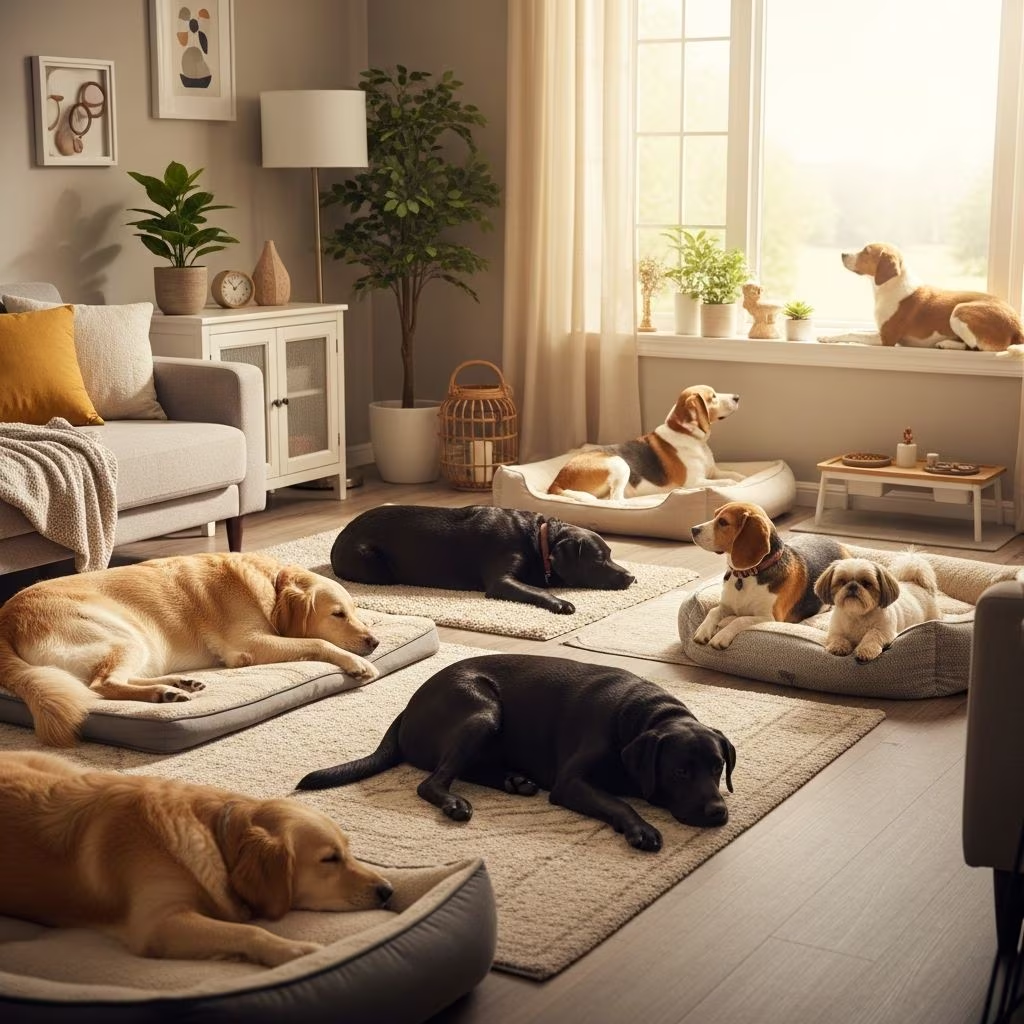
Bringing multiple dogs into your household can transform your life in wonderful ways, creating moments of joy, companionship, and enriched family experiences. However, the reality of caring for more than one canine companion extends far beyond the romantic notion of dogs playing together in a sunlit yard. Managing a multi-dog household requires thoughtful planning, consistent boundaries, and a strategic approach to daily routines that many first-time multi-dog owners underestimate.
The responsibilities multiply alongside each additional dog you welcome. You’ll navigate increased financial obligations for food, veterinary care, and supplies. You’ll need to allocate adequate time for training, exercise, and individual bonding with each pet. Perhaps most importantly, you’ll need to establish systems that prevent competition, resource disputes, and behavioral conflicts that can quickly escalate in a shared living space.
The Foundation: Thoughtful Pet Selection and Introduction
The journey toward a harmonious multi-dog home begins long before your new dog crosses the threshold. The chemistry between dogs varies dramatically, and some combinations simply work better than others. Rather than hoping compatibility will develop naturally, successful multi-dog households typically involve deliberate, careful selection based on temperament matching, age considerations, and energy level compatibility.
Before introducing a new dog to your existing pet, assess your current dog’s social tolerance and history with other canines. Some dogs have inherently social personalities and thrive in multi-dog environments, while others prefer being the sole focus of their owner’s attention. Understanding these fundamental personality traits prevents you from creating a stressful situation for all involved.
When introducing dogs, resist the urge to immediately place them together unsupervised. The introduction phase requires patience and careful management. Keep initial interactions brief and controlled, preferably in neutral territory rather than the established dog’s home. Watch for warning signs such as excessive tension, stiff body postures, or resource guarding behaviors that may indicate incompatibility.
Establishing Clear Leadership and Household Rules
Dogs thrive within structured environments where expectations are clear and consistent. In multi-dog households, this becomes even more critical because dogs often test boundaries when living with peers. Your role as a confident, fair leader helps all dogs understand the household rules and their place within the family dynamic.
Leadership doesn’t mean dominance or harsh corrections. Instead, it means being predictable, consistent, and establishing non-negotiable rules that apply equally to all household dogs. Rules might include respecting personal space on furniture, waiting patiently at doorways, or maintaining calm behavior during mealtimes. When every dog understands these expectations, daily interactions become more peaceful and predictable.
Reinforce household rules regularly through short training sessions, particularly during high-value moments like mealtimes. Brief daily practice with commands such as “down,” “wait,” and “look” strengthens your leadership position while keeping all dogs mentally engaged.
Strategic Resource Management and Separation
Resource competition represents one of the most significant sources of conflict in multi-dog households. Dogs may guard food, toys, sleeping areas, or even their owner’s attention, creating tension that can escalate into aggression if not properly managed. Rather than hoping dogs will naturally share, successful households proactively eliminate competition through thoughtful resource management.
Food and Water Management
Feeding dogs in separate locations prevents territorial disputes and food-guarding behaviors from developing. Set up designated feeding spots in quiet corners or separate rooms where each dog can eat without visual contact or competition from housemates. Remove bowls immediately after feeding rather than leaving them available throughout the day. This practice eliminates the resource for dogs to guard and reduces tension during meals.
Water bowls require different management strategies. Rather than providing a single water source, establish multiple water stations throughout your home in different locations. This ensures all dogs have access to hydration without creating bottlenecks or waiting situations that trigger guarding behaviors.
Toys and High-Value Items
Not all toys require the same management approach. Durable, low-value toys like tennis balls or rubber toys can often be left accessible to all dogs without creating conflict. However, high-value items such as rawhides, bones, puzzle toys, or squeaky toys should be reserved for times when dogs are separated, such as when crated or in different rooms.
Maintain duplicate copies of toys and accessories that all dogs enjoy. When each dog has their own bed, collar, leash, and regular toys, competition diminishes significantly. Rotating toys periodically helps maintain interest while preventing the perception that certain toys belong to specific dogs.
Comfortable Rest Spaces
Every dog needs a secure, comfortable space where they can retreat and relax without feeling the need to defend their territory. This might be a crate, a dedicated corner with a cushy bed, a specific room, or a heated mat in a quiet area. The key is ensuring each dog has a comparably appealing space so no dog feels disadvantaged.
When possible, rotate these spaces periodically to prevent any dog from developing an intense sense of ownership. If a particular spot becomes highly contested, manage access by temporarily keeping dogs separated or removing the disputed area until you’ve addressed the underlying tension through training and management.
Supervision and Separation Protocols
Even well-matched dogs shouldn’t be left unsupervised for extended periods, particularly during the early stages of living together. Dogs can develop conflicts over resources, territory, or social position that seem to emerge from nowhere. A conflict that escalates over hours while you’re absent can quickly destroy a previously peaceful relationship.
Implement a rotation system using crates, gates, or separate rooms to manage your dogs when you cannot actively supervise their interactions. This might mean crating dogs during work hours, separating them into different rooms at night, or maintaining a schedule where dogs spend time together only when you’re present to monitor and intervene if needed.
During supervised playtime, watch for signs of escalating tension or bullying behaviors. If one dog begins growling, mounting repeatedly, or refusing to allow the other dog access to certain areas, interrupt the interaction and separate them for several minutes. This prevents minor disagreements from becoming ingrained patterns of conflict. Conversely, praise dogs when they’re playing appropriately together, reinforcing peaceful coexistence.
Individual Attention and Bonding
One of the most overlooked aspects of multi-dog household management is the necessity of individual attention for each dog. While living together, dogs benefit tremendously from one-on-one time with their owner that’s separate from their housemates.
These special sessions don’t require elaborate planning. A ten-minute tug-of-war game, a solo car ride running errands, or a walk around the block separate from your other dogs all strengthen the individual bond between you and each pet. These sessions serve multiple purposes: they deepen your relationship with each dog, improve listening skills and responsiveness, and provide mental stimulation and physical activity outside the context of group dynamics.
Schedule regular individual time as deliberately as you would schedule other appointments. This consistency ensures no dog feels neglected and helps prevent attention-seeking behaviors or jealousy that could create tension between dogs. Dogs that feel secure in their individual bond with you are typically more confident and less territorial around housemates.
Training Multiple Dogs Effectively
Training in multi-dog households requires both individual and group components. Dogs need to understand commands and expectations both in isolation and when other dogs are present. A dog who responds perfectly to “sit” when alone may struggle with the same command when their housemate is racing around the yard.
Dedicate time to individual training sessions where each dog practices commands without distraction from other pets. This builds competence and confidence. Then gradually introduce low-level distractions, eventually progressing to training all dogs together. This progression helps dogs generalize commands across different contexts and teaches them to maintain focus despite environmental changes.
Certain skills prove particularly valuable in multi-dog households. Teaching dogs to go to designated spots on command provides a tool for managing space and preventing resource conflicts. Training a reliable recall helps you separate dogs quickly if a conflict begins brewing. Teaching impulse control around doorways and thresholds prevents the chaotic rushing that often precedes aggressive interactions.
Understanding and Managing Common Conflict Triggers
Certain situations reliably trigger conflict in multi-dog homes. Understanding these flashpoints allows you to proactively manage them rather than waiting for problems to develop.
- Doorways and Thresholds: Dogs frequently become overstimulated or territorial at entry points. Train all dogs to wait calmly when doors open rather than rushing through simultaneously.
- Attention Seeking: When one dog wants your attention and another prevents access, conflict emerges. Manage this by establishing a rotation system for interactive time.
- Play Escalation: Play that starts peacefully can escalate into aggression. Interrupt and separate dogs if play becomes too intense or one dog monopolizes interactions.
- Resource Access: Feeding time, toy distribution, and treat opportunities should be managed through separation protocols.
- Unfamiliar Dogs: Dogs that live together peacefully may still show territorial aggression toward visiting dogs. Always introduce unfamiliar dogs in neutral territory with careful management.
Family Involvement and Consistency
Every household member must participate in and understand multi-dog management protocols. If one family member allows a dog on furniture while others enforce that rule, dogs become confused and management breaks down. If some people separate high-value toys while others leave them accessible, resource-guarding behaviors develop.
Hold family meetings to establish household rules and discuss management strategies. Assign responsibilities so everyone understands their role in maintaining the peaceful environment. Children should understand appropriate dog handling, safe approaches during meals, and how to recognize warning signs that dogs need space.
Adapting as Life Changes
Dog dynamics shift throughout their lives as dogs age, as their health changes, or as family circumstances evolve. A dog that tolerated close quarters as a young dog may need more space as they age. A dog that previously lived peacefully with a housemate may become territorial or anxious as they experience health issues or cognitive decline.
Remain flexible and willing to adjust your management systems as your dogs’ needs change. What worked perfectly for five years may need modification when a dog experiences joint pain, hearing loss, or behavioral changes. Regular assessment of your multi-dog dynamics helps you catch potential problems early rather than allowing small tensions to develop into significant conflicts.
Frequently Asked Questions
How do I know if my dogs are compatible?
Compatible dogs typically display relaxed body language during interactions, take breaks from playing with each other naturally, and show no signs of guarding resources. They may not be inseparable friends, but they coexist peacefully and show no aggressive or territorial behaviors.
Can dogs living together safely play unsupervised?
While some well-matched dogs may eventually be trusted unsupervised for short periods, most multi-dog households benefit from supervised play, particularly during the early phases of living together. Even friendly dogs can have conflicts that escalate quickly without human intervention.
What should I do if my dogs start fighting?
Immediately separate them into different rooms or crates and do not attempt to physically intervene unless you can do so safely. Once separated, allow a cool-down period of several hours before attempting any reintroduction. Consult a professional trainer if fights occur regularly.
Is it better to have dogs of different ages or similar ages?
Dogs of different ages can work well together, as age gaps often reduce competition over social status. A senior dog and a young dog frequently coexist more peacefully than two dogs in their prime years. However, individual temperament matters more than age.
Building Your Multi-Dog Success Strategy
Creating a harmonious multi-dog household requires commitment, consistency, and realistic expectations. Rather than viewing your dogs as a bonded pair that should entertain each other, think of them as separate individuals who happen to share your space. This mindset shift helps you implement the management strategies that prevent conflict and build peaceful coexistence.
Success comes from accepting that peace in a multi-dog home is often achieved through thoughtful separation and resource management, not constant togetherness. Embrace the systems that work for your specific dogs, adjust as needed, and remember that a well-managed multi-dog household provides benefits for every dog involved.
References
- 6 Tips for Managing a Household With Multiple Dogs — PrideBites. Accessed March 31, 2026. https://pridebites.com/blogs/barking-post-blog/6-tips-for-managing-a-household-with-multiple-dogs
- Multi-Dog Homes — BADRAP (Bay Area Dog Rescue Advocacy Programs). Accessed March 31, 2026. https://badrap.org/training-resources/multi-dog-homes/
- Tips for Managing a Multi-Dog Household — East Bay SPCA. 2024. https://eastbayspca.org/wp-content/uploads/2024/05/Multi-Dog-Household-Tips.pdf
- Managing a Multi Dog Household — Taysia Blue Rescue. Accessed March 31, 2026. https://taysiablue.com/resources/managing-a-multi-dog-household
- A Practical Guide to Multi-Dog Living: Why Avoiding the Hard Things Is Just Fine — Red Pointy Dog. Accessed March 31, 2026. https://www.redpointydog.com/post/a-practical-guide-to-multi-dog-living-why-avoiding-the-hard-things-is-just-fine



