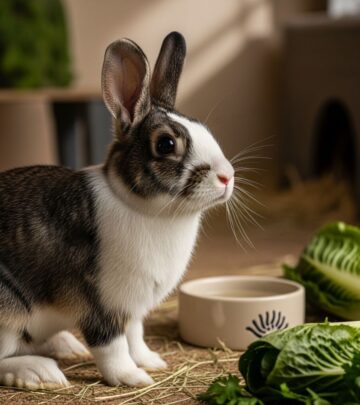
Harlequin Rabbit Care: Your Guide To Healthy, Happy Bunnies
Discover expert tips for nurturing a healthy, happy Harlequin rabbit with proper housing, diet, grooming, and health care essentials.
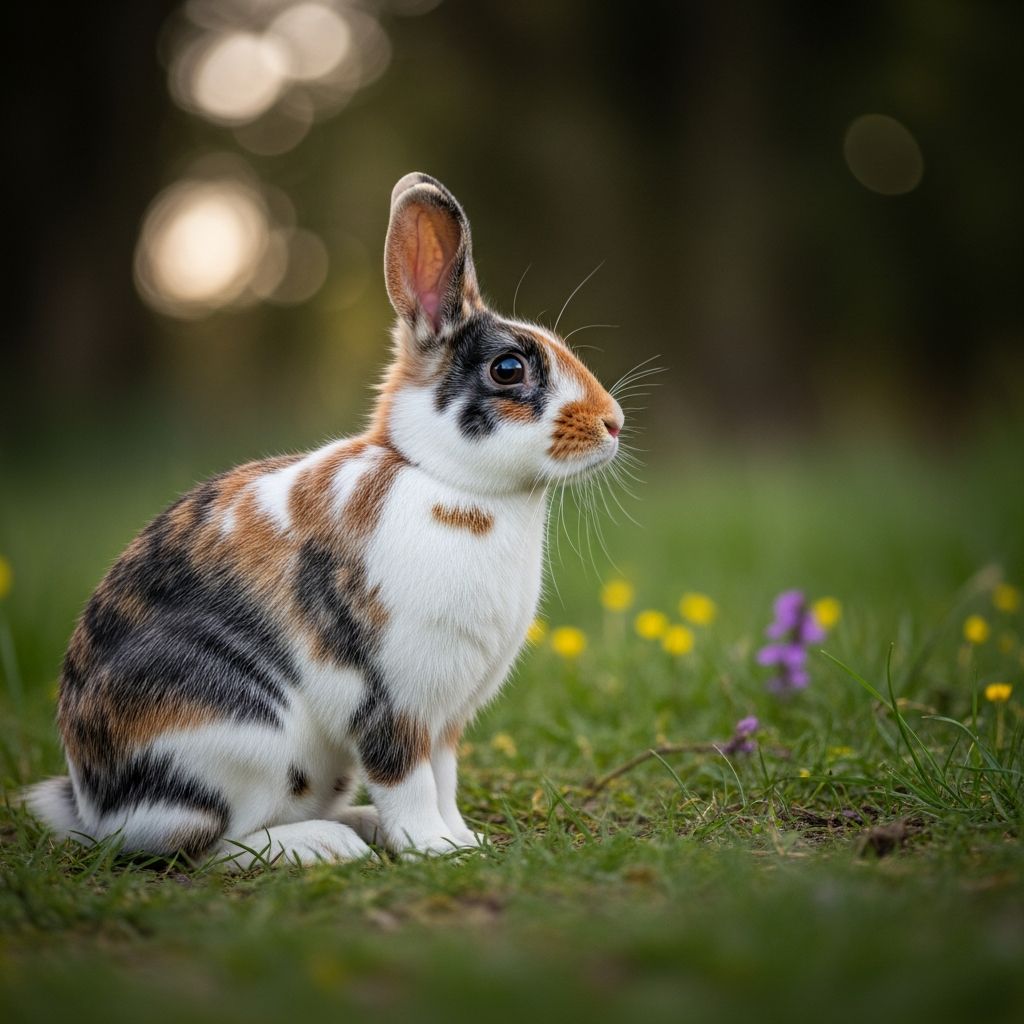
Harlequin Rabbit Care Guide
Harlequin rabbits, with their striking tricolor patterns of orange, black, and white, make delightful companions for families and individuals alike. Known for their friendly demeanor and playful energy, these medium-sized bunnies thrive when provided with attentive care tailored to their specific needs. This guide explores everything from creating the ideal living space to monitoring health, ensuring your Harlequin lives a long, vibrant life spanning 8 to 12 years.
Understanding the Harlequin Rabbit Breed
Originating from France in the early 1900s, Harlequin rabbits were developed by crossing Beveren and Dutch rabbits, resulting in their distinctive coat that features bold, contrasting colors arranged in a unique, harlequin-like pattern along their sides. Adults typically weigh between 6.5 and 9.5 pounds, making them a manageable size for most households. Their sociable nature suits them well for homes with respectful children or other calm pets, as they enjoy interaction but appreciate gentle handling to avoid stress.
These rabbits are active and curious, often displaying affectionate behaviors like flopping onto their sides or performing joyful binkies—sudden leaps and twists in the air. Early socialization helps them bond strongly with owners, fostering a rewarding pet-owner relationship.
Setting Up the Perfect Living Environment
A suitable home is foundational for your Harlequin’s well-being. Indoor housing is preferable for better health outcomes, protection from predators, and consistent temperature control. Aim for an enclosure at least 3 feet long, 2 feet wide, and 2 feet high, with added platforms or ramps for vertical exploration to mimic their natural hopping instincts.
- Enclosure types: Wire-bottom cages allow droppings to fall through for easier cleaning, but include resting mats to prevent foot sores. Hutches work outdoors if elevated, predator-proofed with secure latches, and shielded from direct sun, rain, or wind.
- Temperature guidelines: Keep between 60-70°F (15-21°C). Bring indoors if below freezing or above 80°F to prevent heatstroke or hypothermia.
- Bedding choices: Opt for paper-based products like Carefresh to avoid respiratory irritation from cedar or pine shavings, which release harmful aromatic oils.
Rabbit-proof your space by blocking cords, removing toxic plants, and securing baseboards. Daily spot-cleaning and weekly full changes prevent ammonia buildup, a common respiratory irritant.
Nutrition Essentials for Optimal Health
A balanced diet supports digestion, dental health, and energy levels. Hay forms 80-90% of their intake, promoting natural grinding of ever-growing teeth.
| Food Type | Daily Amount (per 2 lbs body weight) | Examples & Notes |
|---|---|---|
| Hay | Unlimited | Timothy for adults; alfalfa for kits/pregnant does (higher calcium/protein) |
| Leafy Greens | 1 cup | Romaine, parsley (limit high-calcium like kale to avoid stones) |
| Vegetables | 1 tablespoon | Zucchini, bell peppers; carrots as treats only (high sugar) |
| Pellets | 1/8 cup | High-fiber, timothy-based; measure by age/weight |
| Water | Always available | Fresh daily; offer bowl and bottle to determine preference |
Introduce new foods gradually to prevent GI upset. Pellets provide concentrated nutrients but should not exceed 5% of diet. Fresh water is critical—check twice daily, more in heat. Store feed in sealed containers to deter pests, using only bags milled within six months for freshness.
Daily Exercise and Mental Stimulation
Harlequins need 3-4 hours of supervised out-of-cage time daily in a secure, proofed area. This prevents obesity, boredom, and destructive chewing.
- Enrich with tunnels, dig boxes filled with shredded paper, and chew toys like untreated apple branches.
- Rotate toys weekly to maintain interest; hiding treats encourages foraging instincts.
- Social play: Gentle petting sessions build trust; pair with compatible rabbits only after vet quarantine.
Exercise supports strong bones and cardiovascular health, reducing risks like pododermatitis (sore hocks) from inactivity.
Grooming Routines for a Glossy Coat
Short-haired Harlequins require moderate upkeep. Brush 1-2 times weekly with a soft slicker brush to remove loose fur, increasing to daily during spring/fall molts to ingest less hair and avoid stasis.
- Nail trims: Every 4-6 weeks; use rabbit-specific clippers, avoiding the quick (pink vein).
- Spot cleaning: Damp cloth or wipes for dirt; full baths only if essential, as water stresses them.
- Ear/eye checks: Weekly wipe outer ears; monitor for discharge.
Regular grooming bonds you with your pet while catching issues early.
Common Health Concerns and Prevention
Harlequins are hardy but share breed-typical vulnerabilities. Vigilance saves lives, as rabbits mask illness.
Respiratory Infections
Symptoms: Sneezing, nasal discharge, lethargy. Causes include poor bedding/hygiene. Prevent with paper bedding, frequent cleaning, and draft-free housing.
Dental Overgrowth
Signs: Drooling, weight loss, selective eating. High-fiber diet and chews keep teeth aligned. Vet filing if needed.
Parasites like Cheyletiella (Walking Dandruff)
Contagious to humans/pets; symptoms itchy flakes. Treat with vet meds; disinfect cage thoroughly, discard porous items.
Annual vet checkups, spaying/neutering (reduces cancer/aggression), and quarantine new rabbits are key.
Breeding and Reproduction Insights
Does reach maturity at 6 months; litters average 4-6 kits after 31-day gestation. Provide nest box with hay; separate post-weaning at 4-8 weeks. Responsible breeding requires space/expertise; most pets are better fixed.
Integrating Harlequins into Family Life
Supervise with kids for gentle interactions. They coexist with cats/dogs if introduced slowly. Litter training succeeds with corner boxes using hay-pellet mix.
Frequently Asked Questions
Are Harlequin rabbits beginner-friendly?
Yes, their calm temperament and low grooming needs suit novices.
Can they live outdoors year-round?
Possible with protection, but indoors promote longevity.
How do I know if my rabbit is sick?
Watch for appetite loss, abnormal poop, or hiding.
What treats are safe?
Small pieces of apple or herbs; avoid yogurt drops (lactose issues).
Daily Care Checklist
- Refresh hay/water
- Offer greens/veggies
- 3-4 hours playtime
- Spot clean enclosure
- Observe behavior/appetite
References
- Harlequin Rabbit – PetMD — PetMD. 2023. https://www.petmd.com/rabbit/breeds/harlequin-rabbit
- ARBA Recommendations for the Care of Rabbits and Cavies — American Rabbit Breeders Association. 2019-05-01. https://arba.net/wp-content/uploads/2019/05/rabbit-care-recommendations.pdf
- The Harlequin Rabbit – The Facts — Home & Roost. 2023. https://homeandroost.co.uk/blogs/rabbits/harlequin-rabbit-breed-facts
Similar Articles








Read full bio of medha deb