

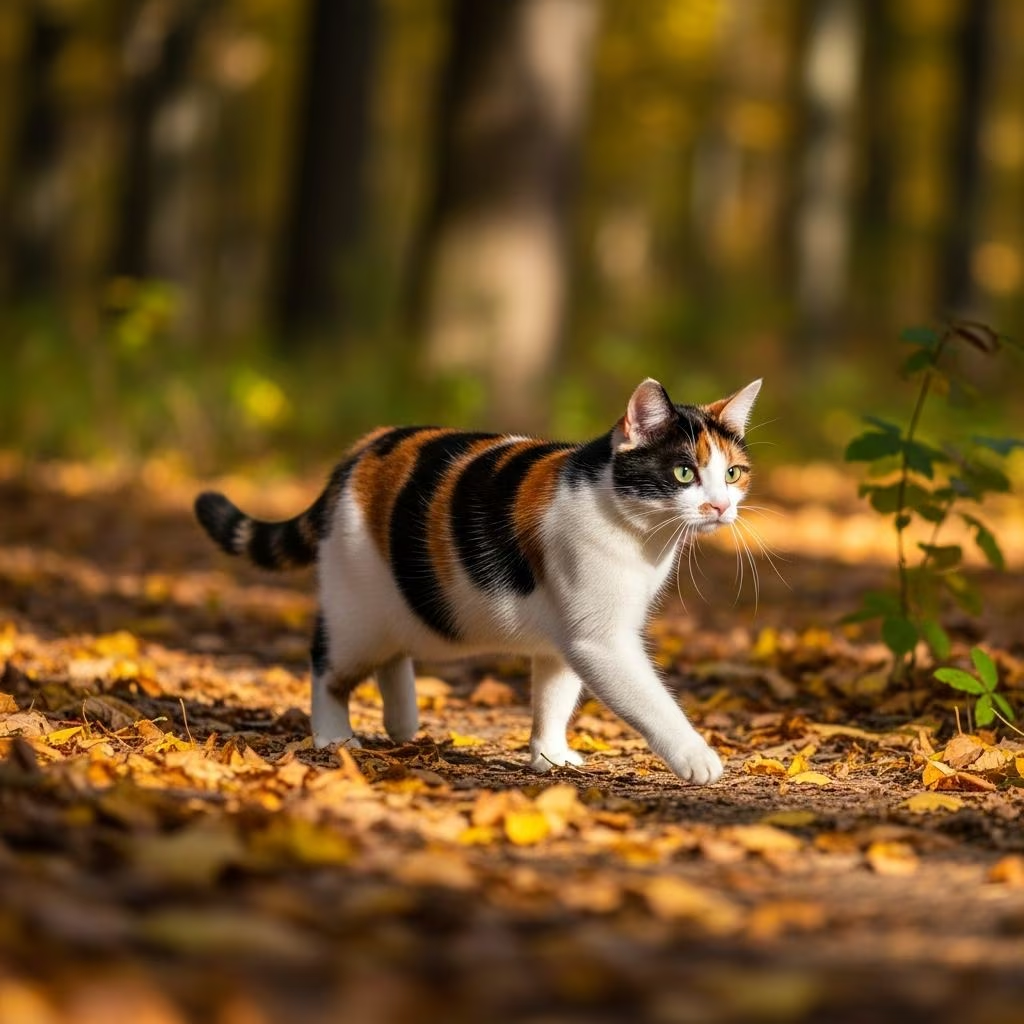
Harlequin cats captivate with their striking appearance, featuring a coat that is mostly white adorned with bold patches of color. This pattern, known as harlequin, distinguishes them through a balance of white fur covering 50-75% of the body and distinct colored areas primarily on the head, body, and tail. Unlike uniform breeds, harlequins appear across various types, making them a beloved choice for cat enthusiasts seeking visual flair and personality.
Defining the Harlequin Coat Pattern
The harlequin pattern falls under bicolor or piebald categories, where white dominates alongside one or two other hues. According to feline standards from organizations like the Fédération Internationale Féline, true harlequins display well-separated color patches, with the tail matching the body’s colored sections solidly. This creates a dramatic contrast, evoking the patchwork costumes of harlequin characters from theater.
Bi-color harlequins pair white with a single shade, such as black, blue (diluted gray), red, cream, chocolate, or fawn. Tri-color versions incorporate combinations like black and orange on white, resembling calico but with larger, defined patches rather than blended tortoiseshell mixes.
Variations in Harlequin Coloring
Harlequin cats showcase diverse color pairings beyond basic black-and-white. Common combinations include:
- Black and white: Classic and prevalent, with sharp patches on ears, tail, and back.
- Red (orange) and white: Vibrant ginger spots against pristine white fur.
- Blue (gray) and white: Softer, diluted tones for a subtle elegance.
- Chocolate or lilac and white: Rare brown shades adding warmth.
- Tabby harlequins: White base with mackerel-striped, classic swirled, spotted, or ticked tabby patches featuring the signature ‘M’ forehead mark.
Calico harlequins blend black, orange, and white in grouped patches, while the tail remains uniformly patterned to match body spots. These variations ensure no two harlequins look exactly alike, enhancing their individuality.
Genetic Basis of the Harlequin Look
The harlequin pattern stems from the piebald spotting gene (S), which suppresses pigment in large areas, leaving white expanses. For 50-75% white coverage defining harlequins, cats must be heterozygous (Ss), balancing white with color. Tri-colors require additional genetics from the orange gene (O), exclusive to females due to X-chromosome linkage, explaining why most calico harlequins are female.
Breeders select for this trait in pedigreed lines, but it frequently appears in domestic shorthairs, highlighting its genetic robustness across populations.
Popular Breeds Featuring Harlequin Patterns
While not a breed itself, the harlequin coat graces several purebreds and mixes. Here’s a breakdown of standout examples:
| Breed | Typical Harlequin Traits | Personality & Care | Weight & Lifespan |
|---|---|---|---|
| Turkish Van | Mostly white with head, ear, and tail patches; loves water. | Playful, loyal followers; weekly grooming. | 7-20 lbs; 13-18 years |
| British Shorthair | Short plush coat, black-and-white teddy bear look. | Laid-back, affectionate; weekly brushing. | 9-18 lbs; 12-20 years |
| Norwegian Forest Cat | Long fur, white underbelly with back spots. | Dog-like devotion, active; frequent grooming. | 12-20 lbs; 12-16 years |
| Persian | Long silky fur, high white percentage. | Mellow, loving; daily grooming essential. | 7-12 lbs; 12-17 years |
| Sphynx | Nearly hairless with skin patches. | Silly, social; weekly baths. | |
| Japanese Bobtail | Bobbed tail, playful tabby patches. | Energetic, cuddly; low grooming. | |
| Colorpoint Shorthair | Colorful points on white; vocal Siamese mix. | Outgoing, chatty; moderate grooming. |
Domestic shorthairs often sport harlequin coats, available in shelters, offering mixed vigor and adaptability.
Temperament and Lifestyle Fit
Harlequin cats inherit traits from their breeds but share sociable tendencies. British Shorthairs offer calm companionship, while Turkish Vans bring adventurous energy. Many thrive with families, dogs, and other cats if socialized early. Sphynx harlequins, with minimal fur, suit allergy-prone homes, needing skin care over brushing.
These cats often bond deeply, shadowing owners like Norwegian Forest types or vocally engaging like Colorpoint Shorthairs. They adapt to apartments if provided play outlets, balancing independence with affection.
Health Considerations for Harlequin Cats
The harlequin pattern poses no inherent health risks; it’s cosmetic. However, breeds vary: Persians face breathing issues from flat faces, while Norwegian Forests risk hypertrophic cardiomyopathy. White-dominant cats with two epistatic white genes (WW) risk deafness, but harlequins (Ss) rarely do.
General care includes balanced diet, vaccinations, spaying/neutering, and dental checks. Monitor for obesity in stocky breeds like British Shorthairs.
Grooming Routines Tailored to Coat Type
Grooming depends on fur length:
- Shorthairs (British, Colorpoint): Weekly brushing reduces shedding.
- Longhairs (Persian, Norwegian): Daily combing prevents mats; spring shedding demands extra attention.
- Hairless (Sphynx): Bath weekly to remove oils; warm water only.
- All types: Nail trims biweekly, ear cleaning monthly.
Harlequin patterns highlight grooming needs, as white fur shows dirt easily.
Bringing Home a Harlequin Companion
Adopt from shelters where domestic harlequins abound, or buy from reputable breeders verifying pedigrees. Prepare with scratching posts, litter boxes (one per cat plus one), and elevated perches. Kittens need gradual introductions; adults settle faster.
Cost: Shelter fees $50-200; pedigreed $800-2000+. Annual expenses: $500-1000 for food, vet, litter.
Fun Facts and Myths Debunked
- Harlequins aren’t rarer than other patterns; genetics make them common in mixes.
- Myth: All-white harlequins are deaf—only pure WW cats risk it.
- Turkish Van harlequins’ swimming love traces to Lake Van origins.
- Japanese Bobtails historically guarded silk worms.
Frequently Asked Questions
What defines a harlequin cat?
A harlequin cat has 50-75% white fur with distinct colored patches on the body, head, and solid-color tail.
Are harlequin cats a specific breed?
No, it’s a coat pattern seen in breeds like Turkish Van, British Shorthair, and domestics.
Do harlequin patterns affect health?
No direct impact; health ties to breed-specific issues.
Can harlequin cats be hypoallergenic?
Sphynx versions produce fewer allergens due to minimal fur.
How to care for a harlequin kitten?
Socialize early, provide toys, follow breed grooming, and schedule vet visits.
References
- 8 Beautiful Harlequin Cats Breeds (And Important Facts About Them) — AdoptAPet.com. 2023. https://www.adoptapet.com/blog/breeds/harlequin-cats-breeds
- Understanding harlequin cats: A guide to their distinctive coat pattern — CatExplore.com. 2022-05-13 (updated). https://catexplore.com/harlequin-cats-explained/
- What is a harlequin cat? | Dial A Vet — DialAVet.com. 2024. https://www.dialavet.com/vet-answers/harlequin-cat-coloring-pattern-48458
- Harlequin Cat: Info, Pictures, Origin & History — Hepper.com. 2024. https://articles.hepper.com/harlequin-cat/



