

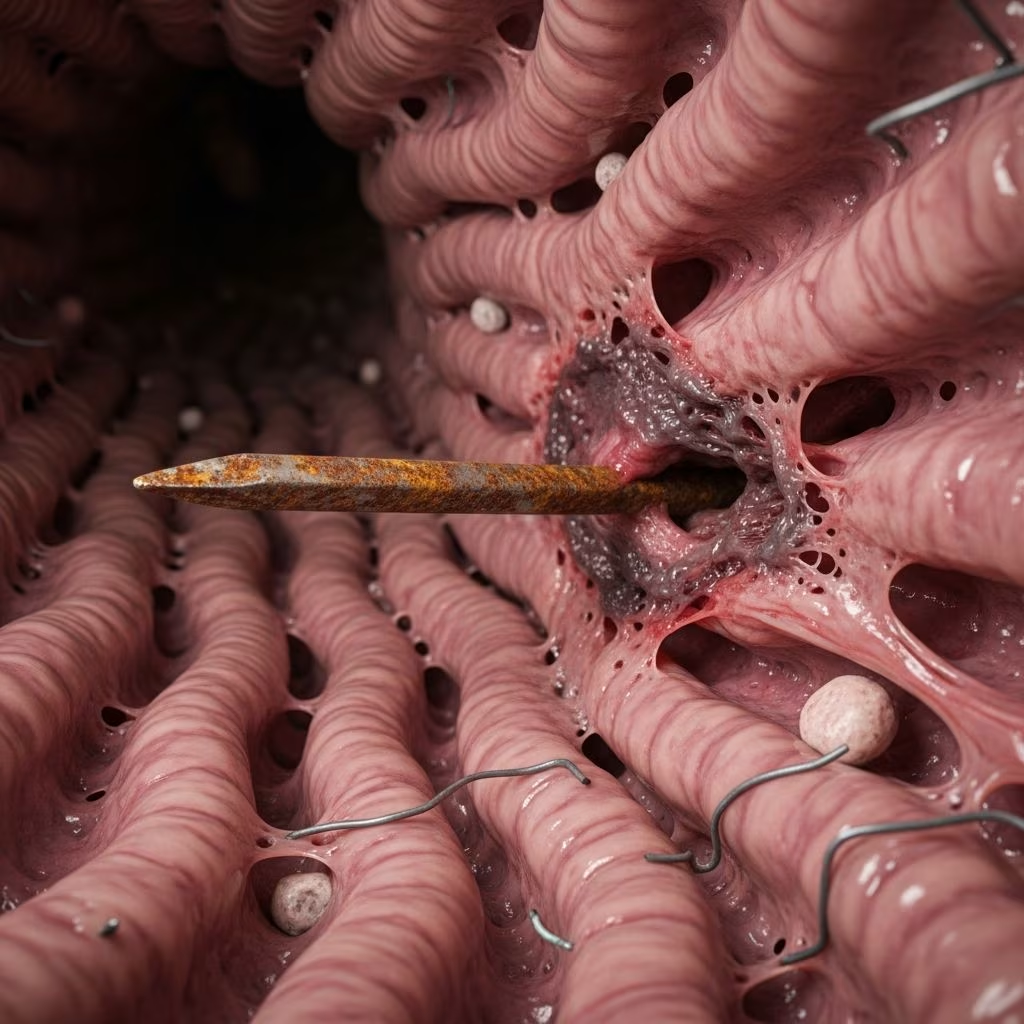
Hardware disease, also known as traumatic reticuloperitonitis, is a significant health challenge in cattle farming. It arises when sharp metallic objects, such as nails or wire fragments, penetrate the reticulum—a key part of the ruminant stomach—triggering inflammation and potential severe complications. This condition disrupts normal digestion, reduces productivity, and can prove fatal if untreated. Understanding its mechanisms, recognition, and control is essential for livestock managers aiming to protect animal welfare and economic viability.
The Anatomy of Vulnerability in Ruminants
Cattle possess a complex four-compartment stomach system, with the reticulum serving as the second chamber. Positioned near the diaphragm, it features honeycomb-like walls that trap foreign materials during rumination. While this structure aids digestion, it also makes the reticulum susceptible to injury from ingested debris. Common litter in pastures and feedlots, including discarded fencing or machinery parts, provides the culprits. During events like calving or heavy exertion, these objects can shift and pierce the wall, spilling rumen contents into the abdomen.
This perforation introduces bacteria-laden ingesta into the sterile peritoneal space, sparking an inflammatory cascade. Initially localized, the reaction often forms adhesions—fibrous bands tethering organs together—altering motility and function. In advanced stages, infection spreads, potentially involving the liver, spleen, heart, or lungs.
Recognizing Acute Symptoms
Early detection hinges on observing behavioral and physiological shifts. Affected animals abruptly cease eating, showing sharp declines in feed consumption and, for dairy cows, milk output—sometimes dropping from peak levels to negligible amounts within hours. Rumen activity halts, leading to mild bloating and irregular contractions detectable by auscultation.
- Posture changes: Cows adopt a hunched stance with elbows abducted, back arched to minimize abdominal strain.
- Pain indicators: Grunting or teeth grinding during movement, defecation, or position changes.
- Vital signs: Mild fever (up to 104°F), elevated heart rate, shallow breathing.
- Fecal output: Dry, scant feces indicating constipation or poor digestion.
These signs peak 2-3 days post-penetration before adhesions stabilize the lesion, masking acute pain. Farmers often note cows lagging behind the herd, resisting sharp turns, or displaying a tense abdomen.
Progression to Chronic Illness
If unresolved, the disorder evolves into a protracted state. Animals endure intermittent flare-ups amid general debility: progressive weight loss, sporadic appetite loss, and persistent low productivity. Ruminal stasis recurs, accompanied by loose or undigested manure. Over weeks or months, cachexia sets in, compounded by secondary issues like vagal nerve dysfunction, which impairs gut motility.
Chronic cases evade notice until slaughter or necropsy reveals adhesions or abscesses. Productivity suffers long-term, with dairy yields remaining subpar and beef cattle failing to thrive.
Serious Complications and Secondary Conditions
Beyond initial peritonitis, hardware disease spawns life-threatening sequelae. Migration of the foreign body through the diaphragm can infect the pericardium, causing traumatic pericarditis—a pus-filled sac around the heart. Signs include brisket edema, jugular distension, muffled heart sounds, and profound weakness.
| Complication | Key Features | Prognosis |
|---|---|---|
| Pericarditis | Edema under jaw/brisket, weak pulse | Poor; often fatal |
| Liver/Spleen Abscesses | Intermittent fever, weight loss | Guarded |
| Pleuritis/Pneumonia | Coughing, respiratory distress | Variable |
| Vagal Indigestion | Bloated rumen, scant feces | Fair with intervention |
Generalized peritonitis, though rarer, overwhelms the system with diffuse inflammation.
Diagnostic Approaches
Veterinarians employ a multi-faceted strategy. History of recent calving or environmental exposure raises suspicion. Physical exams focus on pain elicitation:
- Withers pinch: Grasping skin behind shoulders provokes grunting.
- Xiphoid pressure: Firm push on sternum elicits discomfort.
- Percussion: Tapping left flank over reticulum causes audible pain response.
These tests are positive in over half of cases but require caution, as similar reactions occur in other abdominal pathologies. Ultrasonography reveals echogenic lesions, fluid pockets, or fibrin strands in the reticulum area, confirming effusion or abscesses. Radiography or peritoneal fluid analysis aids in complex diagnostics.
Treatment Modalities
Management splits into conservative and invasive paths. For mild or chronic instances, oral rumen magnets capture loose metal, paired with broad-spectrum antibiotics to curb infection. Anti-inflammatories alleviate pain, while fluids support hydration.
Surgical rumenotomy offers definitive relief: under anesthesia, the reticulum is accessed via left-flank incision, foreign bodies extracted, and the site lavaged. Success rates exceed 80% in acute cases, though adhesions complicate surgery in chronics. Post-op care includes antimicrobials and monitoring for peritonitis.
Prevention Strategies for Herd Health
Proactive measures curtail incidence. Routine magnet administration to calves and adults—via balling gun—traps metal before migration. Hay quality control, pasture cleanup, and feed bunk vigilance minimize ingestion risks. Postpartum monitoring during straining-prone periods is critical.
- Install magnets in all first-lactation heifers.
- Regular debris removal from grazing areas.
- Educate staff on early pain sign recognition.
Frequently Asked Questions (FAQs)
What causes hardware disease in cattle?
Ingestion of sharp metals like wire or nails, which lodge in the reticulum and penetrate during movement or straining.
How quickly do symptoms appear?
Acute signs emerge suddenly within days of penetration, while chronic forms develop gradually.
Is surgery always necessary?
No; magnets and antibiotics suffice for many, but rumenotomy is indicated for severe or complicated cases.
Can hardware disease affect beef cattle?
Yes, though more documented in dairy due to closer monitoring; beef herds suffer silently with thrift loss.
How effective are preventive magnets?
Highly, often capturing multiple objects and reducing perforation risk substantially.
Impact on Farm Economics
Hardware disease exacts a toll beyond animal suffering. Lost milk (up to 90% drop acutely), culling, vet fees, and treatment downtime aggregate significant costs. Preventive programs yield rapid ROI via sustained productivity. Early intervention preserves herd value, underscoring vigilance’s worth.
References
- Traumatic Reticuloperitonitis in Cattle — Merck Veterinary Manual. 2023-10-15. https://www.merckvetmanual.com/digestive-system/diseases-of-the-ruminant-forestomach/traumatic-reticuloperitonitis-in-cattle
- Hardware Disease – Large Animal Surgery — University of Minnesota Libraries Publishing. 2022-08-01. https://open.lib.umn.edu/largeanimalsurgery/chapter/hardware-disease/
- Traumatic Reticulitis (Wire) — NADIS Animal Health Skills. 2023-05-20. https://www.nadis.org.uk/disease-a-z/cattle/traumatic-reticulitis-wire/
- Traumatic Reticuloperitonitis — Veterinary Handbook. 2024-01-10. https://www.veterinaryhandbook.com.au/Diseases.aspx?diseasenameid=271
- Hardware Disease in Cattle: Causes, Symptoms, and Solutions — Gursky Veterinary Services. 2023-11-05. https://www.gurskyvet.com/blog/hardwaredisease
- Cow-Calf Corner: Hardware Disease in Beef Cattle — Texas & Southwestern Cattle Raisers Association. 2024-02-12. https://tscra.org/cow-calf-corner-hardware-disease-in-beef-cattle/



