

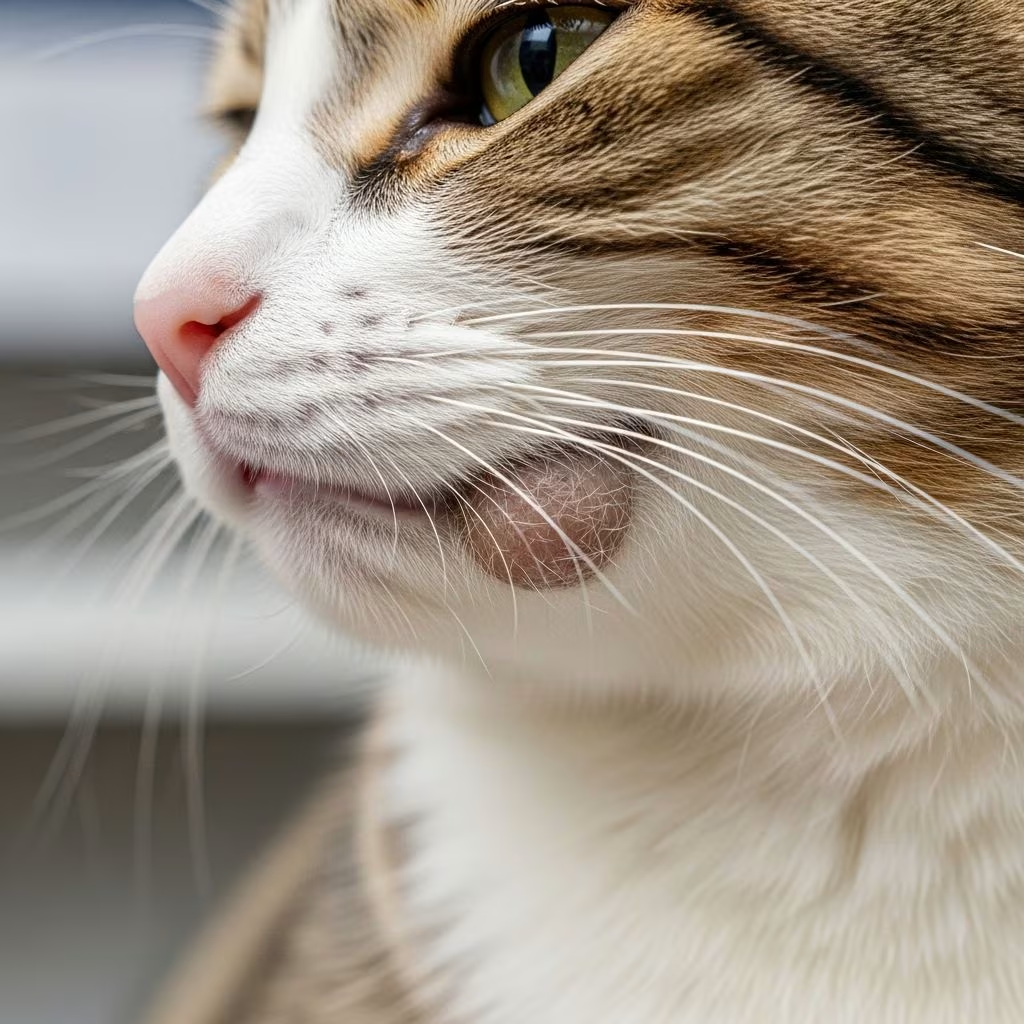
A hard lump on your cat’s lower jaw can be alarming for any pet owner. These masses may range from benign dental issues to serious conditions like cancer, requiring prompt veterinary evaluation to ensure your cat’s health and comfort.
What Causes a Hard Lump on a Cat’s Lower Jaw?
Hard lumps on a cat’s lower jaw often stem from various underlying issues, including infections, dental problems, benign growths, or malignant tumors. Identifying the cause early is crucial for effective treatment.
Dental Disease and Abscesses
Dental disease is a leading cause of jaw lumps in cats. Tooth root abscesses form when bacterial infections at the tooth root create pus-filled pockets, resulting in firm, painful swellings on the jaw. These often develop from untreated periodontal disease, fractured teeth, or foreign bodies lodged in the mouth. Cats may paw at the area or show reluctance to eat due to pain.
Cysts and Benign Growths
Cysts, such as dentigerous cysts around unerupted teeth, can present as hard masses. These fluid-filled or solid structures are usually benign but may grow and cause discomfort. Skin cysts or granulomas from chronic inflammation can also mimic jaw lumps, feeling firm or gritty.
Tumors: Benign and Malignant
Tumors account for many persistent hard lumps. Benign options include fibromas or ossifying epulis, which are firm, rubbery growths on the gums or jaw. Malignant tumors like squamous cell carcinoma (SCC) or osteosarcoma are more common in older cats, causing hard bony swellings, bone erosion, and invasion into surrounding tissues. Oral SCC often starts as a lump on the lower jaw or tongue, progressing rapidly. Fibrosarcomas and mast cell tumors may also appear as firm masses.
Infections and Trauma
Bacterial infections from fights lead to abscesses, which feel warm and hard initially before softening. Trauma, such as bites or injuries, can cause hematomas—blood-filled lumps that harden over time. Fungal infections or eosinophilic granulomas from allergies may present similarly.
Other Causes
Rarely, allergic reactions, insect stings, or metabolic issues like hyperthyroidism contribute to swelling. Basal cell tumors, common on the head and neck, can form small firm lumps.
Symptoms Associated with a Hard Lump on Your Cat’s Jaw
Beyond the visible lump, watch for these signs indicating a problem:
- Drooling or bloody saliva: Common with oral pain or ulcers from tumors.
- Difficulty eating or weight loss: Painful chewing leads to reduced appetite.
- Bad breath (halitosis): Indicates infection or necrosis in tumors.
- Facial swelling or asymmetry: Especially with jaw osteosarcoma.
- Pawing at the mouth or reluctance to groom: Due to discomfort.
- Lethargy, fever, or lameness: Systemic signs of infection or advanced cancer.
If the lump grows quickly, changes texture, or accompanies these symptoms, seek immediate care.
Diagnosis of a Hard Lump on a Cat’s Lower Jaw
Veterinarians use a multi-step approach to diagnose jaw lumps accurately.
- Physical Exam: Palpation checks lump size, firmness, pain, and mobility. Oral inspection reveals ulcers, loose teeth, or masses.
- Imaging: Dental radiographs detect root abscesses, bone loss, or tumors like osteosarcoma. CT or MRI assesses tumor extent.
- Biopsy/Fine-Needle Aspirate: Essential for confirming cancer vs. infection. Tissue analysis identifies cell types.
- Bloodwork/Urinalysis: Rules out systemic disease or infection.
Early diagnosis improves outcomes, especially for aggressive cancers.
Treatment Options for a Hard Lump on Your Cat’s Lower Jaw
Treatment depends on the cause, with options ranging from conservative to surgical.
Antibiotics and Drainage for Abscesses
Abscesses require lancing, flushing, and antibiotics like clindamycin. Dental extractions resolve root issues.
Surgical Removal for Benign Growths
Cysts or benign tumors are excised, often with tooth removal. Prognosis is excellent if caught early.
Cancer Treatments
Squamous Cell Carcinoma: Aggressive surgery (mandibulectomy) removes part of the jaw, followed by radiation or chemo. Palliative care focuses on pain relief.
Osteosarcoma: Amputation or jaw resection if localized; chemo for metastasis. Pain management is key.
Median survival for oral SCC is 2-6 months post-surgery.
| Condition | Treatment | Prognosis |
|---|---|---|
| Abscess | Drainage + Antibiotics | Excellent |
| Benign Cyst/Tumor | Surgical Excision | Good |
| SCC | Mandibulectomy + Radiation | Poor (months) |
| Osteosarcoma | Resection + Chemo | Guarded |
Palliative and Supportive Care
Pain meds (buprenorphine), soft food, feeding tubes, and appetite stimulants aid recovery. Regular monitoring prevents recurrence.
When to See a Vet for a Hard Lump on Your Cat’s Jaw
Never ignore a new or growing jaw lump. See a vet immediately if accompanied by drooling, eating issues, or swelling. Measure and photo-document the lump weekly. Delays worsen prognosis for malignancies. Emergency if breathing difficulty or severe pain occurs.
Prevention Tips for Jaw Lumps in Cats
Minimize risks through:
- Regular dental cleanings and checkups.
- Dental diets/toys to reduce plaque.
- Indoor living to avoid fights/abscesses.
- Early cancer screening in seniors.
- Parasite control for insect-related swellings.
Frequently Asked Questions (FAQs)
Is a hard lump on my cat’s jaw always cancer?
No, common causes include abscesses and dental disease, but biopsy confirms.
How quickly does a jaw tumor grow in cats?
SCC grows rapidly over weeks; benign lumps slower.
Can cats live with a jaw tumor?
With treatment, some survive months; palliative care maintains quality of life.
What does a tooth root abscess feel like?
Firm, painful swelling under the jaw, often with bad breath.
Should I squeeze the lump?
No, it risks rupture and spreading infection. See a vet.
This comprehensive guide equips you to address a hard lump on your cat’s lower jaw promptly. Always consult a veterinarian for personalized advice.
References
- Oral Masses in Cats – Causes, Treatment and Associated Symptoms — Vetster. 2023. https://vetster.com/en/symptoms/cat/oral-masses
- Osteosarcoma in Cats — VCA Animal Hospitals. 2023. https://vcahospitals.com/know-your-pet/osteosarcoma-in-cats
- A Large Lump Appeared On My Cat Overnight, What Do I Do? — Cheyenne Pets. 2023. https://cheyennepets.com/blog/a-large-lump-appeared-on-my-cat-overnight-what-do-i-do/
- Understanding Oral Cancer in Cats: Causes, Symptoms, and … — WellPets. 2023. https://www.wellpets.com/blog/207-cat-oral-cancer-symptoms-and-causes/
- Cat Skin Lumps, Bumps, and Cysts — PetMD. 2023. https://www.petmd.com/cat/symptoms/cat-skin-lumps-bumps-and-cysts
- Tumors of the Skin in Cats – Cat Owners — Merck Veterinary Manual. 2023. https://www.merckvetmanual.com/cat-owners/skin-disorders-of-cats/tumors-of-the-skin-in-cats
- Oral Squamous Cell Carcinoma — Mar Vista Animal Medical Center. 2023. https://www.marvistavet.com/oral-squamous-cell-carcinoma.pml



