

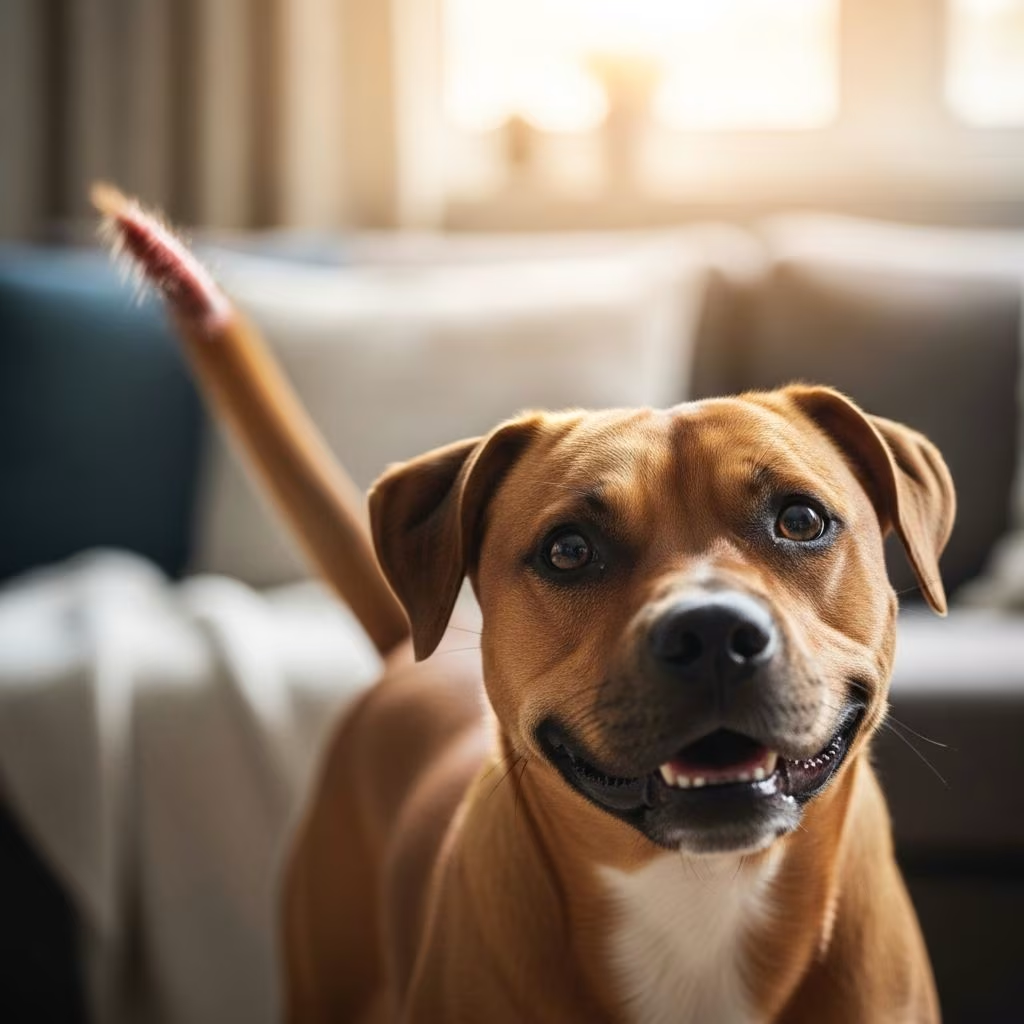
Happy tail syndrome represents a common yet distressing injury in dogs where enthusiastic tail wagging results in repeated trauma to the tail tip. This condition primarily affects larger breeds with muscular, slender tails that strike hard surfaces like walls or furniture during moments of excitement. Owners often discover blood spots or notice their dog’s discomfort before understanding the cause. Early recognition and intervention are crucial to prevent chronic issues such as infections or the need for tail amputation.
Understanding the Mechanics of Happy Tail Injuries
The tail serves as a key indicator of a dog’s emotional state, wagging vigorously during play, greetings, or anticipation of walks. In susceptible dogs, this motion generates significant force, especially at the narrow tip where skin is thin and hair is sparse. Repeated impacts lead to abrasions that crack open, bleed profusely, and fail to heal due to ongoing movement. Unlike limber tail, which involves muscle strain, happy tail focuses on external skin and tissue damage.
Biomechanically, the tail’s whip-like action amplifies velocity at the end, comparable to a flexible rod striking objects. Short-haired breeds lack the protective padding that thicker coats provide, making them vulnerable. Environmental factors exacerbate the problem, turning joyful expressions into painful cycles.
Breeds and Dogs Most Susceptible
Certain characteristics predispose dogs to this syndrome. Large breeds with long, lean tails and high energy levels top the list. Veterinary observations consistently highlight the following:
- Greyhounds: Slender tails and speedy wags make them prime candidates.
- Labrador Retrievers: Enthusiastic greeters with powerful tails.
- Great Danes: Massive size amplifies impact force.
- German Shepherds: Working dogs with alert, reactive temperaments.
- Pit Bulls and bully breeds: Muscular builds paired with friendly exuberance.
Working breeds show higher incidence rates, possibly due to their bred-in drive and activity levels. Even smaller dogs can develop it if confined in tight spaces or unusually vigorous in wagging.
Recognizing Early Warning Signs
Spotting symptoms promptly allows for quicker management. Initial indicators may be subtle, progressing to obvious distress:
- Hair loss or bald patches at the tail tip.
- Redness, swelling, or raw skin.
- Bleeding wounds or scabs that reopen.
- Blood splatters on nearby surfaces from wagging.
- Excessive licking, chewing, or self-trauma.
- Pain reactions when the tail is touched or moved.
Dogs typically remain active and happy, masking the issue until infections set in. Check walls, floors, and bedding for telltale red streaks, a classic clue.
Root Causes and Triggering Factors
Repetitive blunt force trauma drives happy tail syndrome. Excitement sparks broad, forceful sweeps that collide with unyielding objects. Key contributors include:
| Trigger Type | Description | Common Scenarios |
|---|---|---|
| Environmental | Hard surfaces in living spaces | Walls, doors, kennel bars, furniture corners |
| Behavioral | High excitement levels | Greetings, playtime, owner returns, meal anticipation |
| Confinement | Limited movement areas | Crates, boarding facilities, narrow hallways |
| Activity-Related | Sudden energy bursts | Post-walk excitement, guest arrivals |
Separation anxiety can intensify wagging upon reunions, while boarding stays often reveal the first injuries.
Complications from Untreated Cases
Neglect allows minor cuts to escalate. Open wounds invite bacteria, leading to infections, abscesses, or osteomyelitis in severe instances. Chronic inflammation thickens skin abnormally, and nerve damage may cause persistent pain. In refractory cases, partial or full tail amputation becomes necessary to halt self-injury. Healing challenges stem from constant motion preventing scab formation.
Veterinary Diagnosis Process
A vet exam confirms happy tail through visual inspection and history. Expect:
- Physical palpation to assess depth and pain.
- Cleaning and debridement of wounds.
- Culture swabs if infection is suspected.
- Radiographs to rule out fractures or bone involvement.
- Exclusion of parasites, allergies, or neurological issues.
Distinguishing from limber tail or anal gland problems ensures accurate treatment.
Treatment Approaches: From Home Care to Surgery
Management combines wound care, protection, and behavior tweaks. Strategies vary by severity:
Initial Wound Management
- Clip fur around the injury.
- Apply antiseptic washes daily.
- Use antibiotic ointments as prescribed.
- Bandage with vet-approved wraps.
Protective Devices
Tail guards, padded cones, or custom splints shield the area. Soft cone collars prevent licking. Bucket helmets or pool noodles strapped on offer creative barriers.
Medications
Pain relievers, antibiotics, and anti-inflammatories aid healing. E-collars remain essential.
Surgical Options
For non-healing wounds, vets reconstruct with flaps or amputate the distal portion. Prognosis improves post-surgery, as dogs adapt well.
Prevention Tactics for Long-Term Success
Proactive changes minimize risks without curbing joy:
- Modify Environment: Pad walls, round furniture edges, provide wide-open spaces.
- Exercise Routine: Daily outlets for energy reduce pent-up excitement.
- Training Techniques: Teach calm greetings with sits or downs.
- Kennel Upgrades: Use larger crates with soft lining.
- Monitoring: Watch during high-excitement periods.
Gradual conditioning prevents overexertion spikes.
Real-World Case Insights
Consider a Labrador who bloodied walls daily upon owner returns. Padding the entryway and training a ‘settle’ command resolved it within weeks. Another Greyhound required amputation after recurrent infections but thrived afterward, wagging freely without pain. These stories underscore tailored interventions’ effectiveness.
FAQs on Happy Tail Syndrome
What exactly causes a dog’s tail to bleed from wagging?
Forceful impacts against hard objects tear the thin skin at the tip, leading to persistent bleeding.
Can small dogs get happy tail syndrome?
Rarely, but possible in tight spaces or with unusual vigor.
How long does healing take?
Weeks to months with proper care; chronic cases longer.
Is tail amputation common?
Only in severe, unresponsive cases; most heal with conservative measures.
Does breed matter for prevention?
Yes, at-risk breeds need extra environmental safeguards.
Addressing happy tail syndrome demands vigilance and creativity. By blending medical care with lifestyle adjustments, owners restore their dogs’ comfort and unbridled happiness.
References
- Happy Tail Syndrome in Dogs: Causes & Treatment Options — VHA Vets. 2023. https://vhavets.com/blog/happy-tail-syndrome-in-dogs/
- What Is Happy Tail Syndrome in Dogs — Partners Animal Hospital West Loop. 2023. https://partnersvetwl.com/?p=4877
- Happy Tail Syndrome in Dogs — PetMD. 2024-01-15. https://www.petmd.com/dog/conditions/behavioral/happy-tail-syndrome-dogs
- Happy Tail Syndrome in Dogs – Symptoms, Causes, Diagnosis — WagWalking. 2023. https://wagwalking.com/condition/happy-tail-syndrome
- Limber Tail in Dogs (Acute Caudal Myopathy) — Cornell University College of Veterinary Medicine. 2024. https://www.vet.cornell.edu/departments-centers-and-institutes/riney-canine-health-center/canine-health-information/Limber-tail-in-dogs
- Happy Tail Syndrome in Dogs: Signs, Symptoms, Treatments — American Kennel Club (AKC). 2023-11-20. https://www.akc.org/expert-advice/health/happy-tail-syndrome-in-dogs/



