

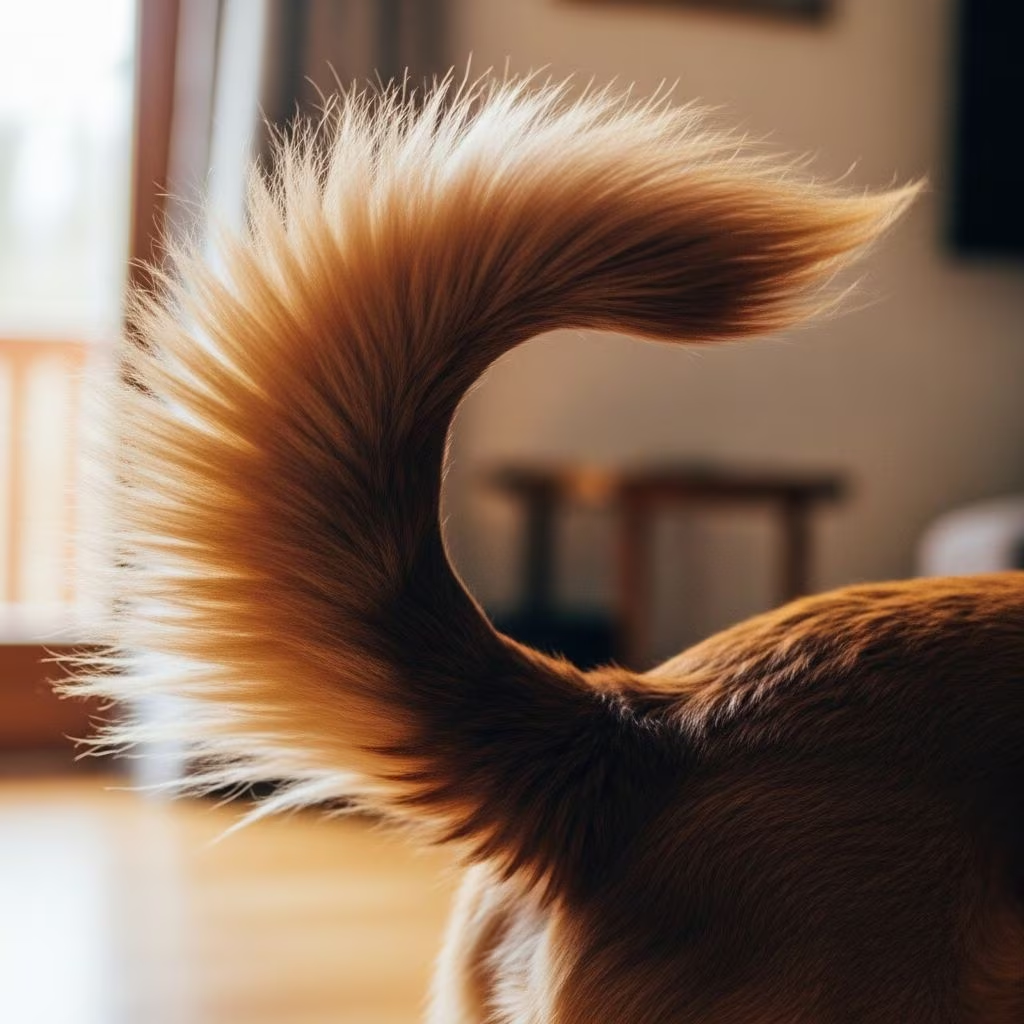
Happy tail syndrome represents a common yet distressing injury in dogs where enthusiastic tail wagging leads to repeated trauma at the tail’s tip. This condition arises when a dog’s vigorous tail movements strike hard surfaces, causing abrasions, bleeding, and potential infections that can become chronic if not addressed promptly. Despite its cheerful name, happy tail syndrome inflicts significant pain and requires dedicated management to promote healing and prevent recurrence.
Understanding the Mechanics of Happy Tail Injuries
The core issue in happy tail syndrome stems from the physics of tail wagging. Dogs, especially larger breeds, generate substantial force with their tails during excitement, play, or greetings. When these tails repeatedly collide with unyielding objects like walls, furniture, or kennel sides, the thin skin at the tip—often unprotected by thick fur—sustains damage. Over time, initial scrapes evolve into deep lacerations, ulcers, or hematomas due to the tail’s constant motion, which hinders natural clotting and scab formation.
This repetitive trauma mimics a blunt force injury pattern, where the tail’s momentum exceeds the skin’s resilience. Veterinary observations confirm that the injury site typically localizes to the distal 2-4 inches of the tail, where blood vessels and nerves are abundant, amplifying pain and bleeding risks.
Breeds and Dogs Most Susceptible to This Condition
Certain physical traits predispose dogs to happy tail syndrome. Large breeds with long, muscular, yet slender tails and short coats face the highest risk because their tails whip with greater velocity and lack fur padding. Commonly affected breeds include:
- Greyhounds, known for their whip-like tails
- Labrador Retrievers, with energetic wagging habits
- Great Danes, featuring long reaches
- German Shepherds, often in active environments
- Pit Bulls and other bully breeds, with powerful builds
Working dogs and those in confined spaces, such as boarding kennels, show elevated incidence rates. A study highlighted that working breeds experience higher occurrences compared to companion breeds, likely due to their heightened activity levels. Smaller dogs or those with bushy tails, like Huskies, are less prone as their fur and lower wagging force provide natural protection.
Recognizing the Warning Signs Early
Early detection is crucial to avoid complications like secondary bacterial infections or osteomyelitis in severe cases. Owners often first notice blood splatters on walls, floors, or bedding—hallmark indicators of tail tip bleeding. Key symptoms include:
- Visible cuts, abrasions, or open wounds at the tail end
- Swelling, redness, and inflammation
- Persistent bleeding or scab formation that sloughs off
- Hair loss or bald patches near the injury
- Excessive licking, chewing, or self-trauma
- Sensitivity or pain upon touch, sometimes causing yelps
Dogs may continue normal behaviors like eating and playing, masking the discomfort until the wound worsens. If blood spotting persists for more than a day or two, veterinary evaluation is essential to rule out underlying issues.
Primary Triggers and Environmental Contributors
| Trigger | Description | Risk Level |
|---|---|---|
| Hard Surfaces | Walls, doors, furniture in homes or kennels | High |
| Excitement Episodes | Greetings, playtime, or mealtime enthusiasm | High |
| Confinement | Crates, kennels, or small spaces | Medium-High |
| Outdoor Hazards | Fences, brambles, or rough terrain | Medium |
| Recent Activity Surge | Post-boarding or intense exercise | Medium |
Environmental factors exacerbate risks; for instance, dogs returning from boarding facilities frequently present with fresh injuries from banging tails against metal crates. Cold weather or swimming can indirectly contribute by stiffening muscles, though limber tail (a related myopathy) differs in presentation.
Veterinary Diagnosis: What to Expect
Diagnosis relies on clinical history and physical exam. Vets inspect the tail for depth of wounds, signs of infection (pus, foul odor), and nerve integrity. They may perform cytology swabs or radiographs to check for bone involvement. Differential diagnoses include allergies, parasites, or trauma from fights, but the characteristic blood splatter pattern and wagging history confirm happy tail syndrome. No specific lab tests are routine unless infection is suspected.
Treatment Strategies: From Home Care to Surgical Options
Treatment escalates with injury severity. Mild cases respond to conservative measures:
- Cleaning with antiseptic solutions like chlorhexidine
- Applying antibiotic ointments and non-adherent bandages
- Using e-collars to prevent licking
- Strict crate rest to immobilize the tail
For moderate wounds, vets prescribe oral antibiotics, pain relievers (e.g., NSAIDs), and custom tail splints or padded boots. Healing timelines vary from 2-4 weeks with compliance. Severe, non-healing cases—often with exposed bone or recurrent infections—may necessitate tail amputation (caudectomy), typically at the third coccygeal vertebra, allowing cosmetic and functional recovery. Post-op care mirrors initial treatments, with most dogs adapting seamlessly.
Preventive Measures for Long-Term Tail Protection
Proactive steps can drastically reduce incidence:
- Modify Environment: Pad walls and crate corners with foam mats or pool noodles
- Exercise Management: Provide ample space during high-excitement periods
- Protective Gear: Tail guards or vet wrap for at-risk dogs
- Training: Teach calm greetings with rewards
- Regular Checks: Inspect tails weekly, especially after activities
Breeders and owners of predisposed dogs should prioritize spacious living areas and monitor for early signs during puppyhood.
FAQs on Happy Tail Syndrome
Is happy tail syndrome painful for dogs?
Yes, it causes significant discomfort due to exposed nerves and ongoing trauma, though dogs often hide pain.
Can happy tail heal without a vet?
Mild cases might, but professional assessment prevents complications like infection.
How long does recovery take?
Typically 2-6 weeks with proper care; surgery shortens chronic cases.
Does neutering or spaying affect this condition?
No direct link, but calmer behavior post-procedure may indirectly help.
Is it contagious or genetic?
Not contagious; genetic factors influence tail structure in breeds.
When to Seek Emergency Care
Rush to the vet if you observe profuse bleeding unresponsive to pressure, fever, lethargy, or foul discharge—these signal deep infection or systemic issues. Prompt intervention preserves tail function and your dog’s quality of life.
References
- Happy Tail Syndrome in Dogs: Causes & Treatment Options — VHA Vets. 2023. https://vhavets.com/blog/happy-tail-syndrome-in-dogs/
- What Is Happy Tail Syndrome in Dogs — Partners Animal Hospital West Loop. 2023. https://partnersvetwl.com/?p=4877
- Happy Tail Syndrome in Dogs: Causes, Symptoms, and Treatment — PetCareRx. 2023. https://www.petcarerx.com/article/happy-tail-syndrome-in-dogs-causes-symptoms-and-treatment/6925
- Happy Tail Syndrome in Dogs — PetMD. 2024-01-15. https://www.petmd.com/dog/conditions/behavioral/happy-tail-syndrome-dogs
- Happy Tail Syndrome in Dogs – Symptoms, Causes, Diagnosis — WagWalking. 2023. https://wagwalking.com/condition/happy-tail-syndrome
- Limber Tail in Dogs (Acute Caudal Myopathy) — Cornell University College of Veterinary Medicine. 2024. https://www.vet.cornell.edu/departments-centers-and-institutes/riney-canine-health-center/canine-health-information/Limber-tail-in-dogs



