

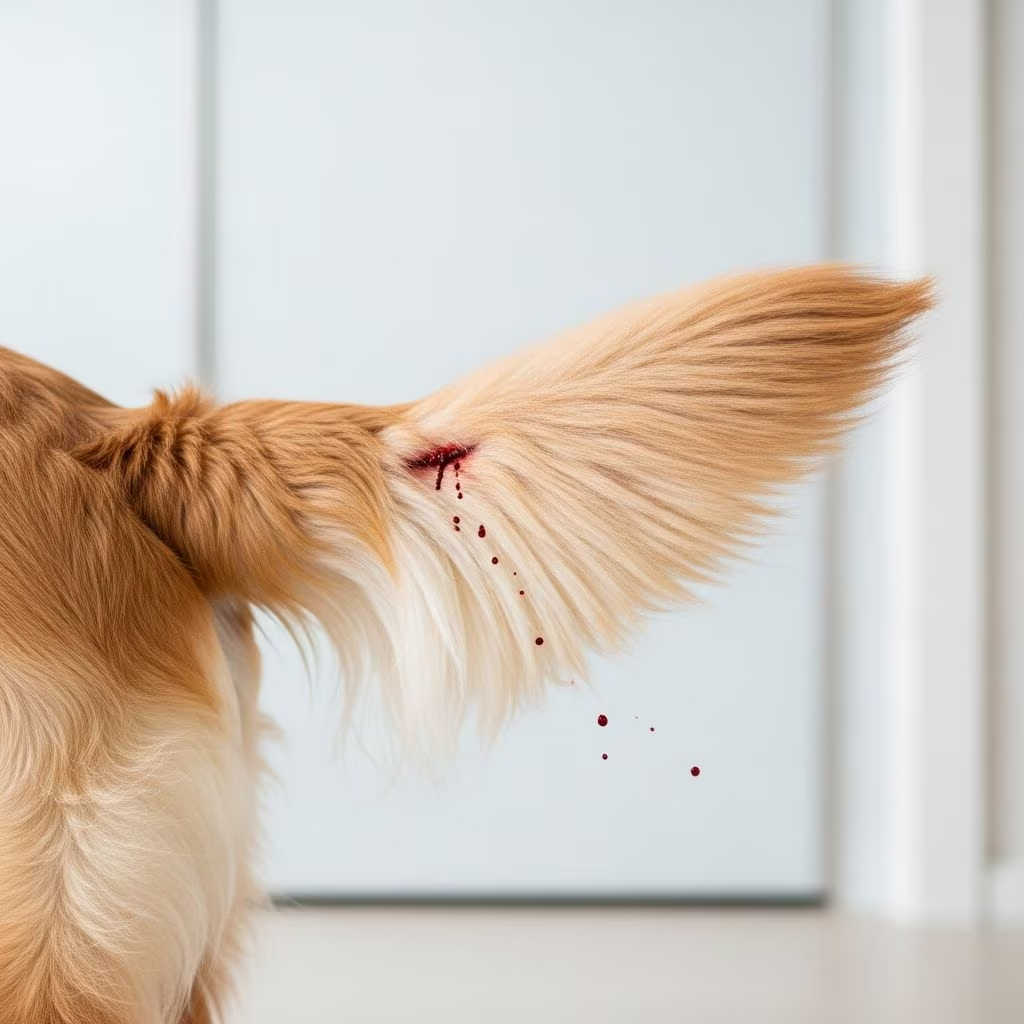
What is Happy Tail Syndrome in Dogs?
Happy tail syndrome, also known as kennel tail or split tail, is a condition that occurs when a dog repeatedly injures the tip of their tail by wagging it forcefully against hard surfaces. This repetitive trauma causes the tail skin to break open, bleed, and develop wounds that can become infected if left untreated. Despite its misleading name, happy tail syndrome is a painful and frustrating condition that requires prompt veterinary attention to prevent complications.
The condition gets its name because it typically develops when dogs are excited, happy, or greeting their owners enthusiastically. During these moments of joy, dogs wag their tails with tremendous force and vigor, often in environments with hard surfaces like walls, kennels, crates, or furniture. While the initial injury may seem minor, the dog’s continued wagging prevents healing and can cause the wound to progressively worsen over time.
Understanding the Causes of Happy Tail Syndrome
Happy tail syndrome develops through a combination of behavioral and environmental factors. The primary cause is repetitive trauma from a dog’s tail repeatedly striking hard surfaces with significant force. Understanding these causative factors can help you prevent this condition in your own dog.
Environmental Triggers
The physical environment plays a crucial role in developing happy tail syndrome. Dogs confined to small spaces such as kennels, crates, or tight hallways are particularly vulnerable because their tails frequently contact hard surfaces when they attempt to move or wag. Even common household environments can pose risks:
- Walls and door frames in narrow hallways
- Hard furniture, especially corners and edges
- Kennel and crate bars or walls
- Glass doors and windows
- Solid floors in confined spaces
Dogs kept in kennels with hard walls face particularly high risk, as they naturally wag their tails against the sides during normal movement and play.
Behavioral and Personality Factors
A dog’s temperament and behavior significantly influence happy tail syndrome development. High-energy dogs and those with excitable personalities are much more prone to vigorous tail wagging that can cause injury. Specific behavioral triggers include:
- Enthusiastic greetings at doors and when owners return home
- Excitement during playtime and physical activity
- Jumping and bouncing in response to guests or events
- Reactions to car rides and walks
- Frantic tail wagging due to separation anxiety
Dogs that cannot control their excitement or moderate their tail wagging intensity face increased risk of developing this condition.
Which Dogs Are Most at Risk?
While any dog with a tail can develop happy tail syndrome, certain breeds are significantly more susceptible due to their physical characteristics and temperament. Understanding your dog’s risk level is important for prevention.
High-Risk Breeds include large dogs with long, muscular, short-haired tails that provide minimal protection against impact. The following breeds show elevated risk:
- Labrador Retrievers
- Great Danes
- Greyhounds
- Pit Bulls and bully breeds
- German Shepherd Dogs
- Irish Wolfhounds
- Dalmatians
- Pointers
- English Springer Spaniels
- Cocker Spaniels
Research has shown that working breeds face higher risk for happy tail syndrome than non-working breeds. Additionally, dogs with certain tail characteristics—long, slender, short-haired tails with minimal fur protection—are particularly vulnerable to injury.
However, it’s essential to note that any dog can develop happy tail syndrome, particularly if they are excitable, live in confined spaces, or have limited environmental variety.
Recognizing the Symptoms of Happy Tail Syndrome
Early identification of happy tail syndrome symptoms is crucial for preventing complications and starting treatment promptly. Dog owners should watch for the following signs:
Physical Symptoms
- Open wounds or lacerations: Small cuts or deeper wounds at the tail tip that may appear raw or broken
- Bleeding: One of the most noticeable signs is a bleeding tail. You might observe blood splatters on walls, furniture, bedding, or floors
- Swelling and inflammation: The affected area may appear red, swollen, or tender to the touch, indicating irritation from repeated trauma
- Hair loss: Patches of missing fur from the injured area where the tail has been repeatedly damaged
- Scabbing: Persistent scabs that form over wounds as they attempt to heal
Behavioral Symptoms
- Excessive licking or chewing: Dogs instinctively lick or bite at painful or irritated areas, which can further aggravate the wound and prevent healing
- Pain response: Whimpering, yelping, or reluctance to wag their tail
- Sensitivity to touch: Your dog may flinch or show discomfort when you touch their tail area
Warning Signs of Complications
If happy tail syndrome remains untreated, serious complications can develop. Watch for these concerning signs:
- Pus or discharge from the wound
- Foul odor coming from the tail
- Increased swelling beyond the initial injury site
- Fever or lethargy
- Decreased appetite
These symptoms indicate infection and require immediate veterinary attention.
Diagnosis and When to See a Veterinarian
If you notice any symptoms of happy tail syndrome, it’s important to consult your veterinarian for proper diagnosis and treatment. Your vet will examine the tail wound, assess the extent of damage, and determine the appropriate treatment plan. Early intervention significantly improves outcomes and reduces the risk of chronic wounds or permanent tail damage.
Don’t delay seeking veterinary care, as untreated wounds can quickly become infected or develop into chronic conditions that are more difficult to manage.
Treatment Options for Happy Tail Syndrome
Treatment approaches vary depending on the severity of the injury and whether infection is present. Your veterinarian will recommend the most appropriate option for your dog’s specific situation.
Conservative Treatment
For minor cases, conservative management may be sufficient:
- Cleaning and protecting the wound with bandages or protective wraps
- Applying topical antibiotics to prevent infection
- Minimizing tail movement to allow healing
- Preventing the dog from licking or chewing the wound
- Using protective devices like tail guards or E-collars
Medical Management
More serious cases may require additional interventions:
- Oral antibiotics if infection develops
- Pain management medications to reduce discomfort
- Anti-inflammatory drugs to reduce swelling
- Regular wound cleaning and dressing changes
Surgical Treatment
In severe or chronic cases where conservative treatment fails, surgical intervention may become necessary. This typically involves tail amputation (partial or complete) to prevent further injury and promote healing. While amputation may seem extreme, it prevents chronic pain, repeated injury, and infection risk.
Prevention Strategies for Happy Tail Syndrome
Preventing happy tail syndrome is far more effective than treating it. Implement these strategies to reduce your dog’s risk:
Environmental Modifications
- Provide adequate space in kennels, crates, and living areas where your dog spends time
- Pad hard surfaces with soft materials where possible
- Avoid confining your dog to small spaces for extended periods
- Create a safe environment with soft furnishings and rounded corners
- Use baby gates instead of crate confinement when possible
Behavioral Management
- Redirect excessive tail wagging during greetings to other appropriate behaviors
- Keep play sessions at moderate intensity levels
- Provide mental stimulation and exercise to manage excess energy
- Address separation anxiety with training or consultation from a professional behaviorist
- Teach impulse control through training exercises
Monitoring and Early Intervention
- Regularly inspect your dog’s tail for any signs of injury
- Monitor tail condition after excitement or play sessions
- Address minor injuries immediately before they worsen
- Contact your veterinarian at the first sign of tail problems
Frequently Asked Questions About Happy Tail Syndrome
Q: Is happy tail syndrome contagious between dogs?
A: No, happy tail syndrome is not contagious. It develops from an individual dog’s behavior and environment, not from contact with other dogs.
Q: Can small dogs get happy tail syndrome?
A: While less common, small dogs can develop this condition, particularly if they are excitable or live in confined spaces with hard surfaces.
Q: Will my dog’s tail fully heal after happy tail syndrome?
A: With proper treatment and prevention of re-injury, most tail wounds heal well. However, chronic cases or repeated injury may result in permanent damage or require amputation.
Q: How long does it take for a tail injury to heal?
A: Healing time varies depending on injury severity. Minor wounds may heal in 2-4 weeks with proper care, while more severe injuries require longer recovery periods and careful management.
Q: Can I treat happy tail syndrome at home?
A: For very minor cases, basic wound care may be helpful, but veterinary evaluation is strongly recommended. Professional treatment prevents complications and ensures proper healing.
Q: What should I do if I notice blood on my dog’s tail?
A: Contact your veterinarian immediately. Clean the wound gently, prevent your dog from licking it, and arrange a veterinary appointment as soon as possible.
Q: Are certain tail shapes more prone to happy tail syndrome?
A: Yes, dogs with long, slender, short-haired tails are at significantly higher risk. Tails with more fur coverage and curly or short tails are naturally more protected.
Q: Can I prevent happy tail syndrome in my high-energy dog?
A: Yes, through environmental modification, behavioral management, and providing adequate space and exercise. However, some high-risk dogs require close monitoring and may need additional preventive measures.
Conclusion
Happy tail syndrome is a painful and potentially serious condition that requires proper understanding and prompt treatment. By recognizing the risk factors, identifying early symptoms, and implementing prevention strategies, you can significantly reduce the likelihood of your dog developing this condition. If your dog does show signs of tail injury, contact your veterinarian immediately to prevent complications and ensure proper healing. With appropriate care and environmental management, most cases can be successfully treated and prevented from recurring.
References
- Happy Tail Syndrome in Dogs: Signs, Symptoms, Treatments — Spot and Tango. 2025. https://www.spotandtango.com/blog/happy-tail-syndrome-in-dogs
- Happy Tail Syndrome in Dogs: Causes & Treatment Options — VHA Veterinary Hospital. 2025. https://vhavets.com/blog/happy-tail-syndrome-in-dogs/
- What Is Happy Tail Syndrome in Dogs — Partners Veterinary Care West Loop. 2025. https://partnersvetwl.com/?p=4877
- What is Happy Tail Syndrome? | West Loop Veterinary Care — West Loop Veterinary Care. 2025. https://westloopvet.com/blog/blog-happy-tail-syndrome/
- Happy Tail Syndrome in Dogs: Signs, Symptoms, Treatments — American Kennel Club. 2025. https://www.akc.org/expert-advice/health/happy-tail-syndrome-in-dogs/



