

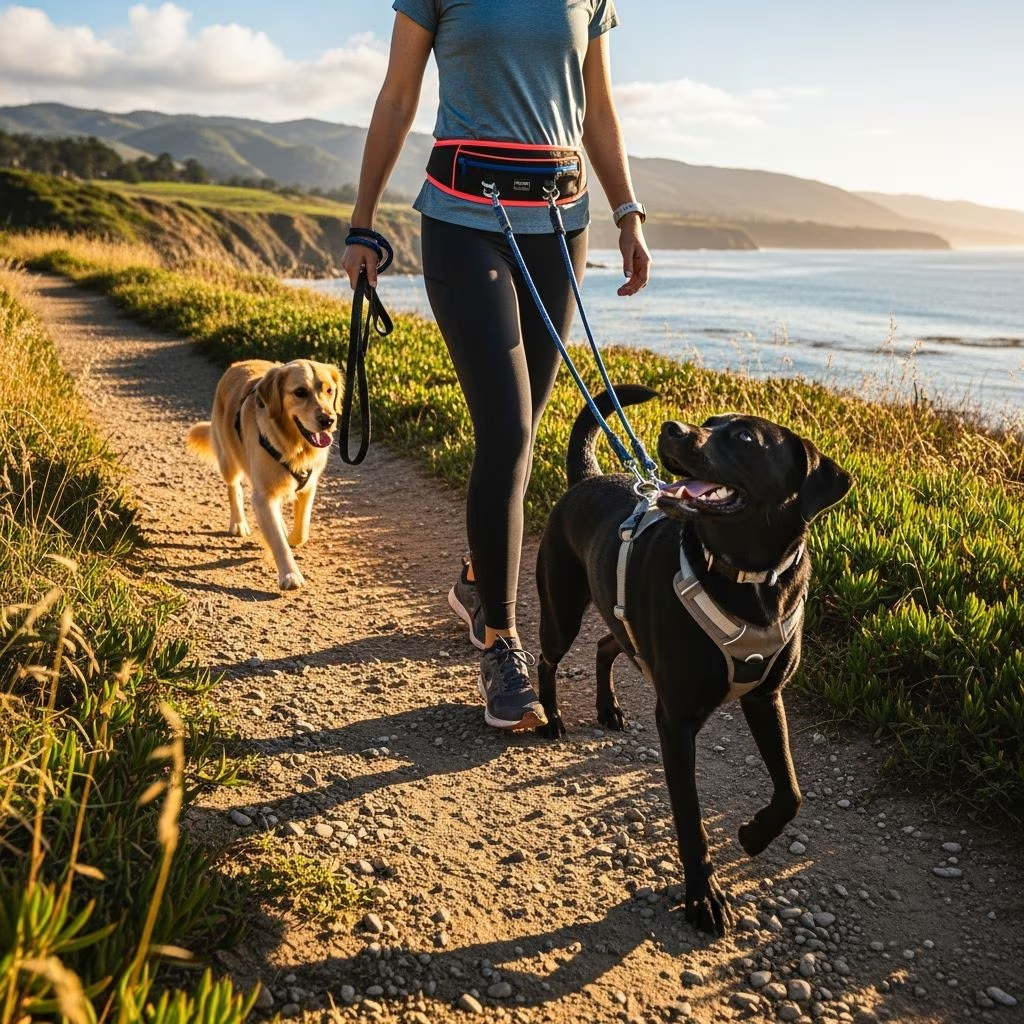
Hands-free dog walking belts represent a game-changer for pet owners seeking comfort, control, and convenience during outings with their canine companions. These innovative waist-mounted accessories allow leashes to clip directly to a padded belt around the hips, distributing pulling forces evenly across the body rather than straining hands, arms, or shoulders. Ideal for everyday strolls, rigorous hikes, or runs, they free up your hands for multitasking while maintaining a secure connection to your dog.
Why Switch to a Hands-Free Walking System?
Traditional leashes gripped in the hand often lead to fatigue, especially with strong or energetic dogs. A waist belt shifts the attachment point to your center of gravity, providing stability and reducing injury risk. This setup is particularly beneficial for owners managing dogs that lunge or pull, as it offers consistent resistance without the jerky motions caused by arm yanking.
Key advantages include enhanced posture during walks, natural arm movement, and the ability to handle multiple dogs simultaneously. For active lifestyles, these belts support activities like jogging, cycling, or pushing strollers without compromising leash control.
Core Benefits of Using a Dog Walking Belt
- Strain Reduction: By anchoring the leash at the waist, force from pulls is absorbed by stronger core muscles, preventing wrist, elbow, or back pain.
- Hands-Free Convenience: Carry water bottles, phone, treats, or poop bags effortlessly. This is invaluable for urban walkers dealing with unexpected obstacles.
- Improved Safety: Eliminates the risk of dropping the leash during sudden reactions, crucial for reactive or high-prey-drive dogs.
- Shock Absorption: Paired with bungee leashes, belts cushion jolts, protecting both human and dog joints.
- Versatility for Multi-Dog Walks: Multiple attachment points allow walking several dogs at once, distributing weight evenly.
- Training Aid: Consistent tension helps reduce lead reactivity, promoting calmer behavior over time.
Types of Hands-Free Dog Walking Belts
Dog walking belts vary by design and purpose, catering to different needs from casual walks to intense sports.
| Type | Best For | Key Features | Examples of Use |
|---|---|---|---|
| Everyday Comfort Belts | Daily walks, light exercise | 2-inch wide padding, quick-release buckles, basic D-rings | Neighborhood strolls, errands with dog |
| Sport-Pulling Belts | Running, hiking, canicross | Wide hip coverage, heavy-duty materials, multiple D-rings | Trail running, skijoring |
| Multi-Function Belts | Active families, multi-dog owners | Pockets, reflective stitching, adjustable fit | Biking, stroller pushing |
Sport-pulling models emphasize rump and hip support to harness a dog’s natural pulling instinct safely, while everyday belts prioritize lightweight comfort.
How Hands-Free Belts Work with Complementary Gear
A complete hands-free system includes the belt, a suitable dog harness, and a shock-absorbing leash. Harnesses should distribute force across the chest, avoiding neck strain—front-clip designs turn dogs toward you on pulls, aiding training. Bungee leashes stretch (e.g., from 42.5 to 56.6 inches) to dampen sudden lunges, reducing tension from any direction.
For multiple dogs, use short leads on outer D-rings and longer ones centrally to prevent tangling. Reflective elements and water-resistant fabrics ensure visibility and all-weather use.
Selecting the Right Dog Walking Belt for Your Needs
Choose based on your dog’s size, strength, and behavior, plus your activity level. Measure your waist for a snug fit—belts should sit low on the hips for optimal leverage.
- Material: Neoprene or breathable mesh for padding; nylon webbing for durability.
- Size Range: Adjustable from 28-52 inches typically covers most adults.
- Attachment Points: Dual D-rings for security; avoid single-clip risks.
- Add-Ons: Pockets for essentials, waist expanders for comfort.
Test strength ratings—look for 165lb+ pull tests, especially for large breeds. For reactive dogs, prioritize quick-release mechanisms.
Real-World Applications and User Scenarios
Urban dwellers appreciate hands-free belts for navigating crowds or picking up waste without leash drops. Runners benefit from natural gait preservation, while hikers value storage for gear. Parents with strollers or cyclists find them indispensable for multi-tasking.
Owners of pullers like Huskies or reactive breeds report calmer walks, as the system fosters trust through steady communication. Even with three dogs, stable attachment prevents chaos.
Care, Maintenance, and Safety Tips
Inspect belts regularly for frays or buckle wear. Hand-wash with mild soap and air-dry to preserve padding. Pair always with a well-fitted harness—never collars—to avoid injury.
- Start slow: Introduce gradually to let your dog adjust.
- Train pulls: Use treats to reinforce loose-leash walking.
- Safety First: Avoid in heavy traffic; keep short leads for control.
Frequently Asked Questions (FAQs)
Are hands-free belts suitable for small dogs?
Yes, adjustable tension and lightweight designs work for all sizes, though bungee leashes should match dog strength.
Can I use a regular leash with a walking belt?
Standard leashes work but lack shock absorption; bungee types are recommended for comfort.
Do these belts help train dogs not to pull?
They provide consistent feedback, reducing reactivity over time when combined with positive reinforcement.
What’s the weight limit for most belts?
Many handle 165lbs+ in pull tests, suitable for large breeds.
Are they comfortable for long walks?
Wide padding and ergonomic design prevent chafing, even during extended use.
Potential Drawbacks and How to Mitigate Them
Initial adjustment periods may occur for dogs used to hand-held leashes. Some belts ride up during intense pulls—opt for low-rise models with stabilizers. Cost (typically $30-80) is higher than basic leashes, but durability justifies it.
For very strong pullers, combine with professional training. Not ideal for service dogs needing precise hand control.
References
- Look Ma, No Hands! – notes from a dog walker — Notes from a Dog Walker. 2014-07-07. https://notesfromadogwalker.com/2014/07/07/hands-free-dog-walking-belt/
- The Benefits of Hands-Free Dog Walking — K9 Trail Time. 2025-01-09. https://www.k9trailtime.com/2025/01/09/the-benefits-of-hands-free-dog-walking/
- 4 Amazing features of Hands-free dog leash — Sport2People. N/A. https://www.sport2people.com/blogs/healthy-lifestyle-blog/4-amazing-features-of-hands-free-dog-leash
- Dog Walking Belt Review: Hands Free Dog Walking — Whole Dog Journal. N/A. https://www.whole-dog-journal.com/lifestyle/dog-gear/gear-and-products/dog-walking-belt/
- Hands Free Dog Leash Pros & Cons — Mighty Paw. N/A. https://mightypaw.com/blogs/news/hands-free-dog-leash-pros-cons
- Hands-Free Dog Leash Walking Kit — Husky Squad. N/A. https://www.huskysquad.com/blog/hands-free-dog-leash-walking-kit/
- The Benefits of Using a Hands-Free Dog Leash for Active Owners — Raysun Pet. N/A. https://www.raysunpet.com/a-news-the-benefits-of-using-a-hands-free-dog-leash-for-active-owners



