

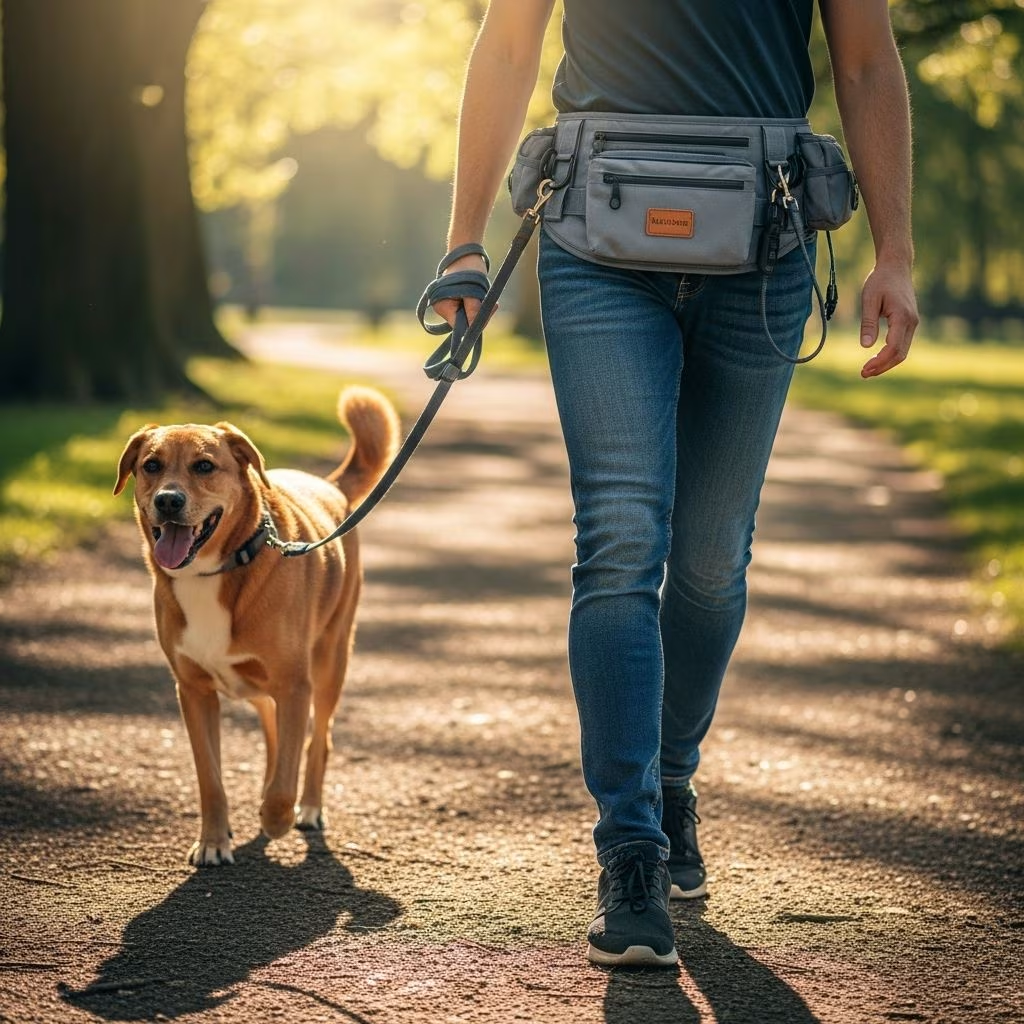
Hands-free dog walking belts represent a game-changing accessory for pet owners seeking greater freedom and control during outings. These innovative tools attach the leash directly to a waistband, eliminating the need to grip a traditional lead and allowing natural movement for activities like jogging or managing multiple dogs.
Why Switch to a Hands-Free Walking System?
Traditional leashes often lead to arm fatigue, poor posture, and limited multitasking. A waist-mounted belt redistributes the dog’s pull across the hips, providing stability while freeing hands for phones, drinks, or strollers. This setup proves especially valuable for active lifestyles, transforming routine walks into efficient exercises.
Safety improves as the belt’s secure attachment prevents leash drops, crucial in crowded areas. For owners of strong pullers, the core body’s leverage offers superior handling compared to handheld options.
Core Features of Quality Dog Walking Belts
Effective belts prioritize durability, comfort, and functionality. Key elements include:
- Adjustable Waistband: Fits waists from 24 to 50 inches typically, with quick-release buckles for easy on-off.
- Heavy-Duty Leash Anchor: Reinforced D-rings or carabiners rated for 500+ pounds of pull force ensure reliability.
- Shock-Absorbing Elements: Integrated bungee cords or elastic sections minimize sudden jerks.
- Ergonomic Padding: Neoprene or foam lining prevents chafing during extended use.
- Storage Compartments: Zippered pockets for treats, waste bags, keys, and phones add convenience.
- Visibility Enhancers: Reflective piping boosts nighttime safety.
These features combine to create a lightweight yet robust system weighing under 1 pound.
Health and Posture Advantages for Owners
Prolonged leash holding strains shoulders and wrists, contributing to repetitive stress injuries. Belts promote upright posture by centering weight distribution, reducing upper body tension. Runners benefit from unencumbered arm swing, enhancing stride efficiency.
For parents or cyclists, the design supports pushing strollers or steering bikes without compromising dog control. Studies on ergonomics highlight how waist-anchored loads lessen spinal compression versus arm-carried ones.
Safety Enhancements for You and Your Dog
The belt-to-body connection lowers dropped-leash incidents, a common hazard leading to runaways. Bungee integrations absorb lunges, protecting joints in both species from abrupt forces. This is vital for high-drive breeds like Huskies or Labs.
In low-light conditions, reflective materials increase visibility to vehicles and cyclists, cutting accident risks. Paired with secure harnesses, the system minimizes escape potential compared to collars.
Ideal Dog Profiles for Hands-Free Belts
Not all dogs suit this setup equally. It excels with:
- High-energy athletes needing vigorous exercise.
- Reactive types benefiting from steady tension.
- Puppies in training phases requiring close supervision.
- Rescue dogs building trust through consistent contact.
- Multi-dog households managing leashes simultaneously.
Avoid for very small or fragile pets unless using lightweight variants to prevent overwhelming them.
Pairing Belts with Optimal Harnesses
Maximize benefits by combining belts with front-clip, no-pull harnesses. These distribute pressure across the chest, curbing pulling instincts by redirecting forward momentum back toward the owner. Adjustable straps ensure custom fits, preventing rubs or escapes.
| Harness Type | Best For | Key Benefit |
|---|---|---|
| Front-Clip No-Pull | Strong Pullers | Reduces forward strain |
| Back-Clip Standard | Calm Walkers | Simple daily use |
| Step-In Vest | Small Breeds | Easy application |
| Escape-Proof | Reactive Dogs | Secure locking |
Front-clip models train better leash manners, fostering calmer outings over time.
Selecting the Right Belt for Your Needs
Consider Your Activity Level
Joggers need bungee-heavy models for shock absorption; casual walkers prioritize padded comfort and pockets. Hikers favor rugged, weather-resistant fabrics like nylon with waterproof zippers.
Budget and Durability Breakdown
Entry-level belts ($20-40) suit light use; premium versions ($50-100) offer lifetime warranties and modular add-ons like extra D-rings. Inspect stitching and metal quality to avoid quick failures.
Size and Fit Testing
Measure waist circumference and test adjustability. Ensure the anchor sits at hip height for balanced pull distribution. Trial with your dog’s leash length—6 feet standard prevents tangling.
Practical Tips for Successful Use
- Start indoors: Acclimate dog to the setup in low-distraction zones.
- Use treats: Reward calm behavior near the belt attachment.
- Maintain gear: Rinse after muddy walks; store dry to preserve elasticity.
- Monitor fit: Adjust weekly as dog or owner weight fluctuates.
- Combine tools: Add a short training lead for reactivity management.
Gradual introduction prevents resistance, turning skeptics into enthusiasts within days.
Real-World Applications Beyond Basic Walks
Versatility extends to biking (with bike attachments), rollerblading, or gardening while keeping dogs close. Multi-dog owners clip multiple leashes to one belt, simplifying group outings. For seniors, it reduces bending strain when picking up dropped leads.
Common Pitfalls and Solutions
Issue: Dog lunges excessively. Solution: Shorten leash or use anti-pull harness.
Issue: Belt slips during runs. Solution: Tighten hip stabilizers or choose grippy inner linings.
Issue: Overheating in summer. Solution: Opt for breathable mesh panels.
Addressing these ensures longevity and satisfaction.
Boosting the Dog-Owner Bond
Hands-free systems encourage natural movement, improving communication cues like body turns or voice commands. Dogs sense reduced owner frustration from pulls, associating walks positively. More frequent outings enhance physical health and mental stimulation for both.
Frequently Asked Questions
Are hands-free belts suitable for all dog sizes?
Yes, but scale to dog weight—light belts for under 30 lbs, heavy-duty for larger breeds.
Can I use this for running?
Absolutely; select models with strong bungees to handle speed bursts.
How do I clean the belt?
Hand wash with mild soap; air dry to maintain padding integrity.
Will it work with two dogs?
Many have dual attachments; use traffic handle leashes for individual control.
Is it safer than a standard leash?
Generally yes, due to no-drop design and better leverage.
References
- Effortless Strolls: The Hands-Free Dog Walking Belt — Yokum Gear. 2023-05-15. https://www.yokumgear.com/blogs/news/hands-free-dog-walking-belt
- 12 Benefits of a Front-Walk Dog Harness — HOUND Collection. 2024-02-10. https://www.houndcollection.com/blogs/news/12-benefits-of-a-front-walk-dog-harness
- The Benefits of Hands-Free Dog Walking — K9 Trail Time. 2025-01-09. https://www.k9trailtime.com/2025/01/09/the-benefits-of-hands-free-dog-walking/
- Benefits of Using a Dog Harness for Leash Walking — and More! — Inquisitive Canine. 2023-11-20. https://inquisitivecanine.com/benefits-of-using-a-dog-harness-for-leash-walking-and-more/
- Hands Free Dog Leash Pros & Cons — Mighty Paw. 2024-07-05. https://mightypaw.com/blogs/news/hands-free-dog-leash-pros-cons



