

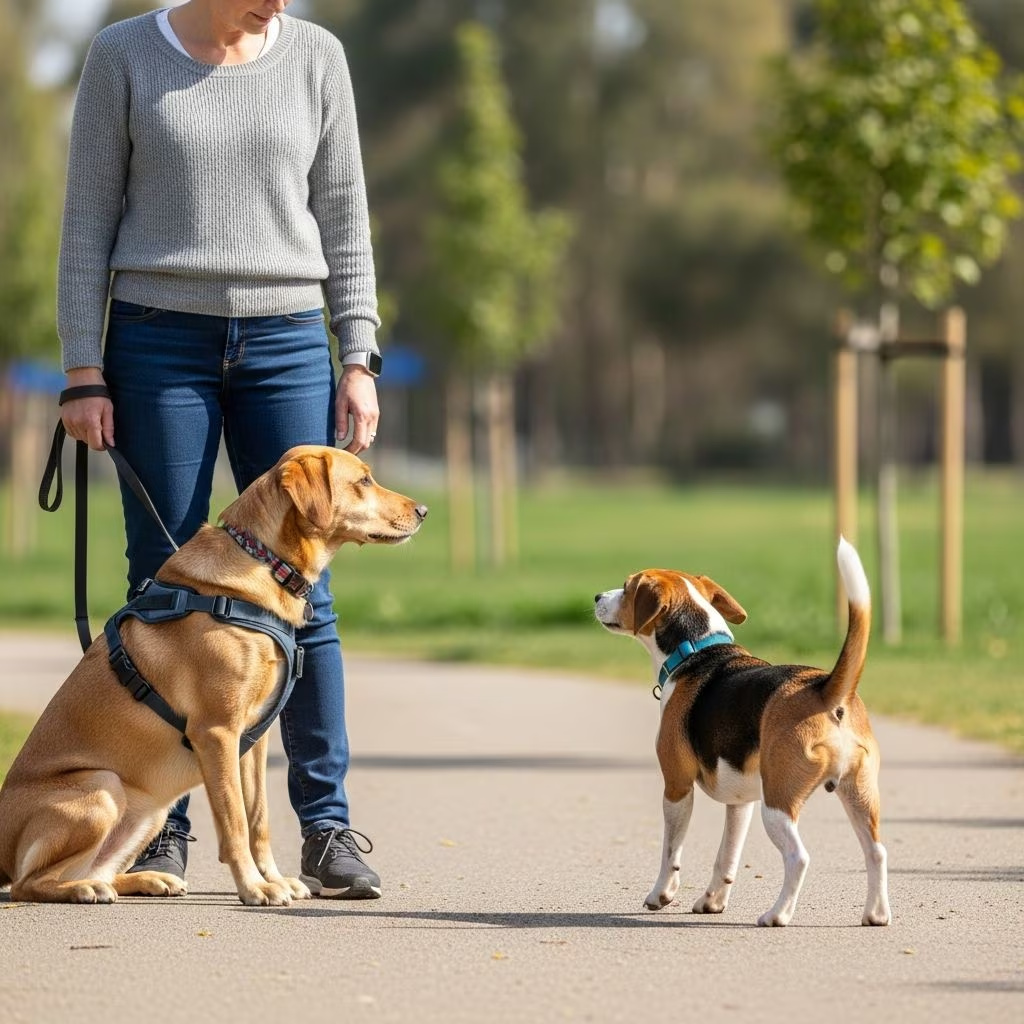
Encountering an off-leash dog during a routine walk can quickly turn a peaceful outing into a tense situation. Knowing how to respond effectively protects both you and your pet from potential harm. This guide outlines proactive prevention, immediate response tactics, and long-term training strategies drawn from canine behavior insights.
Understanding Why Off-Leash Dogs Approach
Dogs often leave their owners’ control due to excitement, fear, or territorial instincts. Leash reactivity in your own dog may stem from possessiveness over you, amplified when it feels confined while the intruder roams free. Fear-based aggression appears as stiff posture or growling, while playful intent might involve bouncy movements and play bows. Recognizing these signals early allows for timely intervention.
Environmental factors like crowded parks or urban streets increase risks. Off-leash dogs from daycares may behave differently on walks if they view their owner as needing protection. Awareness of these dynamics empowers owners to anticipate and avoid trouble.
Prevention Through Situational Awareness
Proactive vigilance forms the foundation of safety. Scan your surroundings constantly, noting dogs at a distance. Choose routes with fewer off-leash risks, such as designated leash areas or early morning walks when parks are quieter.
- Keep a wide berth from visible off-leash dogs, crossing streets if needed.
- Practice distance management: Maintain at least 50 feet from unfamiliar dogs to prevent triggering reactivity.
- Equip yourself with tools like leashes, treats, and deterrents before heading out.
For leash-reactive dogs, build a leader-follower dynamic at home. Enforce consistent rules, such as delaying access to doors or food, to foster self-control. This mindset translates to calmer outdoor behavior.
Body Language Techniques for De-Escalation
Your posture speaks volumes to approaching dogs. Turn sideways to appear less threatening, avoiding direct stares that signal challenge. Stand still with relaxed shoulders, speaking in a deep, steady tone with commands like “No” or “Back.”
Never run or turn your back, as this activates prey drive. Instead, step forward assertively if the dog advances, using presence to deter without contact. For small dogs, lift them securely under one arm while facing the threat.
| Scenario | Recommended Posture | Why It Works |
|---|---|---|
| Dog approaches calmly | Sideways stance, gaze averted | Reduces perceived threat level |
| Dog charges aggressively | Face forward, step in slowly | Projects confidence, halts advance |
| Multiple dogs | Barrier object + firm voice | Creates space for assessment |
Distraction and Redirection Methods
Treat tossing ranks as a friendly first-line defense. Scatter a handful of high-value treats directly at the approaching dog(s), aiming to “rain” them down. This diverts focus from your pet, buying escape time. Practice this with your dog at home to ensure it remains calm amid distractions.
Focus exercises train your dog to ignore triggers. Start indoors: Reward eye contact with treats, progressing to outdoor scenarios. Use U-turns on walks—abruptly change direction upon spotting dogs—to avoid confrontations. Pair with non-verbal cues like stopping movement to disagree with excited behavior.
Barrier and Tool-Based Defenses
Physical barriers enhance safety. Position a backpack, jacket, or bike between you and the dog, creating a buffer zone. For small pets, swing the leash in a windmill motion while backing away slowly.
Carry emergency tools judiciously:
- Umbrella: Pop open suddenly for a startling visual deterrent.
- Air horn or noise makers: Blast while advancing to amplify threat.
- Spray deterrents: Use citronella or capsaicin sprays (check local laws) aimed at the aggressor. Avoid on windy days to prevent blowback.
These are for crises only, not routine training. Store in accessible pockets for quick deployment.
Responding to Actual Attacks
If contact occurs, prioritize separation. Release your dog’s leash to allow evasion and maneuverability. Target the attacker’s hind legs: Grab and lift, then knee or kick the abdomen to disrupt balance. Avoid sensitive areas unless necessary.
Post-incident, check for injuries and seek veterinary care immediately. Document details—breeds, owner info, location—for potential reports. Multiple bites warrant professional evaluation for rabies or infection risks.
Training Your Dog for Resilience
Long-term prevention involves counter-conditioning leash reactivity. Gradually expose your dog to distant triggers, rewarding calm focus. Enroll in obedience classes emphasizing impulse control.
Home protocols build deference:
- Pet only when settled, withdrawing attention for jumping.
- Practice leash calm: Pause gearing up if excitement builds.
- Integrate delays for rewards to enhance patience.
Consult certified trainers for personalized plans, especially if aggression persists.
Legal and Community Considerations
Off-leash violations vary by locality; many areas mandate leashes in public spaces. Report repeat offenders to animal control after ensuring safety. Liability often falls on the loose dog’s owner for damages.
Foster community awareness: Politely educate owners on risks, advocating for better enforcement. Apps tracking dog parks or off-leash hours aid route planning.
FAQs
What if the off-leash dog seems friendly?
Even “friendly” dogs can spark fights. Maintain distance and use distractions to prevent greetings.
Is pepper spray safe for my dog?
Capsaicin sprays target aggressors but risk affecting bystanders; opt for pet-safe citronella first.
How do I train focus away from triggers?
Begin with quiet settings, rewarding eye contact, then add distractions incrementally.
Should I yell at the approaching dog?
No—use firm, low tones. Yelling escalates tension.
What about small dogs in attacks?
Lift and swing leash defensively while retreating.
References
- Tips to Stop a Dog From Aggressive Behavior While on the Leash — Doggone Problems. 2022. https://www.doggoneproblems.com/charming/
- What to Do When Approached by an Off-Leash Dog — Davana Law. 2023. https://www.davanalaw.com/what-to-do-when-approached-by-an-off-leash-dog/
- Swimming With The Sharks – Five Tips For Off Leash Dogs — Aggressive Dog. 2022-08-23. https://aggressivedog.com/2022/08/23/swimming-with-the-sharks-five-tips-for-off-leash-dogs/
- What to Do If an Off-leash Dog Approaches You — Canine Perspective Chicago. 2018-01-26. https://canineperspectivechicago.com/2018-1-26-aggressive-off-leash-dog-approaches/
- How I Kept My Dog Safe From Off Leash Dogs — So Much PETential. 2023. https://somuchpetential.com/how-i-kept-my-dog-safe-from-off-leash-dogs/
- Managing a leash-reactive dog — Animal Humane Society. 2024. https://www.animalhumanesociety.org/resource/managing-leash-reactive-dog



