

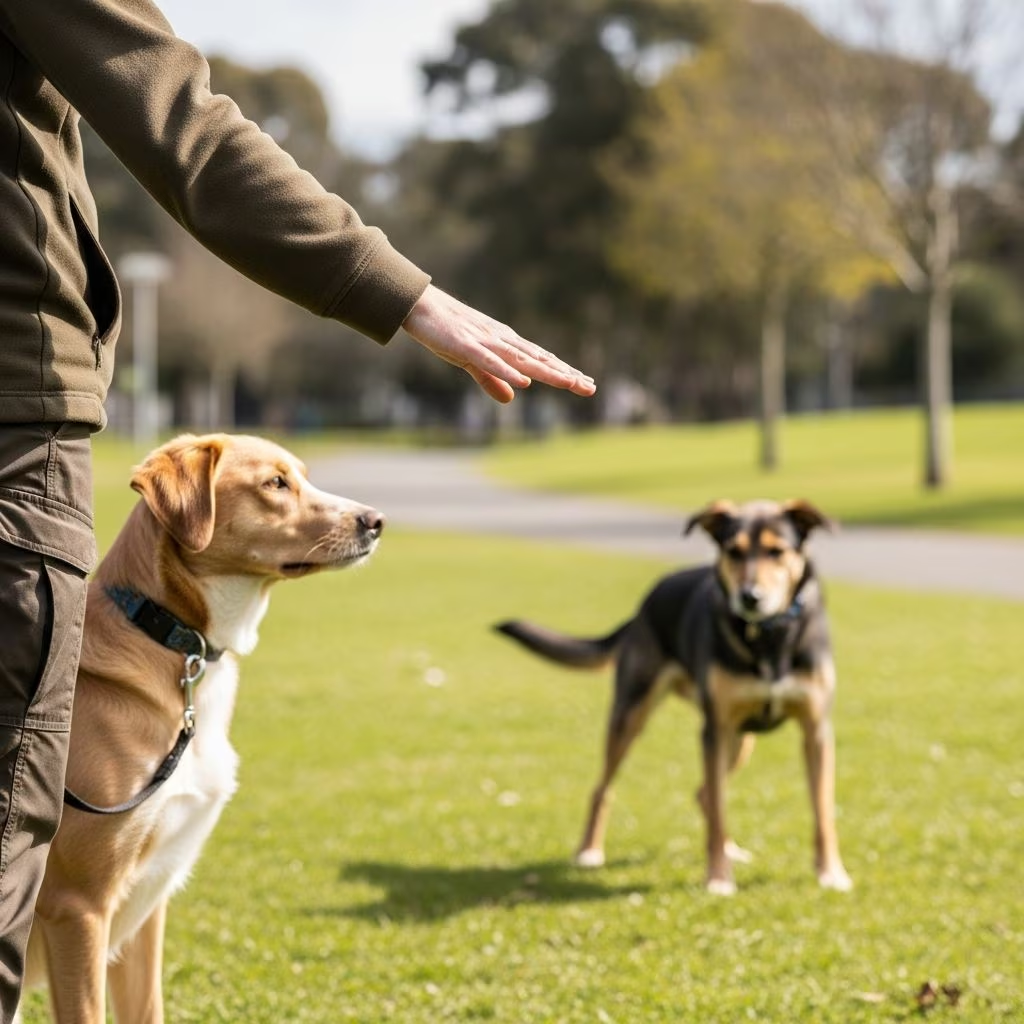
When walking your dog, few situations create more anxiety than spotting an off-leash dog charging toward you. These encounters can escalate quickly, but with preparation and the right responses, you can minimize risks and keep both you and your pet safe. This guide draws from canine behavior insights to equip you with practical steps for prevention, assessment, and action.
Why Loose Dog Encounters Happen
Off-leash dogs often approach out of curiosity, playfulness, or territorial instincts. Neighborhoods, parks, and trails see frequent incidents because not all owners maintain control. Understanding motivations helps predict behavior: a loose dog might seek social interaction or view your leashed pet as an intruder. Statistics from animal control reports indicate thousands of dog-on-dog incidents annually, underscoring the need for proactive measures.
Preparation: Train Before Trouble Strikes
The best defense starts at home. Equip your dog with skills that shine in high-stress moments.
- Emergency U-Turn Practice: During routine walks, cue your dog to pivot 180 degrees with you. Use treats to reinforce smooth turns away from distractions. This habit allows quick evasion without panic.
- Focus Commands: Teach “watch me” or “look here” using high-value rewards. When your dog locks eyes on you amid chaos, it reduces fixation on the intruder.
- Safety Stay Position: Train your dog to sit or lie down behind your legs on command. This positions you as a shield, buying time to assess.
- Loose Leash Walking: Ensure your dog heels reliably, preventing tangles or pulls that worsen situations.
Practice these weekly in low-distraction areas, gradually adding mild stressors like distant dogs. Carry a treat pouch on every outing for instant reinforcement.
Spotting Trouble: Read Canine Body Language
Not all approaching dogs spell danger. Decode signals to decide your next move.
| Body Language | Friendly Intent | Potential Threat |
|---|---|---|
| Tail | Loose, full-body wag | High, stiff wag or tucked |
| Ears | Relaxed or floppy | Forward-pointed, rigid |
| Posture | Bouncy, playful bow | Stalking, stiff-legged |
| Mouth | Open, panting | Closed, lips curled |
| Eyes | Soft gaze, blinking | Hard stare, unblinking |
Friendly dogs approach curved paths with wiggly energy; threats stiffen and fixate. Watch your dog’s cues too—tucked tail or growling signals rising tension. Early detection prevents escalation.
Immediate Actions: First Response Strategies
Distance is your ally. Act decisively but calmly.
Evade Proactively
If the loose dog is far off, change direction immediately. Cross streets, turn corners, or head toward barriers like fences. Speed-walk without running to avoid triggering chase instincts.
Position for Protection
Place yourself between your dog and the threat. Cue a stay, then step forward assertively. Use your body as a block—never turn your back fully, as it invites pursuit.
Verbal Deterrence
Project confidence: Shout “No!” “Go home!” or “Sit!” in a deep, firm tone. Extend an arm in a stop gesture. Many dogs halt at human authority. Avoid screaming, which mimics play yelps.
Monitor progress: If the dog pauses, back away slowly while repeating commands. Gain 20-30 feet before fully disengaging.
Distraction and Diversion Techniques
Redirect attention to create escape windows.
- Treat Scatter: Toss high-value kibble or bits of hot dog groundward. Food-focused dogs divert to forage, giving you exit time. Use sparingly to avoid conditioning approaches.
- Focus Redirection: Lure the loose dog with cheerful calls or claps, keeping its eyes on you, not your pet.
- Environmental Barriers: Duck behind cars, gates, or porches. Ring doorbells for quick refuge if nearby.
Escalation Tools: Last-Resort Deterrents
For persistent threats, deploy non-harmful interruptions. Desensitize your dog to these first.
- Umbrella Pop: Carry a compact umbrella; snap it open toward the dog. The sudden motion and noise startles without injury.
- Air Horn or Compresssed Air: A sharp blast disrupts focus. Compact horns fit pockets.
- Citronella Spray: Products like SprayShield release a pungent burst to repel. Avoid pepper sprays—they risk blowback and heightened aggression.
- Training Belt Kit: Wear a belt holding leash extensions, treats, spray, and horn for hands-free access.
Steer clear of physical grabs or sticks; they provoke bites.
If Contact Occurs: Breaking Up Fights
Pray it doesn’t happen, but prepare. Never grab collars—risks severe injury.
- Create barriers with backpacks, jackets, or leashes looped as wheels to separate.
- Yell for owner help or bystanders.
- Focus on wheelbarrow method: Two people lift hind legs of aggressor like a wheelbarrow, disengaging jaws.
Post-incident: Seek vet care immediately for wounds. Report to animal control.
Legal and Community Considerations
Off-leash laws vary; leash your dog everywhere required. Document incidents with photos/videos for reports. Educate neighbors politely about risks—reactive dogs suffer most from “friendly” greetings. According to ASPCA guidelines, leashed dogs have priority; defend reasonably.
FAQs
What if the loose dog seems friendly?
Even “friendly” dogs can spark fights with leashed ones. Evade anyway—your dog’s comfort matters.
Should I carry pepper spray?
No; it’s ineffective and dangerous for all involved. Opt for humane alternatives.
How do I train emergency skills?
Use positive reinforcement daily. Resources like Kikopup videos demonstrate stays and U-turns.
What about my small dog?
Extra vigilance: Scoops or carriers aid quick shielding. Height boosts deterrence.
Can I sue the loose dog’s owner?
Yes, if injuries occur. Local laws hold owners liable for unleashed pets.
Building Confidence Through Routine
Regular drills transform fear into control. Walk varied routes, simulate approaches with helpers. Track successes to build assurance. Over time, you’ll navigate encounters seamlessly.
Empowerment comes from knowledge: Calm humans lead calm dogs. Prioritize prevention, respond assertively, and advocate for responsible ownership. Safe walks await.
References
- 8 Strategies to Avoid an Attack From a Loose Dog — The Pet Sitter OC. 2023. https://thepetsitteroc.com/8-strategies-to-avoid-an-attack-from-a-loose-dog/
- Safety Tips If Approached By An Off Leash Dog — So Much PETential. 2022-10-15. https://somuchpetential.com/safety-tips-if-approached-by-an-off-leash-dog/
- How to handle coming across a loose dog — Pawtopia. 2024. https://pawtopia.com/how-to-handle-coming-across-a-loose-dog/
- What to Do When a Loose Dog Approaches You and Your Dog — Major Darling. 2023-05-20. https://majordarling.com/blogs/hello-darling/what-to-do-when-a-loose-dog-approaches-you-and-your-dog
- What to Do When Approached By An Off-Leash Dog — Preventive Vet. 2025-01-10. https://www.preventivevet.com/dogs/what-to-do-when-approached-by-an-off-leash-dog
- What to do When an Off-Leash Dog Approaches — USA Dog Behavior. 2023. https://www.usadogbehavior.com/blog/2017630what-to-do-when-an-off-leash-dog-approaches
- What to Do If an Off-leash Dog Approaches You — Canine Perspective Chicago. 2018-01-26. https://canineperspectivechicago.com/2018-1-26-aggressive-off-leash-dog-approaches/



