

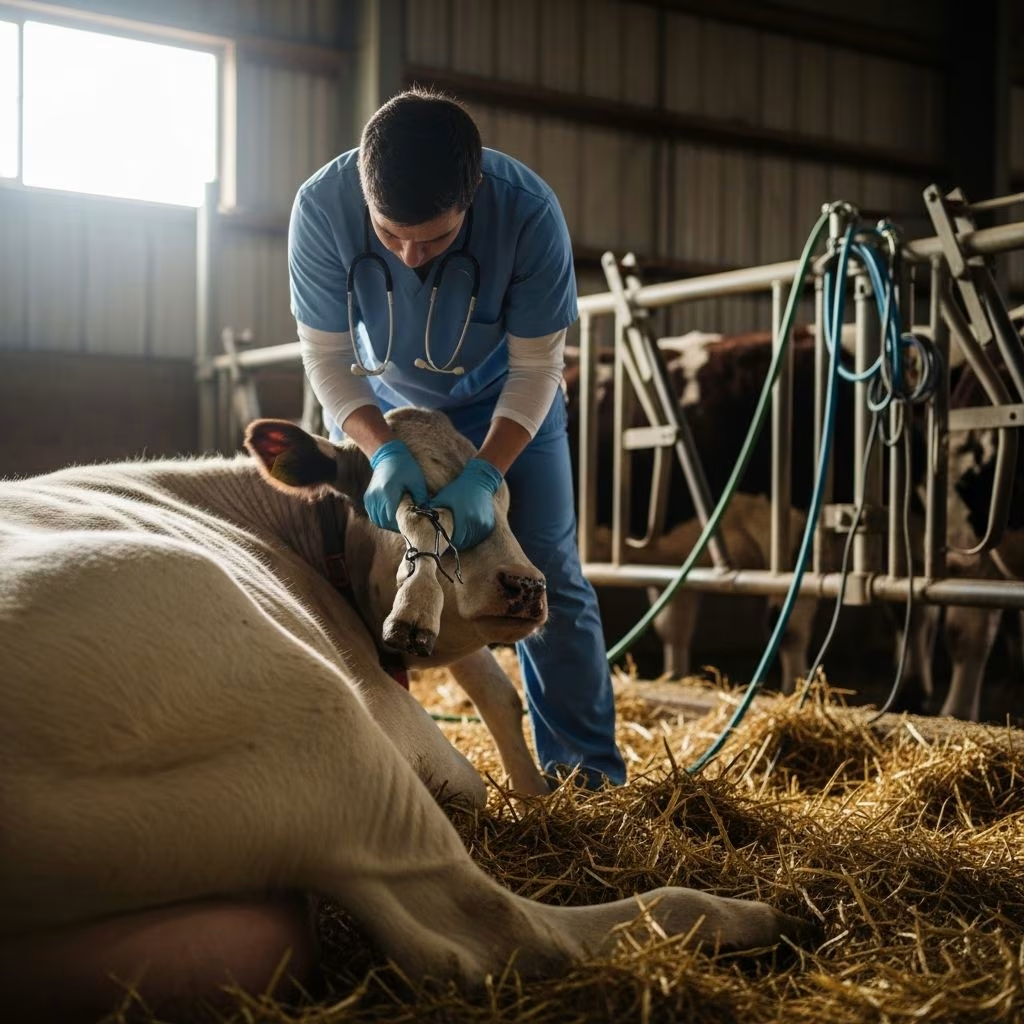
Difficult calving, known as dystocia, presents a significant challenge in cattle production, potentially leading to high mortality rates for both calves and dams while causing long-term productivity losses. Effective management hinges on proactive prevention, vigilant monitoring, and skilled intervention to safeguard animal welfare and farm economics.
Understanding the Roots of Dystocia
Dystocia arises from a complex interplay of factors affecting the dam, fetus, environment, and farm practices. Maternal issues, such as inadequate uterine contractions or a constricted pelvic structure, often stem from nutritional shortfalls or physical anomalies. Fetal-related problems dominate, including improper orientation, excessive size, or developmental defects that impede passage through the birth canal.
Environmental stressors like extreme heat exacerbate risks by weakening contractions, while management errors, such as suboptimal breeding choices, amplify occurrences particularly in first-time mothers. Recognizing these origins is crucial for targeted strategies.
Common Triggers Across Categories
Dystocia manifests through distinct yet overlapping causes, broadly grouped into maternal, fetal, and external influences. Here’s a breakdown:
- Maternal Contributors: Weak uterine activity from calcium deficits, twisted uterus, or incomplete cervical opening delays progress.
- Fetal Contributors: Oversized calves, twisted limbs, backward presentation, or multiples crowd the uterus.
- External Contributors: Poor footing in calving pens, heat exposure, or delayed assistance prolong labor.
| Category | Key Factors | Impact on Calving |
|---|---|---|
| Maternal | Uterine inertia, narrow pelvis | Prolonged stage II labor, exhaustion |
| Fetal | Oversize, malposition | Blockage, hypoxia |
| Environmental/Management | Nutrition gaps, slippery floors | Weak pushing, trauma |
This table illustrates primary drivers, with fetal factors accounting for most cases in beef herds.
Spotting Early Warning Signs
Timely detection prevents escalation. Watch for prolonged straining without fetal parts visible after one hour in stage II, or visible membrane without advancement after four hours.[10] Cows showing excessive pacing, tail switching, or kicking at the vulva signal distress. A single limb or mismatched feet emerging indicates malposition.
In heifers, subtle cues like failure to make headway despite effort warrant closer inspection. Routine checks every few hours during peak calving season enhance outcomes.
Prevention: Building a Resilient Herd
Proactive measures slash dystocia rates by up to 50% through genetic, nutritional, and facility optimizations. Select sires with proven calving ease via estimated breeding values, prioritizing moderate calf weights over extreme growth traits.
Develop heifers adequately: target 65% of mature weight at breeding with balanced rations to expand pelvic capacity without overfattening. Avoid high-energy feeds late in gestation to curb oversized fetuses. Provide spacious, well-bedded calving areas with non-slip surfaces and shade to mitigate stress.
- Genetic screening for dystocia-prone lines.
- Nutritional balancing, especially calcium and energy.
- Calving pen design for observation and traction.
Step-by-Step Intervention Protocols
When natural progression stalls, systematic assessment guides action. Ensure hygiene: clean hands, obstetrical gear, and cow’s rear. Administer epidural anesthesia if straining hinders exam.
Determine presentation by passing a lubricated arm into the canal. Correct postures like bent legs by flexing joints and repelling the calf gently. For extractions, use calf pullers with chains on limbs, applying steady traction synchronized with contractions—never exceed 30 minutes of pulling.
- Visual and vaginal exam for position.
- Reposition fetus if feasible.
- Apply lubricants and traction aids.
- Monitor vital signs throughout.
Severe cases demand veterinary input for fetotomy or cesarean, preserving the dam for future productivity.
Advanced Corrective Techniques
Common malpostures require precise maneuvers. For a flexed elbow, repel the head, grasp the leg mid-cannon, and flex to align the foot. Breech presentations may need partial extraction of hindlimbs before pivoting.
Uterine torsions, twisting clockwise 180-360 degrees, necessitate rolling the cow or surgical correction. Always prioritize calf viability assessment via eye reflexes and gum color.
Post-Dystocia Care for Dams and Calves
Assisted births heighten complication risks. For calves, combat acidosis with IV fluids, oxygen, and warming; ensure colostrum within hours despite weakness. Treat all dystocia calves as high-risk for failure of passive transfer.
Dams face metritis from contamination, retained placenta, or trauma. Administer antibiotics judiciously, calcium boluses for inertia, and NSAIDs for inflammation. Monitor uterine tone and lochia discharge.
- Calves: Dry, warm, colostrum tube-feed if needed.
- Dams: Uterine infusions, supportive nutrition.
Long-Term Economic and Health Ramifications
Dystocia elevates calf mortality by 10-20x and delays dam rebreeding by weeks, slashing milk yields and conception rates. Hypoxic calves suffer lifelong vigor deficits, while dams risk ketosis or infertility.
Farms averaging 5% dystocia incur substantial losses; prevention-focused operations see returns via retained calves and fertile cows.
Frequently Asked Questions (FAQs)
What is the typical timeline for intervening in cattle calving?
Observe for 1-2 hours in stage II; intervene if no progress. Heifers tolerate less time than mature cows.[10]
Can nutrition alone prevent dystocia?
No, but balanced diets reduce risks by 20-30%; combine with genetics.
How do I know if a calf survived dystocia unscathed?
Check vigor, suckle reflex, and later immunoglobulin levels.
Is cesarean section preferable to fetotomy?
Depends on calf value and dam parity; C-section better for live births, fetotomy quicker for dead calves.
What breeds are prone to dystocia?
Large-framed like Charolais in small dams; select easy-calving lines.
Key Takeaways for Farm Success
Integrate surveillance, breeding savvy, and training to conquer dystocia. Collaborate with vets for complex cases, tracking incidence to refine protocols annually.
References
- Roadmap to Dystocia Management—Guiding Obstetric Interventions — PMC. 2024. https://pmc.ncbi.nlm.nih.gov/articles/PMC11943763/
- Dystocia in Livestock: Causes, Signs, and Management — Bivatec Ltd. 2023. https://www.bivatec.com/blog/managing-dystocia-in-livestock
- Management of Dystocia in Cattle — Merck Veterinary Manual. 2025. https://www.merckvetmanual.com/management-and-nutrition/management-of-reproduction-cattle/management-of-dystocia-in-cattle
- Calving Part 2 – Calving Problems (Dystocia) — NADIS. 2023. https://www.nadis.org.uk/disease-a-z/cattle/calving-module/calving-part-2-calving-problems-dystocia/
- What is Dystocia and How to Deal With It — Pasture.io. 2024. https://pasture.io/farm-animal-health/what-is-dystocia-and-dealing-with-it
- How to manage dystocia calves — Bovine Vet Online. 2024. https://www.bovinevetonline.com/news/veterinary-education/how-manage-dystocia-calves
- Parturition and Dystocia — Veterian Key. 2023. https://veteriankey.com/parturition-and-dystocia-3/



