

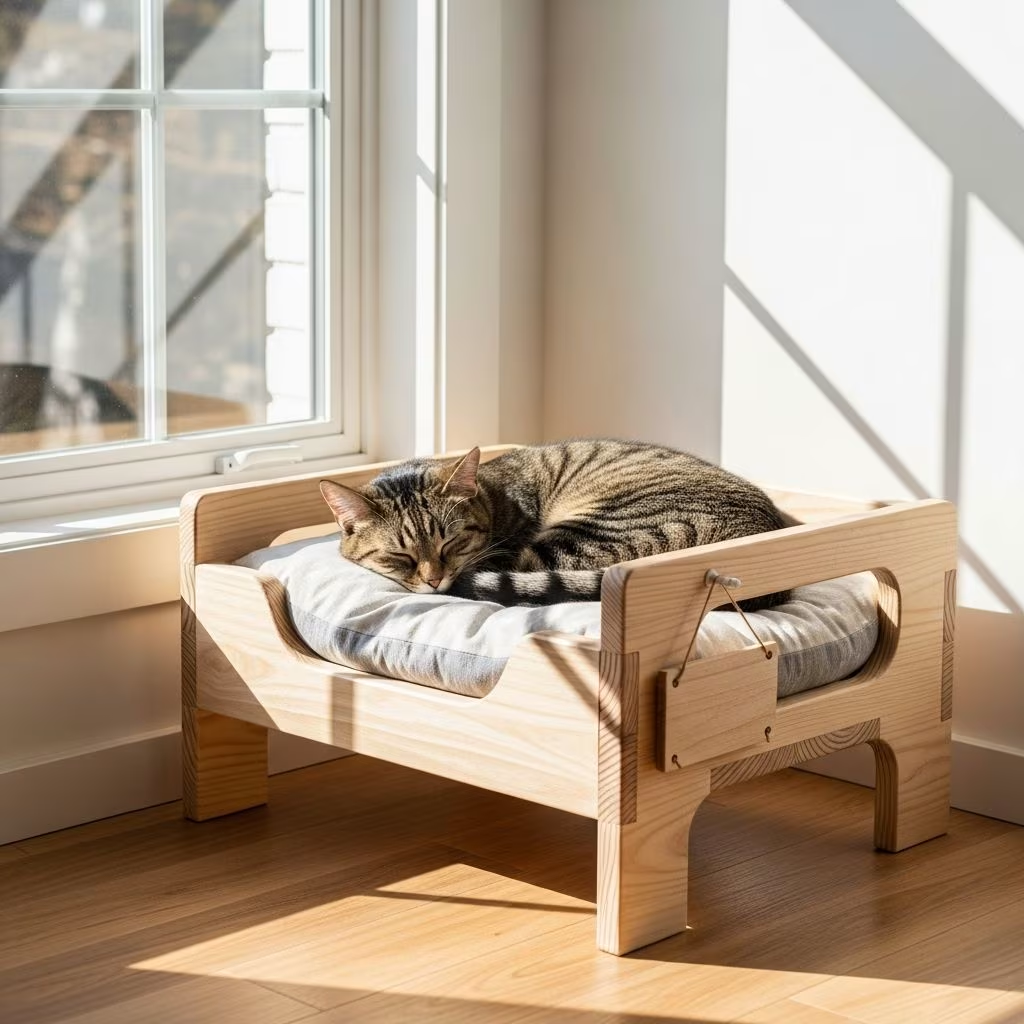
Introduction to Custom Cat Bed Construction
Creating personalized sleeping spaces for your cat offers numerous advantages beyond aesthetics. A handmade wooden bed allows you to customize dimensions, styling, and features to perfectly match your feline companion’s preferences and your home’s décor. Unlike mass-produced options, DIY projects enable pet owners to select quality materials, control construction methods, and build furniture that integrates seamlessly into contemporary or traditional interior designs. Whether you possess extensive woodworking experience or are attempting your first project, multiple approaches exist to construct functional and attractive resting spots for your beloved cat.
Foundational Considerations Before Beginning
Before gathering materials and tools, several preliminary decisions will shape your project’s success. Understanding your cat’s size, sleeping habits, and behavioral preferences informs appropriate dimensions and design features. Some cats prefer enclosed spaces that provide security and privacy, while others favor open platforms with elevated vantage points. Consider the available space in your home and whether you want a standalone piece or an integrated part of your existing furniture arrangement.
Evaluate your current skill level and available workshop tools. Certain designs require only basic hand tools and minimal woodworking experience, while others demand table saws, drills, and pneumatic equipment. Identifying the right complexity level prevents frustration and ensures project completion. Additionally, budget considerations should guide material selection, as reclaimed wood or pallet sourcing can significantly reduce costs compared to purchasing new lumber.
Essential Materials and Tools Overview
Common Wood Types and Selection
Select pine boards for beginner-friendly projects due to their workability and affordability. Pine lumber dimensions typically include 1″ × 2″, 1″ × 3″, 1″ × 4″, and 2″ × 3″ options that serve various structural and aesthetic purposes. Plywood sheets offer versatility for creating larger surface areas and box-style constructions. Reclaimed wood from pallets, old furniture, or salvage sources provides budget-friendly alternatives while adding rustic character to finished pieces.
Hardware and Fastening Systems
Wood screws in various lengths (⅝” to 1.5″) provide reliable connections between lumber pieces. Mending plates and corner brackets reinforce joints and distribute weight effectively, particularly important for supporting feline occupants. Wood nails offer a traditional aesthetic, while wood glue used alone or combined with mechanical fasteners creates strong bonds. For projects incorporating fabric or cushioning, consider using staples applied with a staple gun for secure attachment.
Essential Tool Requirements
Basic hand tools including measuring tape, pencil, and level suffice for fundamental designs. Saws—whether circular, miter, or handsaw varieties—enable precise wood cutting. Drills with multiple bit sizes prepare holes for screws and facilitate assembly alignment. Sanders smooth surfaces and prevent splinters, while safety equipment including glasses and gloves protects during all operations. More advanced projects benefit from table saws, nail guns, and power sanders, though these are not mandatory for simpler constructions.
Design Categories and Complexity Levels
Beginner-Friendly Single-Level Designs
Introductory projects focus on straightforward rectangular platforms or enclosed boxes measuring approximately 20-24 inches in length. These designs typically utilize ½” plywood for the base and 2″ × 2″ boards for framework and structural support. Construction involves cutting materials to size, applying wood glue, fastening components with screws or nails, and adding cushioning or fabric covering. With proper planning and cut lists, beginners complete these projects within a single weekend.
Modern minimalist cat beds exemplify beginner-accessible construction while maintaining sophisticated aesthetics. These pieces feature clean lines, neutral stains, and functional simplicity that complements various interior styles. The straightforward assembly process requires no complex joinery techniques, making them ideal entry points into furniture building.
Intermediate Multi-Tier Constructions
Two-tier or bunk-style cat beds expand project complexity while providing multiple sleeping zones for multiple cats or enrichment opportunities for single felines. These structures typically measure 24-30 inches in width with 18-24 inch heights, accommodating upper and lower platforms connected by ladders or ramps. Construction involves creating separate rectangular frames for each level, reinforcing vertical supports, and installing access mechanisms between tiers.
Ladder construction requires precision cutting of rungs and careful attachment to side rails using pre-drilled holes and screws inserted from interior surfaces. Mending plates and corner brackets provide essential reinforcement for weight distribution across multiple levels. These projects demand intermediate tool skills and approximately 6-10 hours of construction time.
Advanced Architectural Projects
Complex cat condos incorporating multiple platforms, scratching surfaces, climbing features, and integrated hiding spaces represent advanced undertakings. Wood pallet conversion projects transform reclaimed materials into elaborate structures requiring creative problem-solving and extensive tool knowledge. These constructions may reach 4-5 feet in height and incorporate ropes, carpet covering, and intricate structural elements.
Advanced projects demand careful planning through detailed drawings, precise measurements, and methodical sequencing. Budget 15-25 hours for completion, and consider enlisting experienced woodworkers for guidance. The investment yields distinctive, multi-functional pieces that provide exceptional enrichment and aesthetic impact.
Innovative Design Approaches
Upcycled Furniture Transformations
Repurposing existing wooden items creates economical and environmentally conscious cat beds. Television trays, for example, can be flipped upside down so legs form tent-like enclosures. By adjusting leg positioning and adding fabric covering, these items become distinctive tepee-style beds combining rustic appeal with practical functionality. Thrift stores and online marketplaces offer affordable sources for wooden furniture awaiting creative transformation.
Hammock and Suspended Designs
Elevated hammock-style beds provide secure, enclosed resting spots that many cats find appealing. These constructions utilize wooden frames with fabric slings or suspended platforms, requiring knowledge of basic fabric attachment methods. Dowels, cabinet knobs, and decorative hardware enhance both functionality and visual interest. These designs work well in rooms with limited floor space.
Platform and Bench Variations
Simple open platforms mounted at various heights create flexible, stackable sleeping options. These designs accommodate multiple cats and adapt to changing room arrangements. Adding side rails, headboards, or partial enclosures provides variety while maintaining construction simplicity.
Materials Breakdown for Common Projects
| Project Type | Primary Materials | Hardware Essentials | Skill Level | Estimated Time |
|---|---|---|---|---|
| Basic Open Platform | 1″ × 4″ × 8′ pine, ½” plywood | 1.5″ wood screws, wood glue | Beginner | 3-4 hours |
| Enclosed Box Bed | 1″ × 3″ × 8′ pine, ½” plywood | 1.5″ screws, nails, corner brackets | Beginner | 4-6 hours |
| Two-Tier Bunk Bed | 1″ × 4″ × 8′ pine, 1″ × 2″ lumber | Mending plates (16), corner brackets (8), mixed screws | Intermediate | 8-10 hours |
| Multi-Platform Condo | Mixed reclaimed wood, pallet wood | Varied fasteners, rope, staples, carpet materials | Advanced | 15-25 hours |
Step-by-Step Construction Methodology
Planning and Preparation Phase
Begin by measuring your cat to determine appropriate bed dimensions. Sketch designs incorporating your cat’s length plus 4-6 additional inches for comfortable stretching. Create detailed cut lists specifying each piece’s dimensions, preventing material waste and assembly errors. Gather all materials and tools before commencing work, ensuring uninterrupted project flow.
Wood Processing and Preparation
Cut all lumber pieces according to specifications using appropriate saws for your workspace. Sand all surfaces and edges to eliminate splinters and roughness, particularly important for any areas your cat contacts directly. Pre-drill holes where screws will be inserted, preventing wood splitting and ensuring clean, professional assembly.
Frame Assembly Sequence
Construct corner formations by positioning vertical and horizontal pieces at right angles. Attach mending plates or corner brackets using appropriately-sized drill bits and screws, ensuring snug connections without over-tightening. Use clamps to maintain accurate positioning while fasteners set. Check all angles with a level to confirm proper alignment.
Platform Installation and Reinforcement
Attach support slats or platform bases using consistent spacing. Secure slats from underneath whenever possible to create a finished appearance. Verify structural integrity through gentle weight testing before allowing cats access.
Finishing and Cushioning
Apply chosen stains or paints, allowing complete drying before cat introduction. Add comfort layers using pet-safe pillows, travel cushions, or custom fabric covers. Consider your cat’s sensory preferences when selecting textures and materials.
Customization and Personalization Options
Select wood stains matching existing furniture—antique teal, natural pine, walnut, and ebony finishes provide diverse aesthetic options. Paint applications enable creative designs, though pet-safe, non-toxic products are essential. Fabric coverings in your cat’s favorite colors or patterns add personality while providing sensory appeal. Decorative elements like carved cat head silhouettes or personalized nameplates enhance individual character.
Integrated features such as dangling toys, scratching surfaces, or climbing elements increase functionality and enrichment value. Rope wrapped around posts, attached feathers, or sisal surfaces encourage natural behaviors while enhancing your cat’s physical activity.
Safety Considerations and Best Practices
Use only non-toxic wood species and finishes, avoiding pressure-treated lumber which contains harmful chemicals. Ensure all fasteners are completely secure and countersunk to prevent injuries. Sand all surfaces smooth, eliminating potential splinters or sharp edges. Check structural stability regularly, as cat movement and weight distribution may loosen connections over time. Avoid designs with entrapment risks where cats could become stuck between components.
Inspect finished beds periodically for deterioration, particularly where moisture exposure occurs. Replace cushioning as needed to maintain hygiene. Position beds away from direct sunlight exposure that could create excessive heat or fade finishes.
Budget-Conscious Approaches
Sourcing reclaimed materials significantly reduces expenses while promoting sustainability. Check local businesses, construction sites, and demolition projects for salvageable wood. Online platforms and community groups frequently offer free or low-cost pallet wood. Thrift stores provide affordable furniture suitable for upcycling projects.
DIY construction itself represents substantial savings compared to commercial cat furniture pricing. A custom wooden bed costs $30-75 in materials, while equivalent commercial pieces often exceed $200-500. Investment in quality tools provides value across multiple projects, making the per-project cost even more economical.
Troubleshooting Common Construction Challenges
Wood splitting during screw insertion indicates inadequate pre-drilling or screw size mismatch. Remedy this by using smaller diameter screws or larger pre-drill holes. Uneven surfaces suggest inadequate sanding or frame misalignment; verify all corners with a level and re-sand as necessary.
Wobbling structures indicate insufficient bracing or loose fasteners. Reinforce connections with additional brackets or cross-bracing. Weight-bearing failures suggest structural inadequacy; increase support by adding additional vertical posts or reinforcement plates. Uncomfortable cushioning results in bed avoidance; experiment with different pillow types and thickness levels to determine your cat’s preferences.
Frequently Asked Questions
What wood types are safest for cat beds?
Pine, oak, and maple represent non-toxic, cat-safe options. Avoid treated lumber, walnut, and cherry which contain potentially harmful substances. Always use pet-safe stains and finishes.
How do I encourage my cat to use the new bed?
Place familiar bedding or your worn clothing inside to transfer scent. Use toys and treats to encourage exploration. Position the bed in a location where your cat already frequents resting spots.
Can beginners complete these projects successfully?
Yes; simple platform or box designs require minimal tools and skills. Start with beginner projects before progressing to complex designs.
How often requires bed maintenance or replacement?
Inspect fasteners monthly and tighten as needed. Replace cushioning annually or when visibly deteriorated. Well-constructed beds remain functional for many years with basic maintenance.
What dimensions work best for different cat sizes?
Small cats: 18-20 inches length, 12-14 inches width. Medium cats: 22-26 inches length, 16-18 inches width. Large cats: 28-32 inches length, 18-22 inches width. Always measure your specific cat for optimal comfort.
Conclusion
Constructing personalized wooden cat beds combines practical pet care with creative satisfaction. Whether pursuing simple beginner projects or complex multi-level structures, DIY approaches provide customizable comfort while aligning with your home’s aesthetic vision. The process rewards careful planning, quality materials, and methodical execution. By investing time in thoughtful design and construction, you create cherished spaces where your feline companion enjoys restful, secure sleep while experiencing the satisfaction of handcrafted accomplishment.
References
- How to Build Cat Bunk Beds — Dream A Little Bigger. Accessed January 29, 2026. https://www.dreamalittlebigger.com/post/cat-bunk-beds.html
- Cat Bed DIY No Screw | Miniature Dolls Bed / Pet Bed — Instructables. Accessed January 29, 2026. https://www.instructables.com/Cat-Bed-DIY-No-Screw-Miniature-Dolls-Bed-Pet-Bed/
- 14 DIY Wooden Cat Beds You Can Create at Home (With Pictures) — Catster. Accessed January 29, 2026. https://www.catster.com/lifestyle/diy-wooden-cat-beds/
- DIY Modern 2-tier Cat Bed Plans: Stylish Wood Cat Bunk — Etsy. Accessed January 29, 2026. https://www.etsy.com/listing/1828869968/diy-modern-2-tier-cat-bed-plans-stylish
- 20 DIY Cat Bed Plans You Can Make Today (With Pictures) — Hepper. Accessed January 29, 2026. https://articles.hepper.com/diy-cat-beds/



