

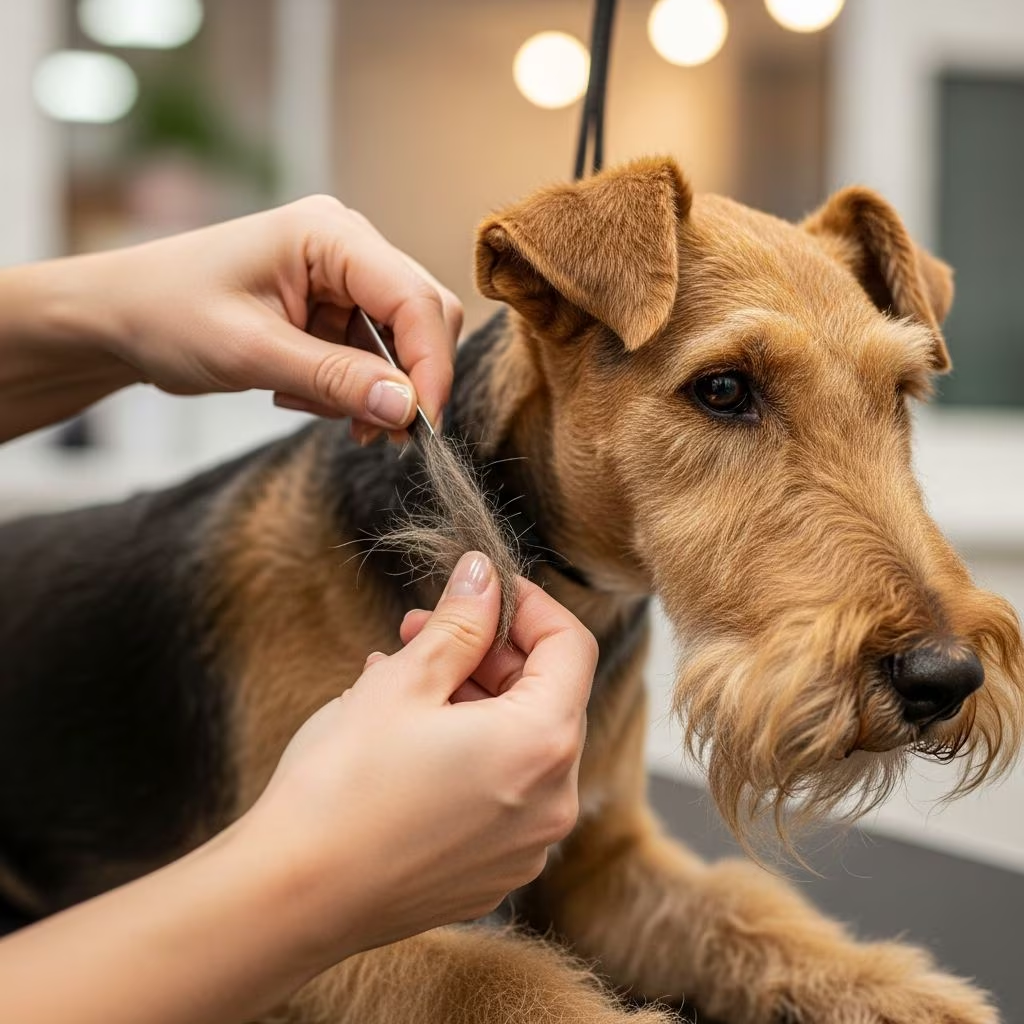
Hand stripping is a time-honored grooming technique designed specifically for dogs with wiry or rough coats, involving the manual removal of dead outer hairs from the root to encourage fresh, healthy growth. Unlike clipping, which merely trims the surface, this method preserves the coat’s natural texture, color vibrancy, and overall vitality, making it essential for breeds like terriers and schnauzers.
Understanding the Essence of Hand Stripping
This grooming practice mimics natural shedding processes observed in wild canines, where environmental factors pull out loose hairs. For domestic dogs with specialized coats, hand stripping ensures the undercoat remains protected while the topcoat regenerates stronger. The process targets hairs in the telogen phase—the resting stage where follicles detach from the root, allowing painless extraction that stimulates new growth cycles.
Coats suitable for hand stripping feature a wiry top layer over a softer undercoat. These hairs grow to a certain length before dying off, and without intervention, they can dull the appearance and lead to matting. By plucking these spent hairs, groomers reveal a denser, shinier coat underneath.
Why Choose Hand Stripping Over Clippers?
Clipping wiry coats often results in a blunt, uneven finish that blunts the hair tips and disrupts texture. Dead hairs left near the skin block follicles, stifling new growth and causing dullness. Hand stripping, by contrast, clears the way for robust regrowth, maintaining the breed’s signature rugged look.
- Texture Preservation: Keeps the coarse, weather-resistant quality intact.
- Color Enhancement: New hairs emerge darker and more vivid.
- Skin Health: Improves airflow to the skin, reducing irritation risks.
Professional groomers note that consistent hand stripping can extend the time between full grooms, as the coat stays tidier longer.
Ideal Breeds for This Grooming Method
Not all dogs benefit from hand stripping; it’s tailored to those with harsh, wiry furnishings. Common candidates include:
| Breed | Coat Characteristics | Stripping Frequency |
|---|---|---|
| West Highland White Terrier | Double-layered wiry topcoat | Every 3-4 months |
| Schnauzer (Miniature, Standard) | Thick, wiry outer coat | Every 2-3 months |
| Border Terrier | Rough, dense texture | Every 4-6 months |
| Jack Russell Terrier | Broken or rough coat | Every 3 months |
| Airedale Terrier | Hard, wiry fur | Every 2-4 months |
These breeds evolved coats for protection in rugged terrains, and hand stripping upholds that functionality while enhancing aesthetics for shows or daily life.
Step-by-Step Guide to Hand Stripping at Home
While professionals handle complex jobs, owners can master basic maintenance with practice. Always prioritize your dog’s comfort to build positive associations.
- Prepare the Environment: Select a non-slip surface like a grooming table. Have treats ready and ensure good lighting. Bathe beforehand only if advised, as dry coats strip easier.
- Assess Readiness: Check for telogen hairs—loose ones that slide out easily. Avoid forcing growth-phase hairs.
- Section the Body: Divide into areas: back, sides, legs, head, and tail. Start with the body for less sensitive spots.
- Grip and Pluck: Pinch 3-5 hairs between thumb and forefinger, pull smoothly in growth direction while supporting skin. Use chalk or finger cots for grip on slippery coats.
- Incorporate Tools if Needed: A stripping knife (serrated edge) aids thicker areas—hold at an angle to pluck, not cut.
- Finish and Inspect: Brush with a slicker or pin brush. Comb through to even out and spot misses.
Initial sessions may take 1-2 hours; experienced hands finish faster. Go gently to avoid discomfort.
Tools and Supplies for Effective Stripping
Quality equipment elevates results and safety:
- Finger Cots or Thimbles: Rubberized for secure grip without skin pinch.
- Stripping Knife: Medium teeth for body, fine for face.
- Chalk Powder: Absorbs oils for better hold.
- Brushes and Combs: Pin, slicker, and fine-toothed for prep and finish.
- Grooming Table: Adjustable height reduces back strain.
Invest in stainless steel tools for durability; sanitize between uses.
Health Advantages Backed by Grooming Experts
Beyond aesthetics, hand stripping supports dermatological wellness. Removing dead hairs prevents follicle clogging, which can lead to bacterial buildup or hot spots. It also distributes skin oils evenly, fostering a resilient barrier against parasites and allergens.
For show dogs, a stripped coat scores higher in breed standards for crisp outlines. Companion pets enjoy reduced shedding indoors, as the process aligns with natural cycles.
Common Challenges and Pro Tips
Novices often face grip issues or uneven results. Solutions include:
- Practice on a small area first.
- Work in short sessions to avoid tiring your dog.
- Time stripping for spring/autumn when shedding peaks.
- If pain occurs, stop—consult a vet for skin sensitivities.
Clipping as a backup dulls regrowth; reserve for emergencies.
Professional vs. DIY: Making the Right Choice
Pros bring breed-specific shaping and speed, ideal for first-timers or competition prep. Costs range $100-300 per session, depending on size. DIY suits maintenance between visits, saving money while bonding with your pet. Hybrid approach: pro full strips, owner weekly rolling (light plucking).
Maintenance Routine Between Full Strips
Weekly care sustains results:
- Brush 2-3 times weekly with pin brush.
- Comb daily to lift dead hairs.
- Roll loose strands during pets.
- Monitor for overgrowth every 6-8 weeks.
This regimen halves professional visit frequency.
Frequently Asked Questions
Does hand stripping hurt my dog?
Proper technique is painless, akin to natural shedding. Dogs often relax or enjoy the massage-like rhythm. Forceful pulls cause discomfort—always go with growth direction.
How often should I hand strip?
Every 2-6 months, varying by breed growth rate and lifestyle. Observe coat: strip when outer hairs loosen.
Can I hand strip soft-coated breeds?
No—it’s for wiry types only. Soft coats risk damage; stick to brushing/clipping.
What if my dog dislikes it?
Desensitize gradually with treats and praise. If aversion persists, seek pros with calming protocols.
Is hand stripping worth the effort?
Absolutely for eligible breeds—superior health and looks outweigh time investment.
Conclusion
Hand stripping transforms wiry dog coats from dull to dazzling, prioritizing health alongside style. With patience and proper method, owners ensure their companions thrive with nature’s finest protection layer intact.
References
- Everything You Need to Know About Hand-Stripping Dog Coats — American Kennel Club (AKC). 2023-05-15. https://www.akc.org/expert-advice/health/hand-stripping-dog-coats/
- What Is Hand Stripping Grooming? Complete Guide — Boops & Bubbles. 2024-02-10. https://www.boopsnbubbles.com/hand-stripping-grooming
- Hand Stripping – Everything You Need To Know — The Pet Retreat. 2023-11-20. https://thepetretreat.co.uk/introduction-hand-stripping/
- Basics of Hand Stripping for Dogs — The Honest Kitchen. 2024-01-08. https://www.thehonestkitchen.com/blogs/pet-obsessed/basics-of-hand-stripping
- Hand Stripping Basics – Gina’s Grooming — YouTube (Gina’s Grooming). 2022-07-12. https://www.youtube.com/watch?v=HcQhgtO_gwg



