

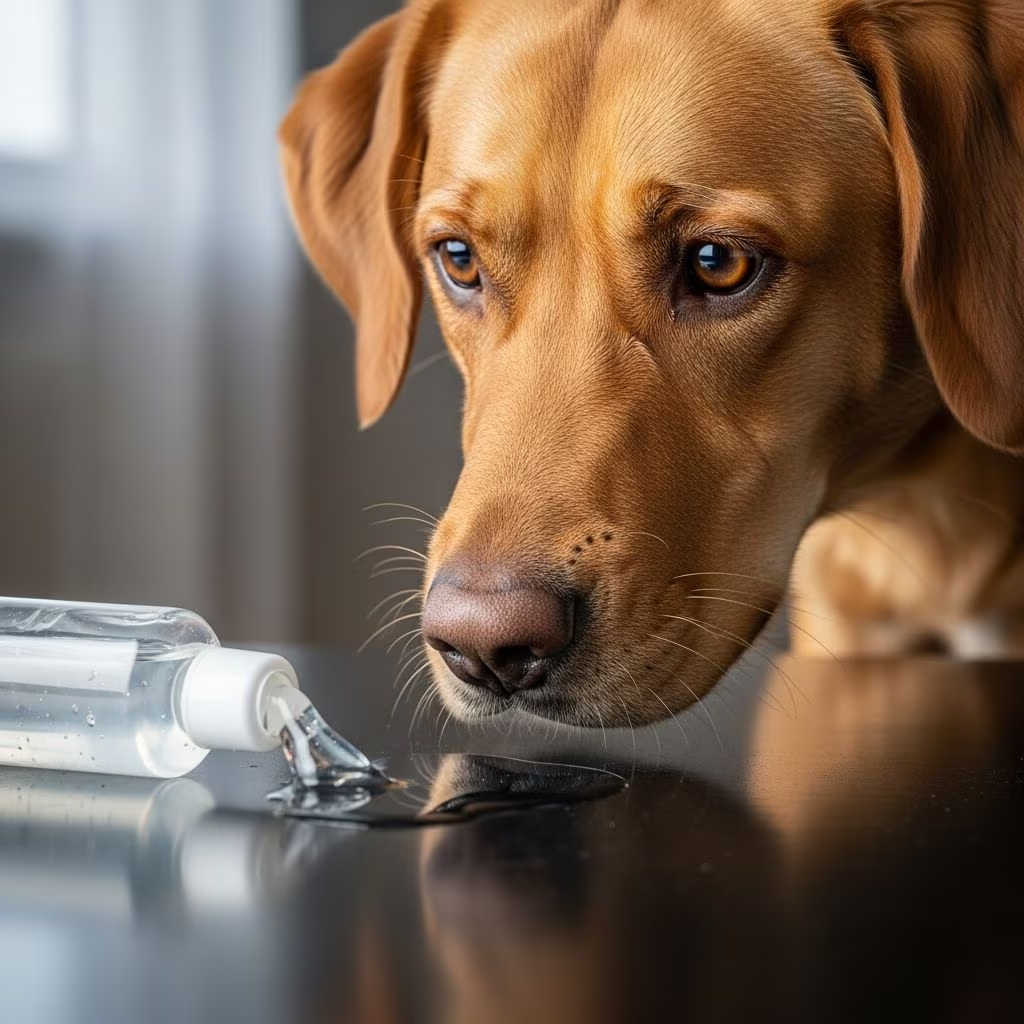
Hand sanitizer has become an indispensable part of modern household routines and personal hygiene practices. Found in virtually every home, car, office, and purse, these convenient products serve an important purpose in reducing germs and maintaining cleanliness. However, for dog owners, this ubiquitous item presents a potential hazard that deserves careful attention and understanding. The alcohol content in these sanitizing solutions can pose serious risks to canine health if ingested in significant quantities, making it crucial for pet owners to understand the dangers and know how to respond appropriately.
Understanding Hand Sanitizer Composition and Why It Matters for Dogs
The primary active ingredient in most hand sanitizer products is ethanol alcohol, which is the same type of alcohol found in beverages such as beer, wine, and spirits. This alcohol serves as the sanitizing agent that kills harmful microorganisms on human skin. Hand sanitizers typically contain ethanol concentrations ranging from 60% to 95% by volume, with formulations varying based on manufacturer specifications and regulatory requirements.
Beyond ethanol, hand sanitizers often contain additional ingredients designed to improve user experience and skin care. Common additives include:
- Artificial fragrances that provide pleasant scents
- Colorants and dyes for visual appeal
- Humectants such as propylene glycol to prevent skin drying
- Emollients and moisturizing agents for skin conditioning
While these supplementary ingredients are generally safe for human use, the ethanol content remains the primary concern for dogs. The canine metabolism processes alcohol differently than human physiology, making dogs significantly more vulnerable to alcohol toxicity. This fundamental difference in metabolic capacity means that relatively small amounts of hand sanitizer can produce severe effects in dogs.
Distinguishing Between Safe Exposure and Dangerous Ingestion
Understanding the difference between minor exposure and genuine toxicity risk is essential for responsible pet ownership. Not all contact with hand sanitizer warrants panic or emergency veterinary intervention.
Safe exposure scenarios include situations where your dog has minimal contact with hand sanitizer residue on your skin. If your dog licks your hands after you have applied hand sanitizer, the amount of product transferred is typically negligible and poses no realistic health threat. Similarly, if your dog grooms themselves shortly after contact with your sanitizer-treated hands, the trace amounts involved will not cause adverse effects. The key factor is that these scenarios involve only microscopic quantities of the product.
Dangerous situations emerge when dogs gain access to the sanitizer bottles themselves and consume substantial quantities of the product. If a dog ingests a significant portion of a hand sanitizer container, the ethanol content can produce effects comparable to acute alcohol intoxication in humans. A dog consuming the entire contents of a small hand sanitizer bottle could experience severe alcohol poisoning requiring emergency medical intervention.
The determining factor for toxicity is dosage. The severity of symptoms experienced by an affected dog depends directly on the quantity of ethanol ingested relative to the animal’s body weight and overall health status. This dose-dependent relationship means that outcomes range from completely asymptomatic to life-threatening based on consumption volume.
Recognizing Alcohol Poisoning Symptoms in Your Dog
If you suspect your dog has ingested a problematic quantity of hand sanitizer, immediate recognition of poisoning symptoms becomes critical. Alcohol poisoning in dogs produces a predictable pattern of symptoms that progress in severity corresponding to the amount ingested.
Early warning signs that may appear shortly after ingestion include:
- Unusual behavioral changes or personality shifts
- Noticeable odor of alcohol on the dog’s breath or in vomit
- Loss of coordination and unsteady gait or staggering
- Excessive drooling or hypersalivation
- Increased thirst and excessive urination or urinary incontinence
- Lethargy or decreased activity levels
- Depression and withdrawal from normal activities
Moderate to severe symptoms that indicate progressive poisoning include:
- Weakness or complete collapse of the body
- Respiratory depression or difficulty breathing
- Vomiting or persistent nausea
- Disorientation and confusion
- Dehydration despite increased thirst
- Hypothermia or dangerously lowered body temperature
- Tremors or involuntary muscle movements
- Seizure activity
Life-threatening symptoms require immediate intensive care and may include cardiac arrest, respiratory failure, coma, or sudden death. These critical signs indicate that irreversible damage is occurring and every moment counts in obtaining emergency veterinary treatment.
Taking Immediate Action When Ingestion Occurs
If you witness or suspect your dog has ingested hand sanitizer, time becomes your critical resource. The speed at which you respond can dramatically influence your dog’s outcome and prognosis. Do not wait for symptoms to appear before seeking professional help, as the window for effective intervention narrows as poisoning progresses.
Your immediate action plan should follow these steps:
- Contact your veterinarian immediately, describing what your dog ingested and approximately how much
- Call the pet poison control hotline if your veterinarian is unavailable, as they provide expert guidance on toxic exposures
- Have information ready about your dog’s weight, age, and any pre-existing health conditions
- Provide details about when the ingestion occurred if possible
- Arrange immediate transportation to an emergency veterinary clinic if recommended
- Do not attempt home remedies or wait to see if symptoms develop on their own
Professional veterinarians will evaluate your specific situation based on your dog’s size, the hand sanitizer’s ethanol concentration, and the estimated quantity consumed. They can determine whether emergency treatment is necessary or if home monitoring is appropriate.
Professional Treatment Options for Hand Sanitizer Toxicity
When veterinary professionals diagnose hand sanitizer poisoning, treatment approaches vary based on the severity of the case and the timing of intervention. Early treatment offers the best outcomes, while delayed intervention can result in permanent damage or death.
Decontamination methods used when dogs are seen shortly after ingestion include gastrointestinal detoxification with activated charcoal, which absorbs remaining alcohol in the digestive system before it reaches the bloodstream. Inducing vomiting may also be attempted if the ingestion was very recent, though timing is critical for effectiveness.
Supportive care therapy forms the foundation of treatment for symptomatic dogs and includes intravenous fluid administration containing essential electrolytes, dextrose (sugar), and sodium bicarbonate. These fluids address the metabolic consequences of alcohol poisoning, including electrolyte imbalances, hypoglycemia, and dangerous acid accumulation in the bloodstream.
Respiratory support becomes necessary for dogs exhibiting depressed respiratory function, which may include supplemental oxygen administration or mechanical ventilation to ensure adequate oxygenation. Without this support, respiratory failure becomes a likely outcome in severely poisoned dogs.
Cardiac monitoring and intervention occurs continuously throughout hospitalization, as alcohol poisoning can trigger dangerous cardiac arrhythmias and arrest. Cardiopulmonary resuscitation may be required if cardiac arrest develops despite other interventions.
Prevention Strategies to Protect Your Canine Companion
Since preventing poisoning is infinitely preferable to treating it, implementing comprehensive safety strategies throughout your home protects your dog from accidental exposure.
Storage solutions should keep all hand sanitizer products secured in locations completely inaccessible to your dog. This means:
- Storing bottles under sinks behind locked cabinet doors
- Keeping sanitizers on high shelves that dogs cannot reach
- Securing travel-size bottles in purses, backpacks, and bags that are stored safely away
- Removing sanitizer bottles from bathroom counters and bedside tables
- Never leaving sanitizer bottles on coffee tables, kitchen counters, or other accessible surfaces
Behavioral monitoring helps you catch problematic situations before they become emergencies. Observe your dog’s behavior patterns and tendencies to investigate household items. Dogs with strong chewing or climbing behaviors may require additional precautions beyond standard storage practices.
Education and awareness of guests and family members ensures everyone understands the danger. Brief visitors and household members about keeping their personal hand sanitizer bottles secured and not leaving them accessible to your dog.
Addressing Common Misconceptions About Hand Sanitizer
Several myths circulate about hand sanitizer and pet safety, and addressing these misconceptions prevents unnecessary panic while maintaining appropriate caution.
The propylene glycol myth claims that hand sanitizer contains the same ingredients as antifreeze and is therefore highly toxic to dogs. This misinformation confuses propylene glycol (a non-toxic humectant found in hand sanitizer) with ethylene glycol (the genuinely toxic ingredient in most antifreeze products). While some environmentally-friendly antifreeze products do contain propylene glycol, the chemical difference of a single carbon atom makes it non-toxic to dogs. This distinction is critically important and eliminates concern about your dog licking your hands after sanitizer application.
The residue risk myth exaggerates the danger of incidental contact with sanitizer on human skin. In reality, the microscopic amounts transferred during casual licking pose no health risk and require no intervention.
Developing Your Pet Safety Plan
Creating a comprehensive safety plan for your home provides peace of mind and ensures you’re prepared for emergencies. Document your veterinarian’s emergency contact information, the location of your nearest 24-hour emergency veterinary clinic, and the poison control hotline number. Keep this information easily accessible in multiple locations, such as on your refrigerator and in your phone’s contact list.
Regularly audit your home for hand sanitizer bottles and other ethanol-containing products, remembering that products like mouthwash, aftershave, and certain medications also contain problematic alcohol levels. Understanding these additional sources of ethanol exposure protects your dog from unexpected poisoning incidents beyond hand sanitizer alone.
Discuss hand sanitizer safety specifically with your veterinarian during routine visits, as they can provide personalized recommendations based on your dog’s individual characteristics and any specific health vulnerabilities. Some dogs with pre-existing liver or kidney disease may face elevated risks from alcohol exposure, requiring extra vigilance.
References
- Is Hand Sanitizer Toxic to Dogs? — PetPlace.com. Accessed February 2026. https://www.petplace.com/article/dogs/pet-health/is-hand-sanitizer-toxic-to-dogs
- Is Hand Sanitizer Bad for Dogs? — Hill’s Pet Nutrition. Accessed February 2026. https://www.hillspet.com/dog-care/healthcare/is-hand-sanitizer-bad-for-dogs
- Should you let a dog lick your hand if you used hand sanitizer? — McGill University Office of Science and Society. Accessed February 2026. https://www.mcgill.ca/oss/article/health-you-asked/should-you-let-dog-lick-your-hand-if-you-used-hand-sanitizer
- Is Hand Sanitiser Poisonous To Pets — Animal Emergency Service Australia. Accessed February 2026. https://animalemergencyservice.com.au/blog/hand-sanitiser-and-pets/
- Hand Sanitizer (Ethanol) Poisoning in Dogs — Wag! Walking. Accessed February 2026. https://wagwalking.com/condition/hand-sanitizer-ethanol-poisoning



