

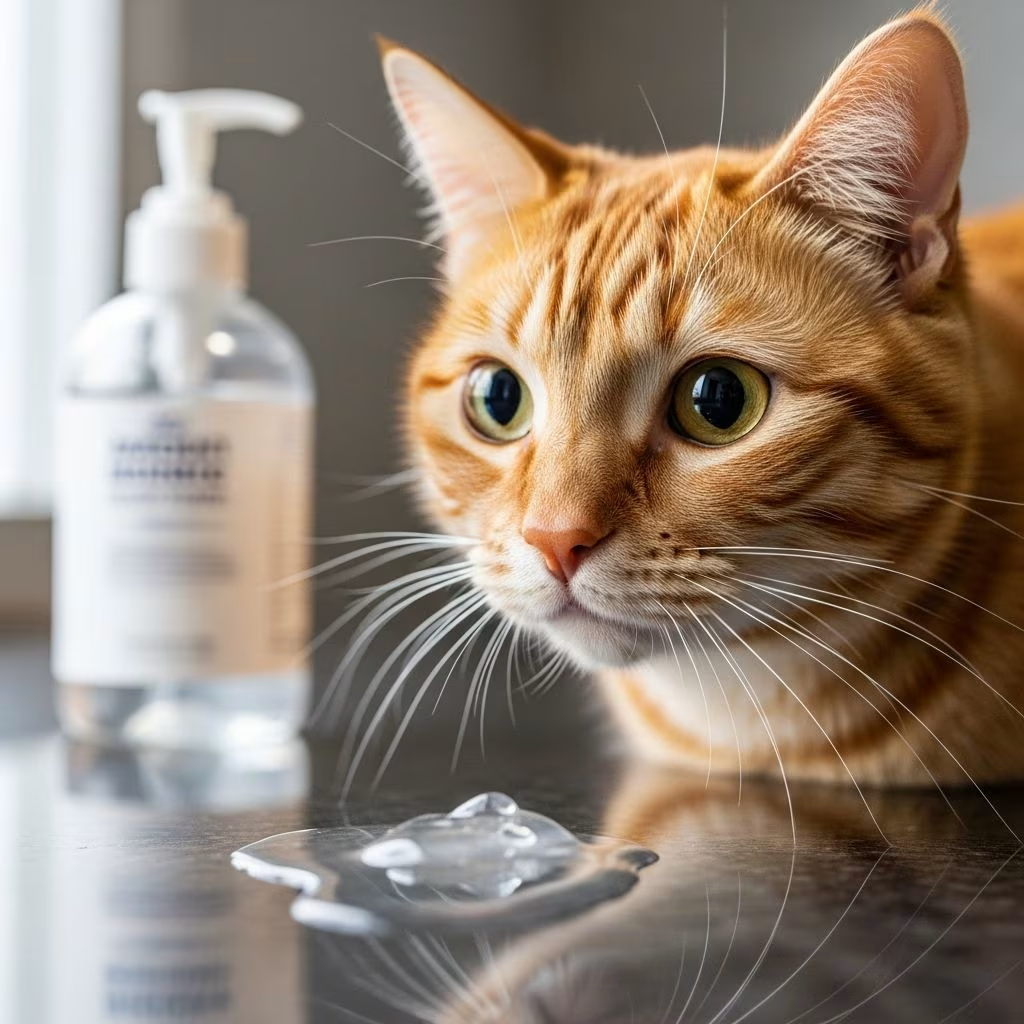
Hand sanitizers, ubiquitous in modern households, contain high concentrations of alcohols like ethanol that effectively combat germs on human skin but pose severe threats to cats. These products can lead to alcohol poisoning if ingested, even in small amounts, due to cats’ grooming habits and sensitivity to toxins.
The Hidden Risks in Everyday Hygiene Products
Cats encounter hand sanitizers indirectly through spills on floors, residue on owners’ hands, or direct access to bottles. Unlike dogs, which may chew containers, cats typically absorb the substance via paw licking during grooming after walking through spills or being petted by treated hands. Ethanol, comprising 60-95% of most formulations, disrupts normal bodily functions rapidly upon exposure.
Beyond alcohol, sanitizers include fragrances, dyes, and preservatives that irritate feline respiratory systems and skin. Cats’ inability to metabolize certain chemicals efficiently heightens vulnerability, turning routine cleaning into potential emergencies.
How Cats Get Exposed to Harmful Sanitizers
- Paw Contact: Stepping in spilled sanitizer leads to ingestion during self-grooming.
- Owner Interaction: Transfer from human hands to cat fur, followed by licking.
- Direct Ingestion: Rare but possible if cats knock over bottles and lap up contents.
- Inhalation: Aerosolized particles or strong odors affecting sensitive airways.
These exposure routes underscore the need for vigilance, as symptoms can emerge within minutes to hours.
Recognizing Alcohol Poisoning Symptoms in Cats
Early detection is crucial for survival. Initial signs mimic intoxication in humans but progress alarmingly fast in cats due to their smaller size and metabolic differences.
| Stage | Symptoms |
|---|---|
| Mild/Early | Alcohol breath odor, drooling, vomiting, staggering, hyperactivity or lethargy |
| Moderate | Weakness, slow breathing, hypothermia, urinary incontinence |
| Severe | Seizures, collapse, respiratory failure, cardiac arrest, coma |
Observe for disorientation or behavioral shifts; even trace amounts can induce dose-dependent effects, worsening with quantity consumed.
Toxic Components Beyond Just Alcohol
While ethanol drives acute poisoning, other ingredients compound dangers:
- Methanol: Causes liver damage, blindness; rarer but equally lethal.
- Triclosan: Disrupts hormones, linked to developmental issues and antibiotic resistance.
- Phenols: Provoke gastrointestinal ulcers, skin burns upon contact or ingestion.
- Fragrances/Dyes: Trigger allergies, respiratory distress in grooming felines.
FDA warnings highlight flavored sanitizers mimicking food, increasing appeal to curious pets.
Immediate Response to Suspected Exposure
Do not induce vomiting at home, as aspiration risks escalate with alcohol’s effects. Contact a veterinarian or pet poison hotline immediately. Provide details on amount, time of exposure, and symptoms.
Veterinary interventions include:
- IV fluids with electrolytes, dextrose, and bicarbonate to correct dehydration, low blood sugar, and acidosis.
- Activated charcoal for gastrointestinal decontamination.
- Respiratory support or ventilation if breathing falters.
- CPR for cardiac events.
Prognosis improves with prompt care; delays can be fatal.
Preventing Accidents in Cat Households
Proactive measures safeguard pets without sacrificing hygiene:
- Storage: Keep bottles in high, locked cabinets away from feline reach.
- Hand Hygiene: Rinse hands with water post-sanitizer before petting; residue levels post-drying pose negligible risk.
- Cleanup: Wipe spills instantly with pet-safe methods; avoid leaving puddles.
- Awareness: Educate household members on risks, especially with children.
Opt for pump dispensers over squeezable ones to minimize spills.
Safe Alternatives for Cleaning and Disinfecting
Human sanitizers aren’t suitable for pets; choose vet-approved options for environments.
| Method | Benefits | Safe For |
|---|---|---|
| Diluted Vinegar Solution | Natural antibacterial, non-toxic | Surfaces, bedding |
| Pet-Safe Sprays (e.g., enzyme-based) | Kills germs without harsh chemicals | Litter areas, toys |
| Soap and Water | Effective mechanical removal | Hands, paws |
| Hydrogen Peroxide (diluted) | Disinfects without alcohol | Hard surfaces only |
Steer clear of phenols, bleach concentrates, or alcohol wipes on pet items.
Understanding Feline Physiology and Toxin Sensitivity
Cats possess fewer detoxifying enzymes in the liver compared to humans or dogs, prolonging toxin circulation. Their fastidious grooming—licking fur multiple times daily—amplifies ingestion risks from topical exposures. Small body mass means even 1-2 ml/kg of ethanol can trigger severe symptoms.
Studies on phenol exposure in animals reveal oral ulcers and gastric damage, emphasizing multi-chemical threats in sanitizers.
Common Myths About Sanitizer Safety Around Pets
- Myth: Licking dry hands is harmless. Fact: Trace transfers are low-risk, but fresh residue warrants rinsing.
- Myth: Cats avoid bitter tastes. Fact: Attractive scents or spills override aversion.
- Myth: Only large ingestions matter. Fact: Dose-dependent; small amounts suffice for poisoning.
Long-Term Health Implications of Repeated Exposure
Chronic low-level contact may weaken skin barriers, foster superbugs via antimicrobial overuse, or sensitize airways. Prioritizing natural cleaners preserves the feline microbiome essential for immunity.
FAQs
Is it safe if my cat licks my hand after using sanitizer?
If fully dry and rubbed in, risk is minimal; rinse for caution.
What if my cat walks through a spill?
Wipe paws immediately and monitor for symptoms; seek vet if ingested.
Are all sanitizers equally dangerous?
Alcohol-based ones are primary threats; check labels for ethanol/isopropanol.
How much sanitizer is toxic to a cat?
As little as a few licks; effects scale with dose.
Can I use sanitizer on my cat’s paws?
Never; opt for plain water and mild soap.
Creating a Toxin-Free Home Environment
Inventory household cleaners, replacing hazards with pet-friendly versions. Designate no-pet zones for human hygiene routines. Regular vet checkups catch subtle toxicities early. Empowering owners with knowledge prevents tragedies, ensuring cats thrive safely amid daily life.
References
- Hand Sanitizer Toxicity in Cats — PetPlace.com. Accessed 2026. https://www.petplace.com/article/cats/pet-health/is-hand-sanitizer-toxic-to-cats
- Is It Safe to Use Sanitizer on Cats? Pet Disinfectant Guide — Moe Puppy. Accessed 2026. https://www.moepuppy.com/blogs/news/is-it-safe-to-use-sanitizer-on-cats-the-best-pet-disinfectants-for-pet-owners
- Can Sanitizers And Disinfectants Do More Harm Than Good For Our Pets — CocoTherapy. Accessed 2026. https://www.cocotherapy.com/blogs/blog/can-sanitizers-disinfectants-do-more-harm-than-good-for-pets
- Hand Sanitiser: Potential Pet Poisoner — Perth Vet Emergency. Accessed 2026. https://pve.net.au/blog/hand-sanitiser-and-pets/
- Safely Using Hand Sanitizer — U.S. Food and Drug Administration (FDA). 2025-07-17. https://www.fda.gov/consumers/consumer-updates/safely-using-hand-sanitizer



