

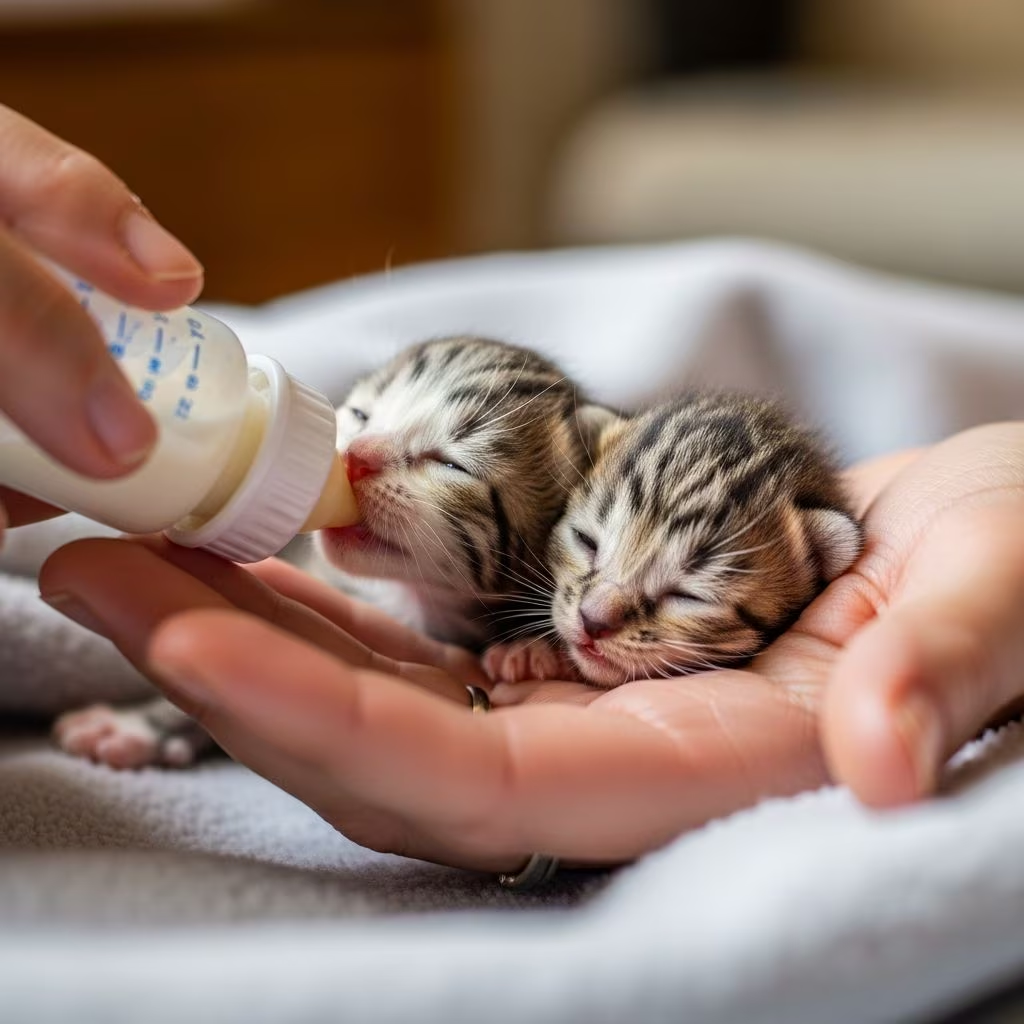
Hand-rearing kittens requires dedication to replicate a mother’s care, ensuring their survival and healthy development through precise attention to warmth, nutrition, hygiene, and stimulation.
Understanding the Commitment of Orphaned Kitten Care
Raising kittens without their mother is a profound responsibility that demands round-the-clock vigilance. Newborn kittens rely entirely on caregivers for essentials like temperature regulation, feeding, waste elimination, and early socialization. This process not only supports physical growth but also influences behavioral outcomes, with hand-reared kittens potentially showing heightened nervousness if not managed properly.
Before starting, consult a veterinarian to assess the kittens’ health and receive tailored advice. Early intervention can prevent common pitfalls, such as hypothermia or digestive issues, which are frequent in orphans lacking maternal antibodies.
Creating a Safe and Warm Environment
Newborn kittens cannot shiver or maintain body heat, making warmth paramount. Maintain an ambient temperature of 85-90°F (29-32°C) for the first week, gradually reducing to 80°F (27°C) by week three and room temperature by week five.
- Use a heat source like a covered heating pad, hot water bottle wrapped in towels, or a low-wattage heat lamp positioned to avoid burns.
- Provide a draft-free enclosure such as a box lined with soft, clean bedding; include a cooler area for kittens to self-regulate as they grow.
- Monitor with a thermometer and check kittens’ ears and paws for warmth—cool extremities signal inadequate heat.
A cozy setup mimics the mother’s body heat, preventing chilling that can lead to weakened immunity and failure to thrive. Kitten-proof the space by securing wires, removing hazards, and using barriers to contain exploration.
Nutrition Essentials: Formulas and Feeding Methods
Never use cow or goat milk, as it lacks proper protein, fat, and nutrients, risking diarrhea and malnutrition. Opt for commercial kitten milk replacers (KMR) formulated to match queen’s milk composition.
Prepare formula by following package instructions: warm to body temperature (100°F/38°C), shake well, and store refrigerated for up to 24 hours. Sterilize bottles, teats, and syringes after each use with boiling water or sterilizing solution to combat infection risks.
Proper Feeding Techniques
Feed in a natural position—belly down, head slightly elevated—to prevent aspiration pneumonia. Allow kittens to suckle actively; never force-feed.
- Bottle Feeding: Use 1-3 ml syringes or bottles with appropriately sized teats. Increase hole size as kittens grow.
- Syringe Feeding: For weak kittens, drip milk onto the tongue, gently stroking the throat to encourage swallowing.
- Tube Feeding: Reserved for trained caregivers; insert a lubricated tube along the roof of the mouth into the stomach under veterinary guidance.
Burp kittens by gently patting after feeds to expel air. Overfeeding causes regurgitation, while underfeeding leads to hypoglycemia—watch for lethargy or crying.
Feeding Schedules by Age
Frequency decreases as kittens mature, transitioning from milk to solids. Adjust based on weight gain (daily 10-15g) and appetite.
| Age | Feed Frequency | Amount per Feed | Diet Notes |
|---|---|---|---|
| 0-1 Week | Every 2 hours (day/night) | 2-4 ml | KMR only |
| 2 Weeks | Every 2-3 hours | 5-10 ml | KMR; weigh daily |
| 3 Weeks | Every 3 hours | 10-15 ml | Introduce soft solids |
| 4-5 Weeks | 4-6 times/day | 15-20 ml + solids | Sloppy wet food, water |
| 6-8 Weeks | 4 times/day | Solids primary | Weaning complete; dry kibble |
These guidelines ensure steady growth; consult vets for underweight kittens.
Stimulating Elimination and Hygiene Practices
Until 3-4 weeks, kittens need manual stimulation to urinate and defecate, as mothers lick the ano-genital area post-feeding.
- Wet a soft cloth or cotton ball with warm water.
- Gently rub in circular motions over the genital and anal regions until waste passes.
- Dry thoroughly to prevent chilling or skin irritation.
- Each kitten must eliminate daily; constipation signals dehydration or illness.
Maintain hygiene by spot-cleaning bedding daily and full changes when soiled. Clean kittens with damp cloths, avoiding baths until 4 weeks. This prevents bacterial overgrowth and supports health.
Weaning Process for Smooth Transition
Weaning mirrors natural progression: start at 3-4 weeks with gruel (KMR-mixed wet food), progressing to solids by 6-8 weeks. Gradual introduction minimizes digestive upset and aggression linked to abrupt changes.
- Offer shallow dishes of warm, blended kitten food.
- Reduce milk feeds as solid intake increases; provide fresh water from 3 weeks.
- Monitor stools: firm and formed indicate success.
Litter training begins at 3 weeks—place in low-sided boxes with unscented litter, rewarding success.
Health Monitoring and Common Challenges
Daily weigh-ins track progress; failure to gain signals issues like parasites or infections. Signs of distress include coldness, diarrhea, vomiting, or lethargy—seek vet care immediately.
Key Vaccinations and Deworming: Start at 6-8 weeks per vet schedule. Common issues like fading kitten syndrome respond to warmth, fluids, and antibiotics.
Socialization for Well-Adjusted Kittens
Hand-reared kittens risk behavioral deficits without mother-sibling interaction. Begin gentle handling from day 3, increasing to 15-30 minutes daily by week 4 with varied people.
- Expose to household sounds, textures, and safe animals positively.
- Group housing fosters play skills; singles need extra stimulation.
- Aim for adoption post-8 weeks to leverage sensitive socialization window (4-8 weeks).
This builds confident, adaptable adults.
Frequently Asked Questions (FAQs)
What if a kitten refuses to eat?
Warm formula, check teat size, and try syringe feeding. Persistent refusal warrants vet exam for underlying issues.
How do I know if the environment is warm enough?
Kittens should be active, pink, and warm to touch. Use incubators if needed for precision.
Can I hand-rear just one kitten?
Yes, but provide plush toys for companionship and extra socialization to compensate.
When should kittens see a vet?
Immediately upon intake, then at 2, 4, and 8 weeks for check-ups.
What bedding is best?
Fleece or towels—absorbent, washable, and soft without loose threads.
Preparing for Adoption
By 8 weeks, kittens should eat independently, use litter boxes, and be microchipped/vaccinated. Educate adopters on spaying/neutering and ongoing care.
References
- Hand rearing kittens — PDSA. 2023. https://www.pdsa.org.uk/pet-help-and-advice/pet-health-hub/other-veterinary-advice/hand-rearing-kittens
- Hand Rearing Kittens — Yarra Ranges Animal Hospital. 2018-04. https://www.yarrarangesvet.com.au/wp-content/uploads/2018/04/Rearing-kittens.pdf
- Hand-rearing kittens — International Cat Care. 2023. https://icatcare.org/articles/hand-rearing-kittens
- Hand-rearing Kittens — Cat Action Trust 1977. 2023. https://cat77.org.uk/feral-cat-info-and-advice/cat-care/hand-rearing-kittens
- Neonate care: Hand-rearing new-born kittens — Rehabber’s Den. 2023. http://www.rehabbersden.org/rehabbers/NeonateCare-Hand-rearingNewBornKittensPage2.html
- Caring for Kittens from Birth to Eight Weeks — University of Wisconsin Shelter Medicine Program. 2023. https://sheltermedicine.wisc.edu/library/guidebooks/guide-to-raising-underage-kittens/caring-for-kittens-from-birth-to-eight-weeks



