

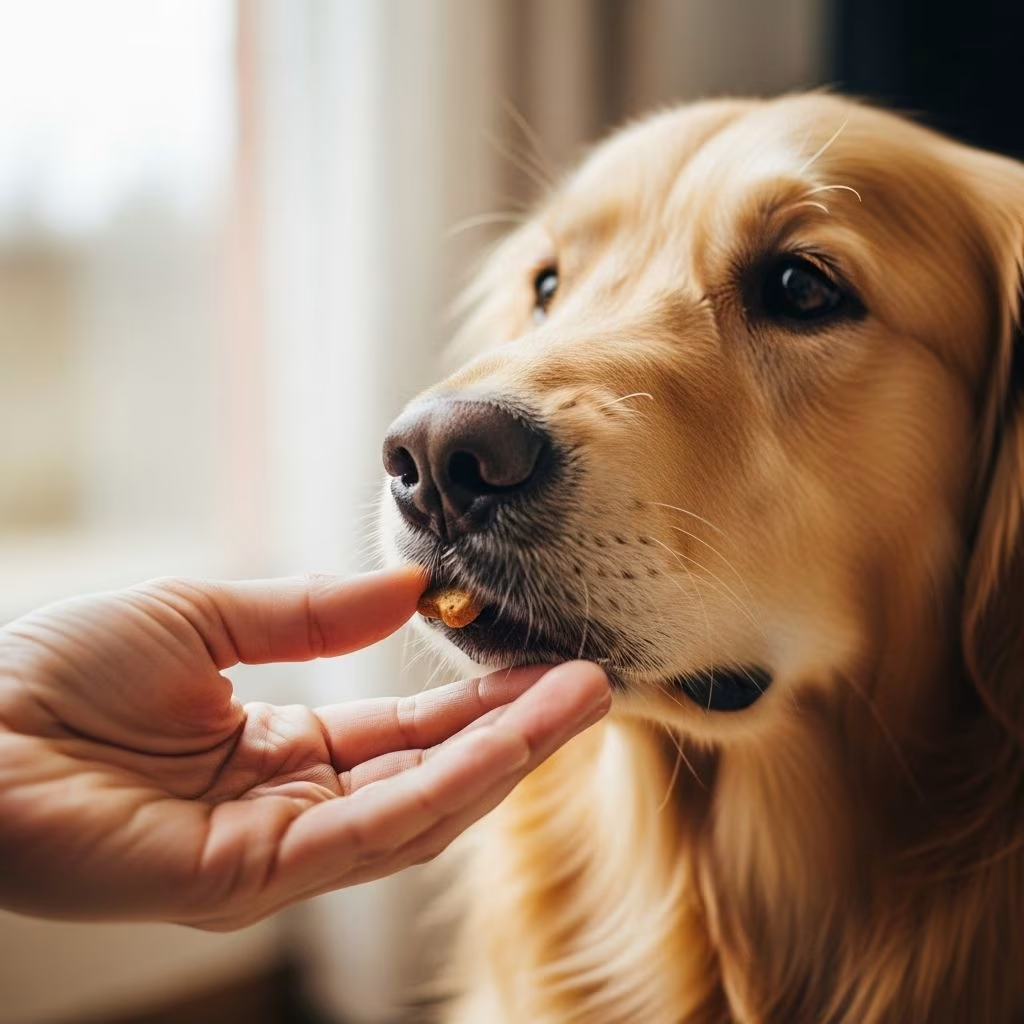
Hand feeding involves delivering your dog’s meals directly from your hand rather than a bowl, transforming routine nourishment into a dynamic training and bonding opportunity. This method leverages food as a primary motivator to foster positive behaviors and deepen the human-canine relationship.
Why Hand Feeding Transforms Dog Ownership
At its core, hand feeding positions you as the source of all good things in your dog’s world. Dogs naturally prioritize resources like food, so controlling its delivery builds inherent respect and motivation without needing extra treats. This approach integrates seamlessly into daily routines, turning mealtimes into productive sessions that enhance focus and obedience.
Research and expert observations highlight how this practice shifts a dog’s perception: instead of viewing a bowl as a ‘magic’ dispenser, they associate you with sustenance, reducing possessiveness and promoting calmer interactions around food.
Key Advantages for Behavior and Training
- Trust and Relationship Building: When hands deliver meals, dogs learn that human approaches signal positive outcomes, countering fears in shy or anxious pets. Gradually involving family or friends extends this comfort zone.
- Preventing Resource Guarding: By making yourself the ‘gateway’ to food, dogs welcome your presence near their meals, minimizing aggression risks. This is especially vital for puppies to establish healthy habits early.
- Impulse Control Development: Teach patience by keeping your hand closed until the dog backs off or looks away, then rewarding calm behavior. This quick feedback loop instills self-restraint.
- Slowing Down Fast Eaters: Dogs prone to gulping food benefit from paced delivery, reducing risks of bloat, vomiting, or digestive upset. You become the natural ‘slow feeder’.
- Mental Stimulation Boost: Disperse kibble through commands like ‘sit’ or ‘stay,’ turning meals into brain games that combat boredom and reinforce skills.
Health Monitoring Through Hand Feeding
Beyond behavior, hand feeding provides intimate insights into your dog’s well-being. Observe appetite changes daily—refusals might signal illness, stress, or dental issues, allowing prompt vet visits. Note demeanor too: enthusiasm reflects good mood, while hesitation could indicate discomfort.
This hands-on method also aids weight management. Portion kibble precisely during sessions, adjusting based on real-time responses, and pair with high-value foods like frozen treats for picky eaters.
Practical Techniques for Success
Start with high-motivation foods such as your dog’s regular kibble or soft treats. Divide the daily ration into small portions for multiple short sessions, ideal for busy schedules.
| Step | Action | Tips |
|---|---|---|
| 1. Prepare | Measure meal into a pouch | Use warm water-softened kibble for appeal |
| 2. Engage | Lure with a piece near nose | Say dog’s name for focus |
| 3. Train | Deliver via ‘sit,’ ‘down,’ etc. | Practice 5-10 reps per handful |
| 4. Vary | Mix obedience, tricks, distance work | End on success |
| 5. Transition | Occasionally use bowl | For boarding adaptability |
For families, supervise children during sessions to ensure safety and teach respect. Puppies adapt quickest, but adults transition with patience.
Addressing Potential Challenges
While powerful, hand feeding demands consistency. Common hurdles include:
- Time Investment: Each meal takes 10-20 minutes initially, challenging for rushed owners. Solution: Start with one meal daily, building as habits form.
- Begging Reinforcement Risk: Inconsistent responses can encourage pawing. Stay firm—reward only desired actions.
- Individual Temperaments: Stressed dogs may need gradual desensitization. Monitor for anxiety and adjust pace.
- Over-Reliance: Balance with occasional bowl feeding to maintain flexibility.
Real-World Applications by Dog Type
High-Energy Breeds: Channel enthusiasm into advanced commands during feeds.
Rescue Dogs: Rebuilds security eroded by past traumas.
Puppies: Establishes lifelong leadership.
Seniors: Monitors subtle health declines while providing gentle interaction.
Expert Insights on Long-Term Impact
Trainers emphasize that dogs ‘working’ for meals mirror wild pack dynamics, where subordinates earn food through service. This earned access motivates better than free bowls, yielding focused, respectful companions. Studies on feeding frequency suggest once- or twice-daily patterns align well with hand methods for optimal health.
Frequently Asked Questions
Is hand feeding suitable for all dogs?
Most benefit, but assess for extreme fear or aggression—consult a professional first.
How long until results show?
Behavioral shifts often appear in 1-2 weeks with daily practice.
Can I use it with multiple dogs?
Yes, feed one at a time to avoid competition, rotating fairly.
What if my dog won’t eat from hand?
Tempt with favorites, start tiny pieces, build tolerance slowly.
Does it replace bowl feeding entirely?
No—mix for practicality, using hand for 50-100% of meals.
Integrating Hand Feeding into Your Routine
Commit to 4-6 weeks for habit formation. Track progress in a journal: note compliance, appetite, and mood. Adjust based on feedback, consulting vets for dietary needs. This investment yields a more attuned, trainable dog, enriching your shared life profoundly.
References
- Enhancing Canine Behavior: The Power of Hand Feeding — Stamford Dog Trainer. 2023. https://stamforddogtrainer.com/enhancing-canine-behavior-the-power-of-hand-feeding/
- Hand Feed Your Dog Its Dinner – There are Many Benefits — American Kennel Club (AKC). 2023-10-15. https://www.akc.org/expert-advice/training/hand-feed-your-dog-dinner/
- Hand Feeding Your Dog: Pros and Cons — HD Interactions. 2022. https://www.hdinteractions.com/hand-feeding-your-dog-pros-and-cons/
- Handfeeding your Puppy with Your Child: The Whys and Hows — Animal Kingdom AZ. 2023. https://www.animalkingdomaz.com/uncategorized/handfeeding-your-puppy-with-your-child-the-whys-and-hows/
- Once-daily feeding is associated with better health in companion dogs — PMC (PubMed Central, peer-reviewed). 2022-06-15. https://pmc.ncbi.nlm.nih.gov/articles/PMC9213604/



