

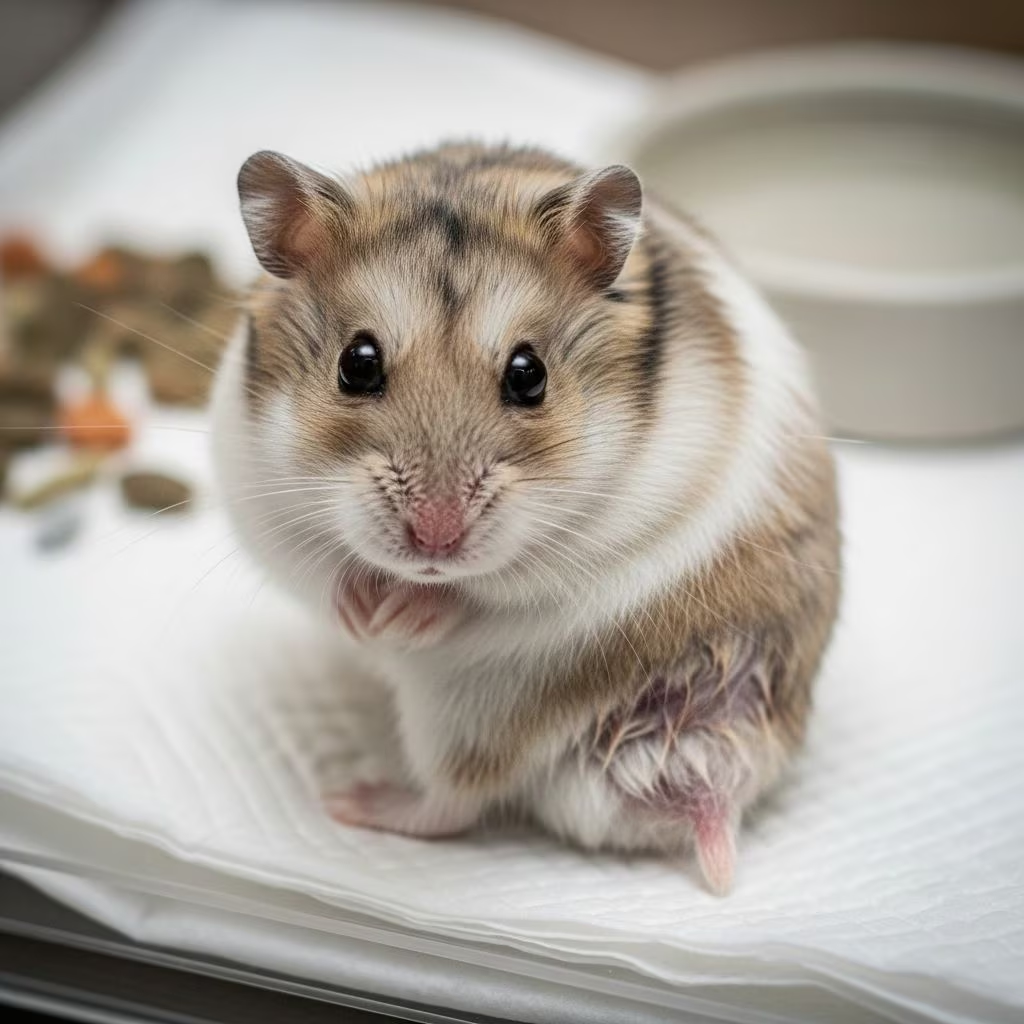
One of the most serious health threats facing hamsters is a condition commonly known as wet tail, medically termed proliferative ileitis. This bacterial infection attacks the small intestine and causes severe diarrhea that can be fatal within hours if left untreated. Understanding this disease, recognizing its symptoms early, and knowing when to seek immediate veterinary care can mean the difference between life and death for your pet hamster.
Understanding the Bacterial Foundation of Wet Tail
Wet tail develops when a hamster becomes infected with the bacterium Lawsonia intracellularis. This microscopic pathogen causes inflammation and thickening of the ileum, which is a critical section of the small intestine responsible for nutrient absorption. When the ileum becomes inflamed and damaged, it can no longer process food properly, leading to severe watery diarrhea and rapid nutrient loss.
However, the presence of this bacteria alone does not guarantee that a hamster will develop wet tail disease. Research indicates that stress plays a crucial role in determining whether an infected hamster actually manifests clinical signs. A hamster may carry the bacteria without showing symptoms, but when stressed by environmental changes, improper handling, or unfamiliar conditions, the immune system may weaken, allowing the bacteria to proliferate and cause illness.
Risk Factors and Vulnerable Populations
While wet tail can affect hamsters of any age, certain groups face significantly higher risk. Young hamsters between three and six weeks old are particularly susceptible. This vulnerable age group includes hamsters commonly purchased from pet stores, where the stress of capture, transport, and new environments can trigger disease onset.
Specific hamster breeds appear to have higher disease susceptibility. Long-haired Teddy Bear hamsters show a notably elevated incidence of wet tail compared to other varieties. Researchers have not definitively explained why this breed experiences more cases, though genetic factors or coat-related hygiene challenges may contribute.
Environmental and behavioral factors significantly increase risk:
- Unsanitary cage conditions with accumulated feces and old bedding
- Excessive handling and frequent cage disturbances
- Exposure to loud noises and household commotion
- Improper temperature control or sudden environmental changes
- Transport stress from relocation or new home adjustment
- Overcrowding in multi-hamster environments
Recognizing the Warning Signs
Early detection of wet tail disease is critical because hamsters can deteriorate rapidly once symptoms appear. The most obvious indicator is a visibly wet, soiled tail and matted fur around the anal area. However, the condition encompasses numerous other symptoms that, taken together, paint a clear picture of serious illness.
Physical and behavioral changes include:
- Severe watery diarrhea, sometimes containing blood
- Loss of appetite and refusal to drink
- Extreme lethargy and reluctance to move
- Hunched posture indicating pain or discomfort
- Dull, lifeless appearance of the eyes
- Unkempt, matted fur throughout the coat
- Sudden aggression or increased irritability
- Audible crying or squeaking when moved
- Abdominal swelling or distension
- Rectal prolapse where tissue extends outside the body
- Foul odor emanating from the cage area
Behavioral changes deserve special attention. A normally docile hamster may suddenly become aggressive when handled, not because of personality change but because the condition is intensely painful. The hamster may spend entire hours curled up without moving, or vocalize distress when disturbed.
Why Immediate Action Saves Lives
The timeline for wet tail is unforgiving. Hamsters can die within 48 hours of symptom onset if untreated, and death may occur as quickly as a few days to a week after initial signs appear. This rapid progression is why veterinary professionals consistently emphasize contacting a vet the moment any wet tail symptoms are noticed.
The aggressive speed of the disease stems from the combination of severe diarrhea and the hamster’s tiny body size. A hamster loses fluids and essential electrolytes at alarming rates, leading to life-threatening dehydration. Additionally, the inability to absorb nutrients from food means the hamster rapidly deteriorates even while technically consuming food.
The prognosis improves dramatically with early treatment. Hamsters examined and treated within 24 hours of symptom onset have substantially better survival chances than those treated later. This emphasizes why delaying veterinary care for even one day can be fatal.
Veterinary Treatment Protocols
Antibiotic therapy is the only cure for wet tail disease. A veterinarian will prescribe specific antibiotics chosen based on their effectiveness against Lawsonia intracellularis. Common antibiotic options include doxycycline, enrofloxacin, and trimethoprim-sulfamethoxazole, typically administered for 5-7 days.
Beyond antibiotics, supportive care addresses the severe complications caused by the infection:
Fluid Replacement: The veterinarian will assess dehydration severity. Severely dehydrated hamsters require intravenous or subcutaneous fluid therapy to restore critical electrolytes and prevent organ failure. Solutions like lactated Ringer’s solution or saline are administered at precise dosages calculated for the hamster’s body weight.
Anti-Diarrheal Medication: Medications such as bismuth subsalicylate may be prescribed to reduce diarrhea severity if it persists despite antibiotic treatment. This helps minimize further fluid loss and allows the intestinal lining to begin healing.
Nutritional Support: Because affected hamsters refuse to eat voluntarily, veterinarians often perform syringe feeding with specially formulated nutritional solutions. This ensures the hamster receives necessary calories and nutrients during recovery.
Environmental Management: Treatment success depends on minimizing stress during recovery. The hamster should be housed in a quiet, warm area away from household noise and activity. Handling should be kept to absolute minimums, and routine cage cleaning should be performed gently to avoid alarming the recovering animal.
Preventing Wet Tail Through Environmental Control
Since stress and poor sanitation are primary triggering factors, prevention focuses on maintaining optimal living conditions and minimizing stress exposure.
Sanitation Standards: The hamster’s cage must be spot-cleaned daily, with soiled bedding, feces, and uneaten food removed. A complete cage overhaul should occur weekly, including thorough washing of water bottles, food bowls, and cage accessories. This prevents bacterial buildup that can be transmitted through fecal-oral contact.
Stress Reduction Practices: Minimize unnecessary handling, especially with young hamsters still adjusting to their environment. Maintain consistent temperature between 65-75°F, avoiding extremes that stress the animal. Reduce exposure to predators, sudden loud noises, and bright lights. Allow hamsters adequate quiet time in their enclosure for natural burrowing and rest behaviors.
New Hamster Acclimation: When bringing a new hamster home, especially young animals from pet stores, allow several days of uninterrupted adjustment in a quiet space before introducing handling or major cage modifications. This reduces stress-induced immune suppression.
Hygiene Protocols for Multiple Hamsters: If maintaining multiple hamster enclosures, practice rigorous hand hygiene between cage interactions. Since wet tail can be contagious between hamsters, contamination of one cage could spread infection to others.
Distinguishing Wet Tail From Simple Diarrhea
Not all hamster diarrhea indicates wet tail disease. Loose stool can result from dietary changes, excessive vegetables, or minor intestinal upset. However, when diarrhea is accompanied by the constellation of symptoms described above—especially lethargy, loss of appetite, and behavioral changes—the condition likely represents true wet tail requiring emergency care.
Because differentiating between simple diarrhea and proliferative ileitis can be difficult without veterinary examination, erring on the side of caution is advisable. A veterinary visit may reveal a less serious condition, but delaying care for true wet tail increases mortality risk exponentially.
Long-Term Considerations for Survivors
Hamsters that survive wet tail disease may face long-term complications. The intestinal damage caused by severe inflammation can lead to subsequent obstruction, intussusception (telescoping of the intestine), or rectal prolapse. These complications may require ongoing veterinary management or potentially euthanasia if quality of life becomes compromised.
Surviving hamsters may also experience recurring bouts of diarrhea or intestinal sensitivity. Close monitoring of diet and continued stress minimization are necessary for long-term wellbeing.
When to Consider Difficult Decisions
Despite available treatment, wet tail carries a poor overall prognosis. Some veterinarians and owners, recognizing the severe pain associated with the condition and low survival rates even with aggressive treatment, may determine that euthanasia is the more compassionate choice. This decision should be made in consultation with a veterinarian who can honestly assess the individual hamster’s chances and quality of life prospects.
Key Takeaways for Hamster Owners
Wet tail disease represents a true veterinary emergency demanding immediate professional intervention. The rapid progression from first symptoms to potential death within 48 hours means that hesitation or waiting to see if the hamster improves on its own is essentially a death sentence.
Successful outcomes depend on:
- Recognizing symptoms immediately upon appearance
- Contacting a veterinarian experienced with exotic pets without delay
- Initiating antibiotic therapy within 24 hours of symptom onset
- Providing supportive care including fluid replacement and nutritional support
- Minimizing stress during the recovery period
- Implementing strong prevention measures going forward
By understanding this disease, remaining vigilant for symptoms, and committing to rapid veterinary care, hamster owners maximize their pets’ chances of survival and recovery from this serious condition.
References
- Everything You Need to Know About Wet Tail in Hamsters — PBS Pet Travel. Accessed 2026. https://www.pbspettravel.co.uk/blog/everything-you-need-to-know-about-wet-tail-in-hamsters/
- Wet tail in Hamsters – Vet Help Direct — Vet Help Direct. Accessed 2026. https://vethelpdirect.com/vets/products/pet-health-library/factsheet-small-pets-condition-wet-tail-in-hamsters/
- Health Emergency: Wet Tail Disease in Hamsters — Small Pet Select. Accessed 2026. https://smallpetselect.com/wet-tail-in-hamsters/
- Wet Tail in Hamsters — Patton Veterinary Hospital. Accessed 2026. https://pattonvethospital.com/blog/98086-wet-tail-in-hamsters
- Hamsters – Exotic and Laboratory Animals — Merck Veterinary Manual. Accessed 2026. https://www.merckvetmanual.com/exotic-and-laboratory-animals/rodents/hamsters
- Wet Tail in Hamsters: Symptoms and Care — PetHelpful. Accessed 2026. https://pethelpful.com/rodents/wet-tail-in-hamsters



