

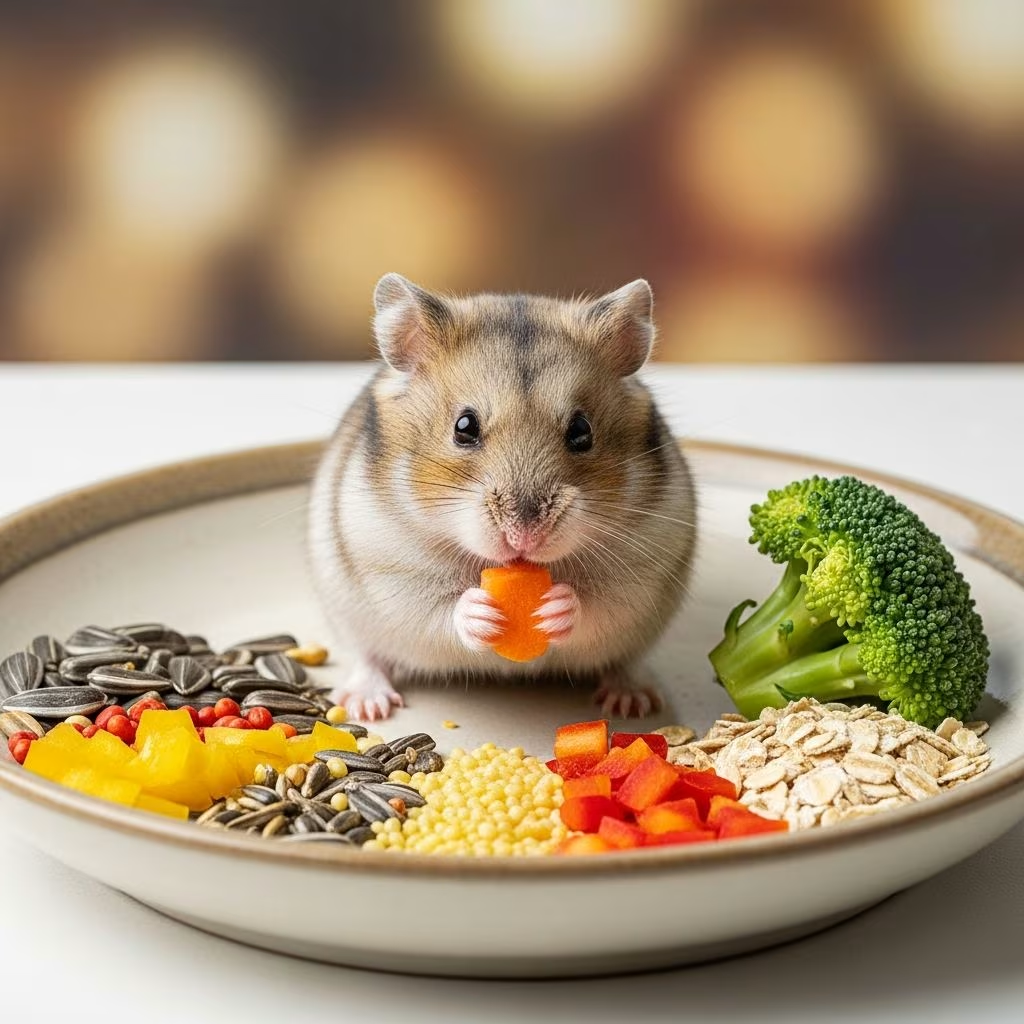
Hamsters thrive on a carefully balanced diet that mirrors their natural foraging habits while meeting domesticated needs. As omnivores, they require a mix of pellets, fresh produce, and occasional proteins to stay healthy and energetic.
Understanding Your Hamster’s Natural Dietary Needs
In the wild, hamsters forage for seeds, grains, insects, and greens, providing a varied nutrient profile. Pet hamsters need a similar balance to prevent obesity, malnutrition, or digestive issues. Commercial diets formulated for hamsters ensure complete nutrition, supplemented by fresh items.
A proper diet supports dental health, as hamsters’ teeth grow continuously and require abrasive foods for wear. It also maintains energy levels for their active nocturnal lifestyle.
Core Components of a Balanced Hamster Diet
The foundation of hamster nutrition is a high-quality pellet-based food, making up 75-90% of their intake. These nuggets contain balanced proteins, fats, fibers, vitamins, and minerals.
- Pellets: Choose lab-block or extruded pellets over seed mixes. Hamsters often ignore nutrient-dense pellets in mixes, leading to deficiencies.
- Portion Control: Follow package guidelines, typically 1-2 teaspoons daily per adult hamster, adjusted for size and activity.
Daily Feeding Routine
Feed pellets once daily in the evening, aligning with their active hours. Scatter slightly to encourage natural foraging behavior, reducing boredom.
Safe Vegetables and Greens for Daily Variety
Fresh vegetables provide hydration, fiber, and vitamins, comprising 10-15% of the diet. Offer small, bite-sized pieces daily, rotating types to ensure broad nutrition.
| Vegetable | Benefits | Frequency |
|---|---|---|
| Romaine Lettuce | High water content, low calorie | Daily |
| Kale or Spinach | Vitamins A, C, K | 2-3 times/week |
| Cucumber | Hydration, low sugar | Daily |
| Carrots (baby, diced) | Vitamin A, but sugary | Occasional treat |
| Bell Peppers | Vitamin C, antioxidants | 2-3 times/week |
Wash thoroughly and remove uneaten portions within 24 hours to prevent spoilage.
Fruits as Occasional Treats
Fruits offer sweetness and nutrients but are high in sugar, so limit to 1-2 small pieces weekly. Remove seeds and pits.
- Apples (seedless slices): Hydrating and fibrous.
- Bananas: Potassium-rich, in tiny amounts.
- Strawberries or Blueberries: Antioxidants; may stain light fur temporarily.
- Melon or Pears: Refreshing options.
Excess fruit can cause diarrhea or weight gain.
Protein Sources to Boost Health
Omnivorous hamsters benefit from animal proteins 1-2 times weekly for muscle maintenance and coat shine.
- Mealworms or Crickets (dried/live): Natural insect protein.
- Hard-boiled Egg (small piece): Complete protein.
- Cooked Chicken (plain, diced): Lean option.
Start small to avoid digestive upset; pellets often include baseline protein.
Seeds, Nuts, and Hay Supplements
These add texture and enrichment but are calorie-dense, so use sparingly.
- Sunflower Seeds/Pumpkin Seeds: Unsalted, 2-3 per day max.
- Nuts: Unsalted, no almonds; occasional tiny pieces.
- Hay/Timothy: Unlimited for chewing and digestion.
Avoid seed-heavy mixes as primary food.
Foods That Are Toxic or Harmful to Hamsters
Certain items can cause poisoning, obesity, or organ damage. Always err on caution.
| Category | Dangerous Foods | Risks |
|---|---|---|
| Toxic Plants | Onions, Garlic, Leeks, Chives, Rhubarb | Gastrointestinal damage, anemia |
| Fruits/Seeds | Citrus, Apple Seeds, Grape Seeds, Almonds | Acid upset, cyanide poisoning |
| Processed | Chocolate, Sugary/Salty Snacks, Dairy, Raw Beans/Potatoes | Obesity, toxicity, digestive block |
| Other | Pork, Pickles, Jams, Spicy Peppers | Bacterial risk, diarrhea |
Iceberg lettuce lacks nutrition and can cause runny stools.
Water: The Unsung Hero of Hamster Nutrition
Fresh, clean water is vital daily via sipper bottle. Change twice daily; use filtered water to avoid minerals buildup.
Feeding Schedules by Hamster Life Stage
Baby Hamsters (Weaning to 6 Weeks)
High-protein starter pellets; introduce soft veggies gradually.
Adults (6 Weeks+)
Balanced adult formula; monitor weight.
Seniors (18+ Months)
Lower calorie, higher fiber; softer foods if teeth wear.
Common Diet Mistakes and Fixes
- Mistake: Free-feeding seeds. Fix: Pellets only base.
- Mistake: Over-treating. Fix: Treats <10% diet.
- Mistake: Ignoring uneaten food. Fix: Daily spot-clean.
Obesity signs: Bulging sides, lethargy. Adjust portions and exercise.
Special Considerations for Syrian vs. Dwarf Hamsters
Syrian (larger): More pellets. Dwarfs (smaller, diabetes-prone): Less fruit/seeds.
FAQs
Can hamsters eat bread or pasta?
Small amounts of plain, cooked whole wheat pasta or bread occasionally for fiber.
How often should I give treats?
2-3 times weekly, tiny portions.
What if my hamster refuses pellets?
Mix gradually with seeds; consult vet for health checks.
Is popcorn safe?
Plain, air-popped, unbuttered in moderation.
Do hamsters need vitamins?
Not if on balanced pellets; excess harms.
Monitoring Health Through Diet
Watch for diarrhea (too much wet food), dry coat (protein lack), or selective eating. Vet check-ups ensure optimal nutrition.
Maintaining a varied, measured diet promotes longevity—up to 2-3 years for pets.
References
- What To Feed a Pet Hamster — RSPCA. 2023. https://www.rspca.org.uk/adviceandwelfare/pets/rodents/hamsters/diet
- Hamster Diet — Evergreen Bird and Hamster Society. 2021-07. https://ebhs.org/wp-content/uploads/2021/07/Hamster-Diet-final.pdf
- What Can Hamsters Eat? — PetMD. 2024. https://www.petmd.com/exotic/what-can-hamsters-eat
- Feeding your hamster — Omlet. 2024. https://www.omlet.us/guide/hamsters/caring_for_your_hamster/feeding_your_hamster/
- Caring for your HAMSTER OR GERBIL — Oxbow Animal Health. 2024-03. https://oxbowanimalhealth.com/wp-content/uploads/2024/03/Hamster-Gerbil-Care-Guide-Feb-2024.pdf
- Hamster care & nutrition — UK Pet Food. 2024. https://www.ukpetfood.org/pet-care-advice/advice-for-small-mammals/hamster-care-nutrition.html



