Hamster Ball Tips: Safe Exercise & Enrichment Guide
Master hamster ball safety with expert tips for proper sizing, introduction, and supervised exercise.
Hamster Ball Tips: A Complete Guide to Safe Exercise and Enrichment
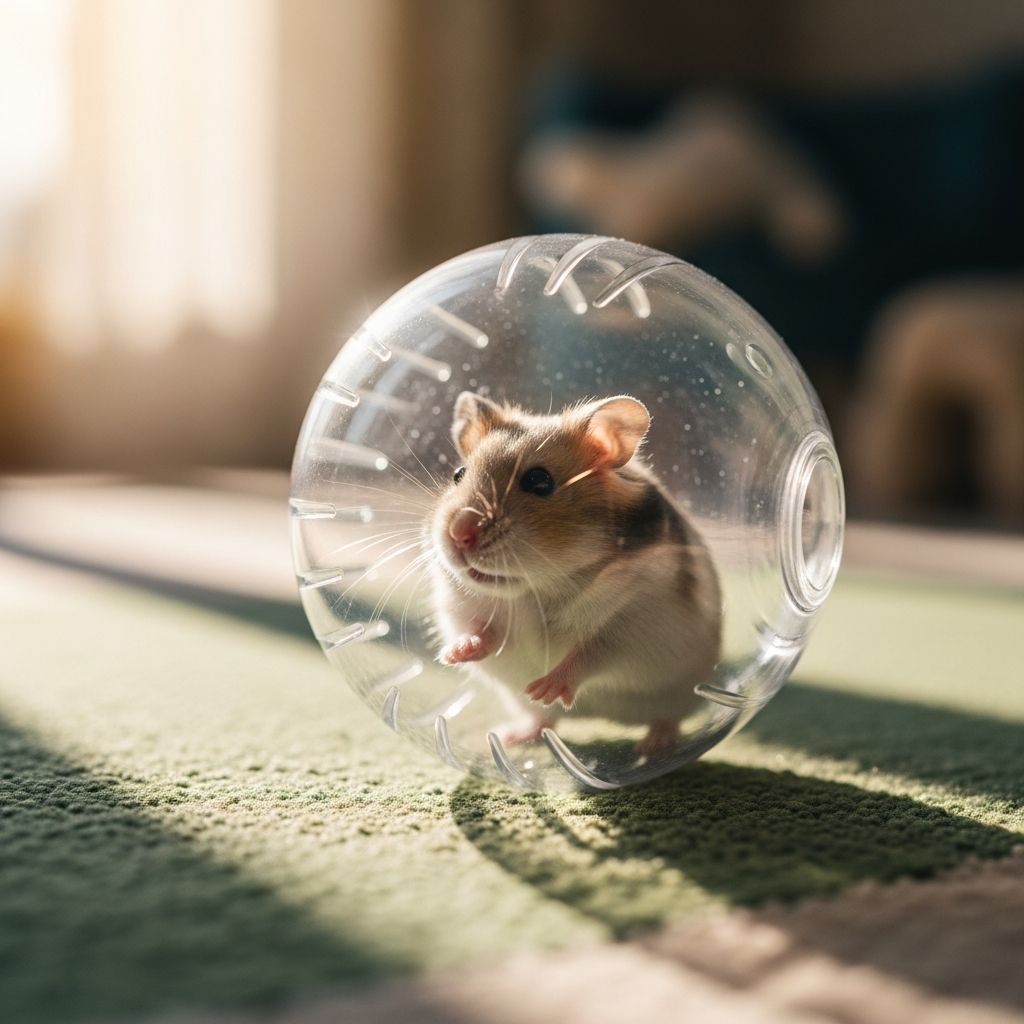
Hamster balls are popular exercise toys designed to provide confined spaces with hamsters the opportunity to move and explore safely. However, these devices require careful attention and proper usage to ensure your hamster remains healthy and comfortable during playtime. Understanding the fundamentals of hamster ball safety, sizing, and maintenance is essential for any hamster owner looking to incorporate this toy into their pet’s enrichment routine.
Understanding Hamster Ball Safety
While hamster balls can be beneficial for exercise, they pose several potential risks if not used correctly. The primary safety concerns include improper sizing, inadequate ventilation, overheating, and falls from heights. Additionally, hamster balls can restrict natural behaviors and may cause stress if introduced too quickly or used for extended periods. Understanding these risks allows you to make informed decisions about whether and how to use a hamster ball with your pet.
The key to safe hamster ball usage lies in matching the ball to your hamster’s size, ensuring proper ventilation, maintaining cleanliness, and providing close supervision during all exercise sessions. When these factors are addressed appropriately, hamster balls can serve as a useful enrichment tool for your small pet.
Proper Hamster Ball Sizing
One of the most critical aspects of hamster ball safety is selecting the correct size for your specific hamster. An improperly sized ball can cause physical discomfort, spinal stress, and injuries. The appropriate ball diameter depends on your hamster’s breed and individual size.
Size recommendations by hamster breed:
| Hamster Breed | Minimum Diameter | Maximum Diameter |
|---|---|---|
| Syrian Hamsters | 8 inches | 12 inches |
| Dwarf Hamsters | 7 inches | N/A |
| Roborovski (Robo) Hamsters | 5 inches | N/A |
| Chinese Hamsters | 5 inches | N/A |
When selecting a ball, account for the fact that female hamsters are typically larger than males of the same breed. If the ball is too small, it will restrict your hamster’s natural posture and put excessive stress on their spine, leading to discomfort and potential injury. Conversely, a ball that is too large may allow your hamster to become trapped or injured inside. Always measure your hamster and choose a ball that allows them to maintain a natural, upright position without touching the interior walls.
Choosing the Right Ball Color and Material
Beyond size, the color and material of your hamster ball significantly impact safety and comfort. Light-colored balls are strongly recommended over darker alternatives because they do not trap as much heat. Dark plastic balls can contribute to dangerous temperature increases during exercise, potentially leading to overheating—a serious health risk for hamsters.
Look for balls constructed from durable, non-toxic plastic with adequate ventilation holes. The ventilation slits must be properly sized and numerous enough to allow consistent air circulation. Inadequate ventilation can lead to heat accumulation and the buildup of ammonia gas from urine, which irritates your hamster’s eyes, respiratory tract, and skin.
Introducing Your Hamster to the Exercise Ball
A gradual introduction is essential to help your hamster become comfortable with the ball and build confidence. Rushing this process can cause stress and anxiety, making your hamster fearful of the toy.
Step-by-step introduction process:
Day 1-3: Begin by placing half of the exercise ball inside your hamster’s cage with the open side facing upward. Leave it there for several days without closing it. Place a treat inside the open ball to encourage your hamster to explore and climb inside on their own terms. This allows them to investigate the toy without feeling trapped or threatened.
Day 4-7: Once your hamster is comfortable entering and exiting the open ball independently, continue placing treats inside to reinforce positive associations. Repeat this process over several additional days until your hamster enters the ball confidently without hesitation.
First Enclosed Use: When your hamster demonstrates comfort with the open ball, you can try enclosing them inside for brief periods. During these initial enclosed sessions, always include a treat inside the ball to maintain comfort and positive feelings. Keep these sessions very short—just a minute or two.
Letting Your Hamster Control the Experience: Once your hamster is comfortable in an enclosed ball, it is critically important to allow your hamster to choose when to roll the ball and at what speed. Never force your hamster to run by rolling the ball yourself. Your hamster should have complete control over their movement and pace.
Recognizing Signs of Fear and Stress
During all interactions with the hamster ball, carefully observe your pet’s behavior for signs of anxiety or distress. If your hamster exhibits any of the following behaviors, they should be removed from the ball immediately:
Hyperactivity or excessive running, compulsive or aggressive behaviors, visible hair loss, vocalizing or squeaking, excessive salivation, muscle tremors, or rigidity and freezing. These signs indicate that your hamster is frightened and needs to be removed to a safe, familiar environment. Never force a stressed hamster to remain in the ball.
Hamster Ball Cleaning and Maintenance
Proper cleaning is absolutely essential for hamster health and safety. Hamsters naturally drop food and excrete urine and feces inside the ball while using it, and stressed hamsters eliminate even more frequently. This accumulation can create potentially toxic or infectious conditions.
Cleaning protocol:
Clean the hamster ball thoroughly with mild soap and rinse completely with water before each use. After your hamster has used the ball, clean it again immediately before storing. This two-stage cleaning process prevents the buildup of waste materials and harmful bacteria.
Pay special attention to all ventilation slits and crevices where debris can accumulate. Use a soft brush if needed to reach tight areas. Ensure the ball is completely dry before storing or using it again to prevent mold growth and bacterial proliferation.
Creating a Safe Exercise Environment
The environment where your hamster exercises in the ball is just as important as the ball itself. A safe, supervised area prevents accidents and injuries.
Environmental safety considerations:
Exercise your hamster in a secure, enclosed space free from obstacles and hazards. Ensure the area is completely barricaded to prevent your hamster from rolling down stairs or steps, which could result in serious injury or death. Remove all items that could puncture or damage the ball during rolling.
Keep other pets and children away from the exercise area during hamster ball time. Accidental interference from curious animals or children can cause unexpected injuries or frighten your hamster. Always supervise your hamster while they are in the ball—never leave them unattended, even for a few moments.
Check that the ball’s opening is properly closed and secured before allowing your hamster to move around. An improperly fastened opening allows your hamster to fall out, potentially causing lacerations, bruises, broken bones, or serious head injuries.
Establishing Appropriate Exercise Duration
Time limits are essential to prevent stress, fatigue, and overexertion. Hamsters should not spend extended periods confined in exercise balls.
Exercise duration guidelines:
Begin with very short sessions of 3 to 5 minutes for first-time users. If your hamster shows no signs of fatigue or distress, you can gradually increase the duration by a few minutes at a time. The maximum recommended exercise time is 15 minutes total per session. Stop immediately if your hamster shows signs of exhaustion, such as reduced activity, stopping to rest, or excessive panting. These behaviors indicate your hamster has reached their physical limit and needs to be removed from the ball and returned to their cage to rest and recover.
Alternative Exercise and Enrichment Options
While hamster balls can provide exercise, they are not the only option for hamster enrichment and movement. Consider incorporating alternative enrichment tools alongside or instead of exercise balls:
Enhanced hamster wheels: Modern hamster wheels provide excellent exercise without the confinement and restriction of balls. The Oxbow Enriched Life 2 in 1 Fitness Ball represents an innovative alternative that combines the benefits of a traditional ball with a freestanding base that attaches to the habitat for tethered exercise, while also allowing the ball to be detached for supervised unrestricted use.
Hamster playpens: Create a secure play area using a bathtub with a blanket covering the slick bottom to prevent slipping. Add toys, tunnels, and climbing structures for enriched play while keeping your hamster safely contained and away from potential hazards. This allows natural behaviors while maintaining safety.
Environmental enrichment: Provide varied textures, materials, and climbing opportunities within the main enclosure. Rotate toys regularly to maintain stimulation and interest. Include items to chew on, places to hide, and structures to climb, supporting your hamster’s natural behaviors without the risks associated with exercise balls.
Frequently Asked Questions
Q: What size hamster ball do I need for my Syrian hamster?
A: Syrian hamsters require a minimum diameter of 8 inches and a maximum of 12 inches. Choose a size that allows your hamster to maintain a natural, upright position without their back touching the top of the ball.
Q: How long can my hamster stay in the exercise ball?
A: Begin with 3-5 minute sessions for new users. Gradually increase to a maximum of 15 minutes total per session. Always watch for signs of fatigue or stress and remove your hamster immediately if they appear tired or anxious.
Q: Why is ventilation so important in hamster balls?
A: Proper ventilation prevents heat buildup and ammonia gas accumulation from urine. Inadequate ventilation can cause overheating and respiratory irritation, creating serious health risks for your hamster.
Q: Can I use a dark-colored hamster ball?
A: Light-colored balls are strongly recommended. Dark balls trap significantly more heat, which can lead to dangerous overheating during exercise. Always choose light-colored options for your hamster’s safety.
Q: How often should I clean the hamster ball?
A: Clean the ball with soap and water before and after every use. This prevents waste accumulation and the buildup of potentially toxic or infectious material that could harm your hamster.
Q: What should I do if my hamster seems afraid of the ball?
A: Remove your hamster immediately and take a break from ball training. Resume the introduction process more slowly, spending more days with the open ball before attempting to enclose your hamster. Never force a frightened hamster into the ball.
Q: Can I use a hamster ball on carpet or outdoor surfaces?
A: Use the hamster ball only on smooth, flat surfaces that are completely free of obstacles, stairs, and other hazards. Ensure the exercise area is fully enclosed and supervised at all times.
Conclusion
Hamster balls can serve as a useful enrichment tool when used safely and responsibly. Success requires careful attention to sizing, gradual introduction, proper maintenance, appropriate supervision, and reasonable exercise duration. By following these comprehensive guidelines, you can provide your hamster with beneficial exercise opportunities while minimizing risks and ensuring their comfort and wellbeing. Remember that every hamster has a unique personality and comfort level—always prioritize your individual pet’s needs and preferences when incorporating exercise balls into their enrichment routine.
References
- Are Hamster Exercise Balls Dangerous? — PetMD. 2024. https://www.petmd.com/exotic/care/are-hamster-balls-dangerous
Similar Articles








Read full bio of Sneha Tete