Hamster Abscess Care: Essential Tips For Prevention & Recovery
Learn to spot, treat, and prevent abscesses in hamsters for a healthier, happier pet life.
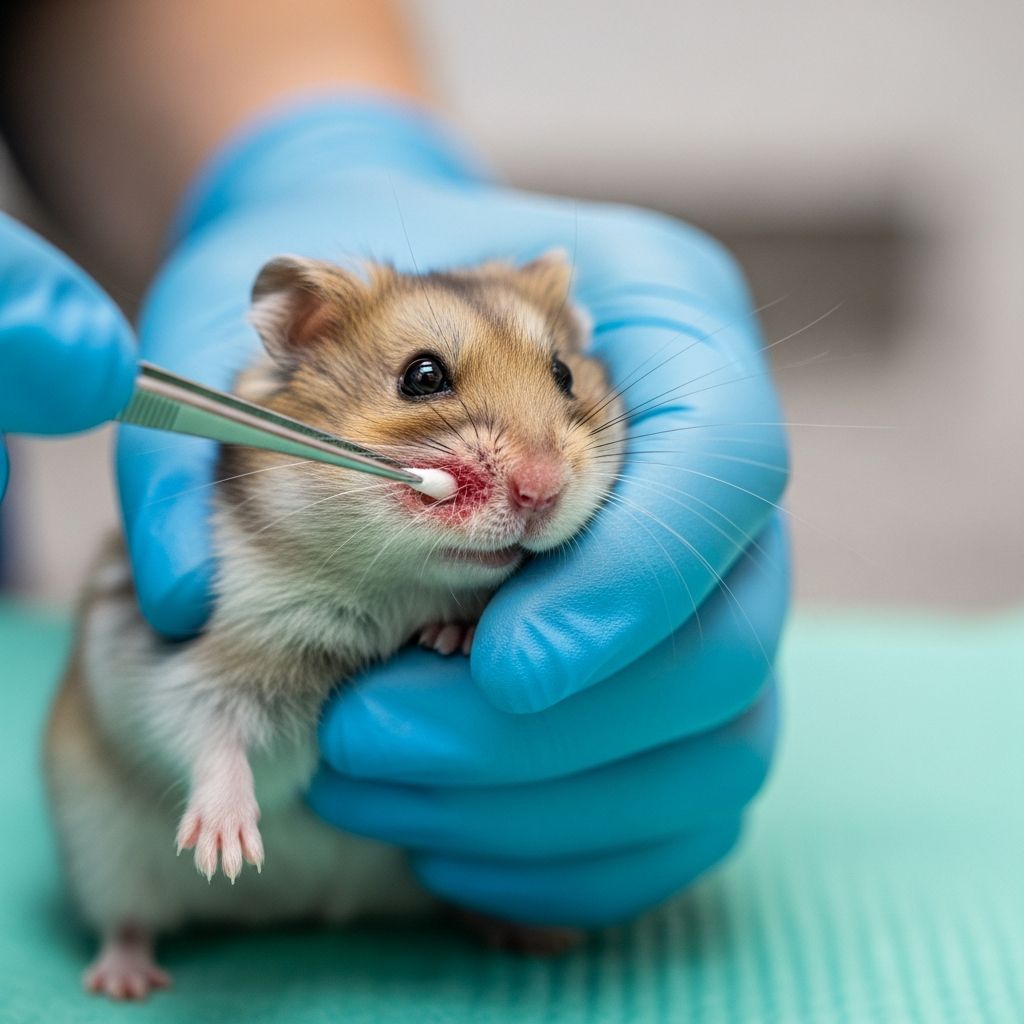
Hamster Abscess Care Guide
Abscesses represent a frequent health challenge for hamster owners, manifesting as painful, pus-filled swellings that demand prompt attention. These infections arise from bacterial invasions through skin breaks, potentially escalating to severe complications if ignored. This guide equips you with knowledge on recognition, professional interventions, supportive care, and proactive measures to safeguard your hamster’s well-being.
Understanding Abscess Formation in Hamsters
Hamsters, with their exploratory habits and social dynamics, face heightened risks for skin trauma leading to abscesses. These localized infections develop when pathogens colonize minor injuries, creating encapsulated pus pockets beneath the skin. Common sites include the head, neck, flanks, and limbs, where grooming or territorial disputes often inflict damage.
Bacterial culprits typically stem from the hamster’s environment or cage mates. Unlike superficial wounds, abscesses encapsulate the infection, shielding bacteria from the immune system and necessitating targeted drainage for resolution. Early intervention prevents systemic spread, which could overwhelm a hamster’s small body.
Recognizing the Signs of Trouble
Observant owners can detect abscesses through visible and behavioral cues. Key indicators include:
- Firm, raised lumps: Often pea-sized or larger, palpable under fur, especially on the head or cheeks.
- Redness and heat: Surrounding skin appears inflamed and warm to the touch.
- Sensitivity: Hamster flinches or vocalizes when the area is approached.
- Pus discharge: If ruptured, thick, foul-smelling material mats the fur.
- Associated swelling: Cheek pouches or neck lymph nodes may enlarge in advanced cases.
Behavioral shifts like reduced appetite, lethargy, or excessive grooming signal pain. Differentiate from cysts (fluctuant, non-painful) or hematomas (blood-filled post-trauma) via gentle palpation—abscesses often ‘pit’ under pressure.
Common Triggers Behind Hamster Abscesses
Several factors predispose hamsters to these infections:
| Cause | Description | Risk Factors |
|---|---|---|
| Fighting Injuries | Bites from cage mates introduce oral bacteria. | Multi-hamster housing, especially same-sex pairs. |
| Environmental Hazards | Sharp bedding, wires, or toys puncture skin. | Poor cage maintenance, dusty substrates. |
| Dental Problems | Overgrown teeth or fractures lead to jaw abscesses. | Inadequate chew toys, nutritional deficiencies. |
| Weakened Immunity | Stress, age, or illness impairs defenses. | Recent relocation, poor diet. |
Male hamsters’ flank glands, sebaceous structures near hips, are prone to secondary infections from over-grooming or blockage.
Why Professional Veterinary Care is Essential
Home remedies risk exacerbating infections by dispersing bacteria. Vets employ precise diagnostics: physical exams, fine-needle aspiration for cytology, and cultures to identify pathogens like Staphylococcus or Pasteurella. Imaging may rule out deeper involvement, such as dental roots.
Treatment protocols prioritize complete pus evacuation. Options include:
- Lancing and flushing: Incision under sedation, irrigation with antiseptics, followed by antibiotics.
- Surgical excision: Preferred for encapsulated or recurrent cases; removes entire capsule to curb regrowth.
- Antibiotics: Systemic like enrofloxacin (10 mg/kg BID) or doxycycline (5-10 mg/kg BID) for 5-7 days, guided by sensitivity testing.
- Topicals: Antibiotic-steroid ointments for superficial or gland issues.
For periapical (tooth-related) abscesses, akin to rodent protocols, full capsule excision prevents recurrence. Post-op, e-collars or bandages deter self-trauma.
Supporting Your Hamster During Recovery
Post-treatment, create an optimal healing environment:
- Clean gently with warm saline-dampened cloths; avoid soaps.
- Administer meds exactly as prescribed; monitor for side effects like diarrhea.
- Offer soft, nutritious foods: mashed veggies, soaked pellets to ease chewing.
- Maintain warmth (72-80°F) and quiet to minimize stress.
Daily checks track progress—shrinking swellings and renewed activity indicate success. Persistent fever, anorexia, or expansion warrants re-evaluation.
Proactive Strategies to Prevent Abscesses
Prevention hinges on habitat and husbandry excellence:
- Solitary housing: House hamsters individually post-weaning to eliminate fights.
- Cage safety: Use dust-free, soft bedding like paper-based products; inspect for burrs weekly.
- Enrichment balance: Provide safe chews, tunnels sans sharp edges.
- Health vigilance: Trim nails if overgrown; schedule bi-annual vet checks.
- Diet optimization: High-fiber pellets, fresh produce to support immunity.
Quarantine new hamsters for 2-4 weeks to screen for subclinical issues.
Special Considerations for Recurrent Cases
Persistent abscesses signal underlying problems: allergies, demodicosis, or neoplasia. Vets may pursue biopsies or allergy testing. Flank gland abscesses in males benefit from periodic cleaning and topical therapies. Dental exams under anesthesia address root causes in jaw swellings.
Frequently Asked Questions
Can hamster abscesses resolve without a vet?
Rarely; small ones might, but most require drainage to avoid sepsis. Consult promptly.
Is it safe to squeeze an abscess myself?
No— this spreads infection. Vets use sterile techniques.
How long does recovery take?
7-14 days with treatment; monitor closely.
Are certain breeds more prone?
All hamsters risk equally, but Syrian males with active glands face higher odds.
What if it bursts spontaneously?
Clean gently, isolate, and seek vet care immediately for antibiotics.
Long-Term Wellness for Your Hamster
Beyond abscess management, holistic care sustains vitality. Rotate toys for mental stimulation, ensure 12-14 hour light cycles mimicking wild rhythms, and track weight monthly. Bonding through hand-feeding fosters trust, aiding early symptom detection.
By integrating these practices, owners minimize health crises, extending lifespan to 2-3 years for Syrians or 1.5-2 for dwarfs. Vigilance transforms potential emergencies into manageable events.
References
- Skin Abscesses in Hamsters — PetMD. Accessed 2026. https://www.petmd.com/exotic/conditions/skin/c_ex_hm_skin_abscesses
- Abscesses in Hamsters — Dial A Vet. Accessed 2026. https://www.dialavet.com/blog/abscesses-in-hamsters
- Hamster Skin Sores and Abscesses — Small Pet Select. Accessed 2026. https://smallpetselect.com/hamster-skin-sores-and-abscesses/
- Hamsters – Exotic and Laboratory Animals — Merck Veterinary Manual. Accessed 2026. https://www.merckvetmanual.com/exotic-and-laboratory-animals/rodents/hamsters
- Clinical Technique – Treatment of Periapical Infections in Pet Rabbits and Rodents — Capello V. 2008. https://www.capello.vet/assets/clinical-technique—treatment-of-periapical-infections-in-pet-rabbits-and-rodents.pdf
Similar Articles








Read full bio of Sneha Tete