

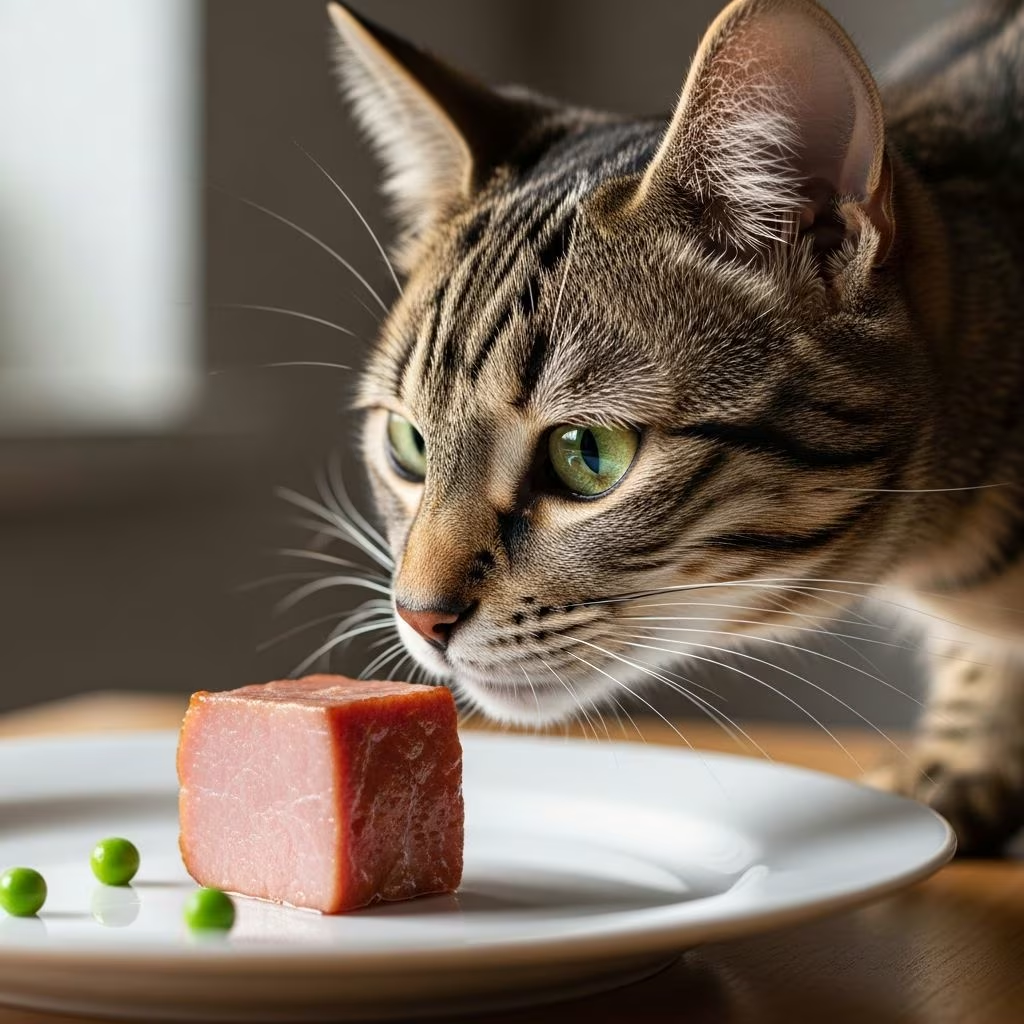
Many cat owners wonder whether they can share their meals with their feline companions, and ham often comes to mind as a seemingly harmless protein-rich option. However, the reality of feline nutrition is more complex than it might appear. While cats are obligate carnivores that require meat in their diets, not all meat products are appropriate for them. Understanding the nutritional profile of ham and how it affects feline health is essential for responsible pet ownership.
Understanding Your Cat’s Dietary Requirements
Cats have evolved as strict carnivores with specialized dietary needs that differ significantly from humans and even from dogs. Their digestive systems are specifically adapted to process whole prey and high-quality protein sources. Commercial cat food formulations are designed to meet all of a cat’s nutritional requirements, providing the precise balance of amino acids, vitamins, minerals, and other essential nutrients that felines need to thrive.
The domesticated cat depends on certain amino acids that must come from their food, and their metabolism processes these nutrients differently than other animals. This is why feeding cats food intended for human consumption requires careful consideration and veterinary guidance.
The Nutritional Profile of Ham: Benefits and Drawbacks
Ham does offer certain nutritional advantages that might make it seem like a suitable food choice. It contains protein and essential amino acids that support muscle development and maintenance. However, these benefits are overshadowed by the significant drawbacks that make ham problematic for feline consumption.
The typical ham found in most households has undergone extensive processing. Cured ham products contain high levels of sodium, added sugars, and various preservatives and seasonings. When examining ham as a potential cat food, it’s crucial to recognize that these additives are present for human palatability and food preservation purposes, not for feline health optimization. The sodium content alone presents substantial concerns for cats, whose kidneys are more sensitive to salt intake than human kidneys.
Primary Health Concerns Associated with Ham Consumption
Excessive Sodium and Hypertension Risk
One of the most significant dangers of feeding ham to cats involves its salt content. Ham is typically cured with salt and can contain excessively high sodium levels that strain a cat’s kidneys and potentially lead to hypertension. Unlike humans who have adapted to varying salt intake levels, cats have minimal sodium requirements and their bodies are not equipped to handle the quantities present in processed meats.
High sodium consumption in cats can lead to:
- Elevated blood pressure (hypertension)
- Increased thirst and urination
- Dehydration
- Kidney strain and potential long-term damage
- Sodium ion poisoning in severe cases
Fat Content and Digestive Issues
Ham is high in fat content, which can contribute to weight gain, pancreatitis, and digestive problems in cats. Pancreatitis, an inflammation of the pancreas, is a serious condition that can be triggered or exacerbated by consuming fatty foods. Once a cat develops pancreatitis, they may experience chronic digestive issues that affect their quality of life.
The combination of high fat and high sodium is particularly problematic, as it compounds the stress on a cat’s digestive and cardiovascular systems. Cats eating excessive ham may experience vomiting, diarrhea, and general gastrointestinal upset.
Dangerous Seasonings and Additives
Many ham products contain seasonings that are toxic to cats. Ingredients such as garlic, onions, and chives are particularly dangerous as they can cause red blood cell damage and lead to hemolytic anemia. Cats lack certain enzymes in their digestive systems that help break down these substances, making them more susceptible to their harmful effects.
Additionally, some ham preparations include preservatives and other additives designed for human consumption. These chemicals may cause allergic reactions in sensitive cats, ranging from mild gastrointestinal upset to more severe responses including skin rashes or difficulty breathing.
Different Types of Ham: Comparative Safety Assessment
| Ham Type | Safety for Cats | Rationale and Considerations |
|---|---|---|
| Plain Cooked Ham (homemade) | Minimal amounts only | Without seasonings or heavy salt, this is the safest option, though still not recommended regularly |
| Deli Ham | Minimal amounts only | High in sodium and additives; occasional small bites may be tolerated but not ideal |
| Smoked Ham | Not recommended | Additional seasonings and smoke flavoring increase toxicity risks |
| Honey Ham | Not recommended | Added sugars and seasonings make this option particularly unsuitable |
| Raw Ham | Dangerous – Avoid | Raw meats pose bacterial contamination risks and are unsafe for cats |
| Ham Bones | Dangerous – Avoid | Bones can cause intestinal obstruction, puncture organs, or break teeth |
Special Considerations for Kittens and Senior Cats
Younger cats require additional protection from inappropriate foods. Kittens have developing digestive systems that are more sensitive than those of adult cats, making them more prone to vomiting and diarrhea when exposed to unsuitable foods. The risks that might cause mild upset in an adult cat could be more severe in a kitten.
Senior cats often have existing health conditions such as kidney disease, hypertension, or diabetes. For these cats, the sodium and fat content in ham represents an even greater threat to their wellbeing. Cats with preexisting digestive issues should absolutely avoid ham, as it is likely to exacerbate their conditions.
Portion Guidelines if You Choose to Offer Ham
Despite the concerns outlined above, some veterinarians acknowledge that occasional, minimal exposure to plain cooked ham may not cause immediate harm in otherwise healthy adult cats. If you decide to offer ham, the maximum serving size should be a 1-inch cube no more than two or three times per week.
Important guidelines to follow:
- Only offer plain, home-cooked ham without seasonings or added salt
- Ensure the ham is thoroughly cooked
- Provide no more than a tiny portion relative to the cat’s regular commercial food intake
- Never give ham as a regular meal component
- Avoid offering ham to cats with known health conditions
- Monitor your cat for any signs of digestive upset or allergic reaction
What to Do If Your Cat Accidentally Eats Ham
If your cat has consumed a small amount of ham, it will likely not cause serious harm. Most cats can tolerate a tiny bite without experiencing significant illness. However, if your cat has eaten a whole piece or large amount of ham, you should watch carefully for signs of problems including vomiting, diarrhea, lethargy, loss of appetite, or difficulty breathing. Contact your veterinarian immediately if your cat exhibits any concerning symptoms.
Healthier Protein Alternatives for Your Feline
Rather than offering ham, consider these safer protein options that can serve as occasional treats:
- Plain, cooked chicken breast (unseasoned and boneless)
- Cooked turkey (without skin or seasonings)
- Cooked salmon or tuna in water (in small amounts)
- Specialized commercial cat treats formulated for feline nutrition
- Freeze-dried meat products designed specifically for cats
These alternatives provide protein and satisfy your cat’s natural hunting instincts without the health risks associated with processed meats.
Frequently Asked Questions About Ham and Cats
Can kittens eat ham?
No, kittens should not eat ham. Their developing digestive systems are more vulnerable to the negative effects of high sodium and fat content. Stick to kitten-formulated food designed to support their growth and development.
Is bacon safer than ham for cats?
No, bacon is actually more problematic than ham. Bacon contains even higher levels of fat, salt, and nitrates compared to most ham products, making it a definite no-go for feline consumption. The risks of pancreatitis and sodium ion poisoning are amplified with bacon.
What if my cat has already eaten ham regularly?
If your cat has been consuming ham regularly, schedule a veterinary checkup to assess any potential damage. Your vet can test kidney function, blood pressure, and overall health status. Then transition your cat to a proper feline diet with appropriate treats.
Can I give my cat low-sodium ham?
Even low-sodium ham products still contain salt levels that are excessive for cats. Additionally, most ham products contain seasonings and preservatives regardless of sodium labeling. It’s best to avoid ham entirely rather than search for a “safer” version.
Should I consult my vet before offering ham?
Yes, absolutely. It’s always a good idea to check with your veterinarian about feeding your cat any human foods. Your vet knows your cat’s individual health status and can provide personalized recommendations.
The Bottom Line on Ham for Feline Diets
While ham may seem like an innocent treat to share with your feline friend, the risks significantly outweigh any potential benefits. The high sodium content, excessive fat, problematic seasonings, and potential preservatives make ham an unsuitable food choice for cats. Your cat’s health is best served by maintaining a balanced diet of quality commercial cat food formulated to meet all their nutritional needs.
If you want to show your cat affection through food, numerous safer alternatives exist that will satisfy their carnivorous instincts without compromising their health. By understanding the relationship between nutrition and feline wellbeing, you can make informed decisions that keep your cat healthy and thriving for years to come.
References
- Can Cats Eat Ham? A Guide to Safety — Purina US. 2025-07-28. https://www.purina.com/articles/cat/feeding/can-cats-eat/ham
- Ham for Cats: Safe or Risky? Nutrition Guide — Bailey’s CBD. https://baileyscbd.com/blogs/cat-nutrition/ham-and-cats-dietary-considerations
- Can Cats Eat Ham? Types, Risks & More — Rover.com. https://www.rover.com/blog/can-cats-eat-ham/
- Can Cats Eat Ham? — PetMD. https://www.petmd.com/cat/nutrition/can-cats-eat-ham
- Can Dogs & Cats Eat Ham? (& Other Pork Products) — Hill’s Pet. https://www.hillspet.com/pet-care/nutrition-feeding/can-dogs-and-cats-eat-ham



