Halogenated Aromatics: Pet Toxicity Risks
Discover the hidden dangers of persistent halogenated pollutants in pets, from absorption to long-term health impacts and vital prevention strategies.
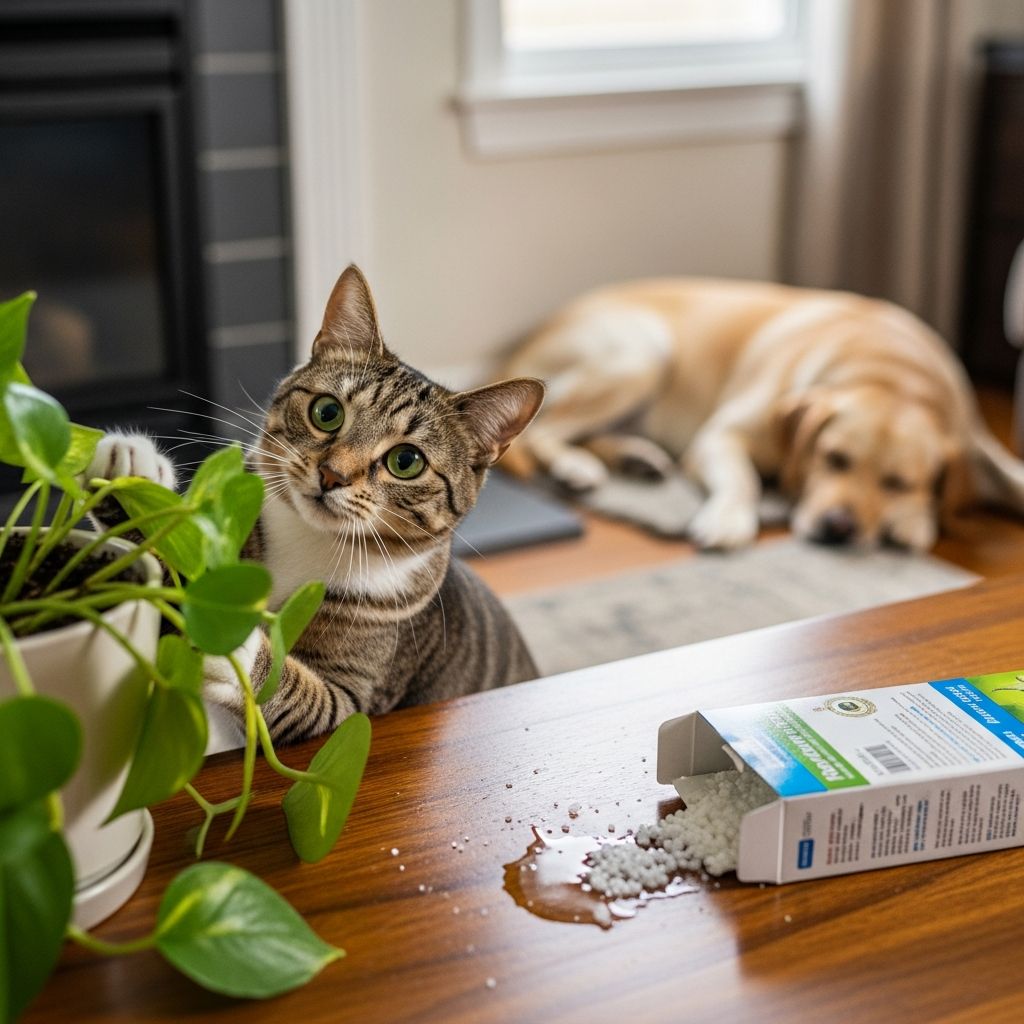
Halogenated aromatic compounds, including polychlorinated biphenyls (PCBs), polybrominated biphenyls (PBBs), and dioxins like 2,3,7,8-tetrachlorodibenzo-p-dioxin (TCDD), represent a serious threat to pet health due to their persistence in the environment and bioaccumulation in animal tissues. These chemicals, once widely used in industrial applications, continue to contaminate food chains and pose risks through indirect exposure.
Understanding Persistent Halogenated Pollutants
These toxins are characterized by their stability, resisting natural breakdown processes, which allows them to accumulate in fatty tissues over time. In veterinary contexts, pets such as cats, dogs, and birds are particularly vulnerable because they often consume contaminated feeds or scavenge in polluted areas. Historical incidents, like PBB contamination in U.S. dairy feeds and PCB incidents in European animal fats, highlight how these pollutants enter pet food supplies, leading to widespread exposure.
Their chemical structure—aromatic rings bound with halogens like chlorine or bromine—makes them lipophilic, meaning they dissolve in fats rather than water. This property drives their movement up the food chain, a process known as biomagnification, where concentrations increase in predators like household pets.
Routes of Exposure for Companion Animals
Pets encounter these compounds primarily through ingestion of tainted food or water, inhalation of dust-bound particles, and minor skin contact. Gastrointestinal absorption is highly efficient, with rapid uptake into the bloodstream and storage in adipose tissues. From there, they can cross into milk, eggs, and fetal tissues in pregnant animals.
- Ingestion: Most common via commercial pet foods accidentally contaminated during manufacturing or recycling processes.
- Inhalation: Airborne particles from industrial sites or household dust settle on fur and are groomed off.
- Dermal: Less significant but possible with direct contact to oily residues.
Lactating females mobilize these fat-soluble toxins during energy deficits, excreting higher levels into milk—carry-over rates (COR) can reach 73% for dioxin-like PCBs in goats, dropping over time post-exposure.
Mechanisms of Toxicity in Pets
These pollutants act similarly to steroid hormones, binding to the aryl hydrocarbon receptor (AhR) to alter gene expression. This disrupts enzyme systems like cytochrome P450 (CYP), leading to metabolic chaos. Chronic low-dose exposure exacerbates endocrine issues, targeting thyroid, reproductive, and adrenal functions.
In pets, this manifests as altered hormone levels; for instance, PCBs elevate brain deiodinases in utero, compensating for thyroid disruptions. Emerging data links serum PHP levels to feline acromegaly and obesity, especially in indoor cats exposed to per- and polyfluoroalkyl substances (PFAS).
| Compound Group | Primary Target | Pet Impact Example |
|---|---|---|
| PCBs/PCDDs | Thyroid & Reproduction | Delayed parturition in exposed cattle |
| PBBs | Endocrine & Metabolism | Obesity in offspring |
| OPFRs | Prolactin Secretion | Foam ingestion seizures in dogs |
Negative energy balance, common in dieting pets, releases stored toxins, spiking blood levels and intensifying effects.
Short-Term Health Effects
Acute poisoning triggers rapid declines: chickens show egg production drops, ascites, edema, and ataxia after PCDD exposure, with muscle degeneration in heart and skeleton. Dogs chewing organophosphate flame retardants (OPFRs) in foam suffer fatal seizures, with toxin fragments in their GI tracts.
Irritation affects eyes, mucous membranes, and lungs, akin to halogenated hydrocarbon effects noted in broader toxicology. Wasting syndrome, thymus atrophy, and immunosuppression precede lethality in sensitive species.
Long-Term Consequences for Pets
Chronic accumulation leads to reproductive failures, neurotoxicity, and cancer risks. In utero exposure alters mammary development, heightening disease susceptibility. Birds and mammals exhibit thyroid anomalies from dietary PHPs, stunting growth.
Feline studies correlate PHPs with acromegaly; obesity links to PFAS. Epigenetic changes and enzyme dysregulation persist, unpredictably altering drug responses via CYP induction.
Recognizing Symptoms in Pets
Owners should watch for subtle signs: weight loss despite appetite, lethargy, skin changes like chloracne-like lesions, reproductive issues (e.g., irregular heats), and neurological tremors. In birds, reduced hatchability signals trouble. Advanced cases show liver enzyme spikes, immune suppression, and joint pains.
- Unexplained fatigue or nervousness
- Skin darkening or acneiform eruptions
- Altered egg production or fertility
- Seizures from foam-related exposures
- Obesity or acromegaly in cats
Veterinary Diagnosis Approaches
Diagnosis relies on history of exposure, clinical signs, and lab confirmation. Analyze serum lipids, adipose tissue, or milk for PHP concentrations. Measure carry-over ratios in producers. Thyroid panels and CYP activity assays aid. Differentiate from other toxicoses via mass spectrometry for specific congeners.
Histopathology reveals muscle degeneration, thymic atrophy. Report suspected cases for one-health surveillance, as pet poisonings flag feed contamination.
Treatment and Management Strategies
No antidote exists; focus on supportive care: decontamination if recent, lipid-binding agents, fluid therapy, and nutritional support to avoid fat mobilization. Monitor for secondary infections due to immunosuppression. In chronic cases, reduce exposure and manage symptoms like endocrine imbalances.
For producers, remove contaminated feed promptly; milk withdrawal based on COR data. Veterinary oversight prevents human food chain risks.
Prevention Tactics for Pet Owners
Choose reputable pet food brands with rigorous testing. Avoid scavenging in industrial areas. Indoor cats face dust risks—regular cleaning helps. Support regulations banning PHPs and advocate feed vigilance. Early vet consults on symptoms save lives.
Broader Implications: One Health Perspective
Pet exposures mirror wildlife and human risks, emphasizing interconnected health. Historical feed scandals caused human illnesses via animal products, underscoring vigilance. Regulate PHPs as reportable, integrating vet, public health efforts.
Frequently Asked Questions (FAQs)
What are the most common sources of halogenated aromatics for pets?
Contaminated pet foods from recycled fats, household dust, or scavenged waste.
Can these toxins affect my indoor cat?
Yes, via dust and PFAS in products; obesity links noted.
Is there a test for exposure in my dog?
Serum lipid analysis detects levels; consult a toxicologist.
How long do these chemicals stay in a pet’s body?
Years, due to slow metabolism and fat storage; half-life ~31 days in some rodents.
What should I do if I suspect poisoning?
Seek immediate vet care; provide exposure history for supportive treatment.
References
- Poisoning of Animals by Persistent Halogenated Pollutants (PHPs) — MSD Veterinary Manual. 2023. https://www.msdvetmanual.com/toxicology/persistent-halogenated-aromatic-poisoning/poisoning-of-animals-by-persistent-halogenated-pollutants-phps
- Hydrocarbons, Halogenated Aromatic — ILO Encyclopaedia of Occupational Health and Safety. 2023. https://iloencyclopaedia.org/part-xviii-10978/guide-to-chemicals/item/1053-hydrocarbons-halogenated-aromatic
- Mechanism of action of toxic halogenated aromatics — PMC (PubMed Central). 1987-06-01. https://pmc.ncbi.nlm.nih.gov/articles/PMC1568090/
- Mechanism of action of toxic halogenated aromatics — PubMed. 1987-06-01. https://pubmed.ncbi.nlm.nih.gov/2985378/
- Gossypol Poisoning — MSD Veterinary Manual. 2023. https://www.msdvetmanual.com/special-pet-topics/poisoning/gossypol-poisoning
Similar Articles






Read full bio of Sneha Tete