

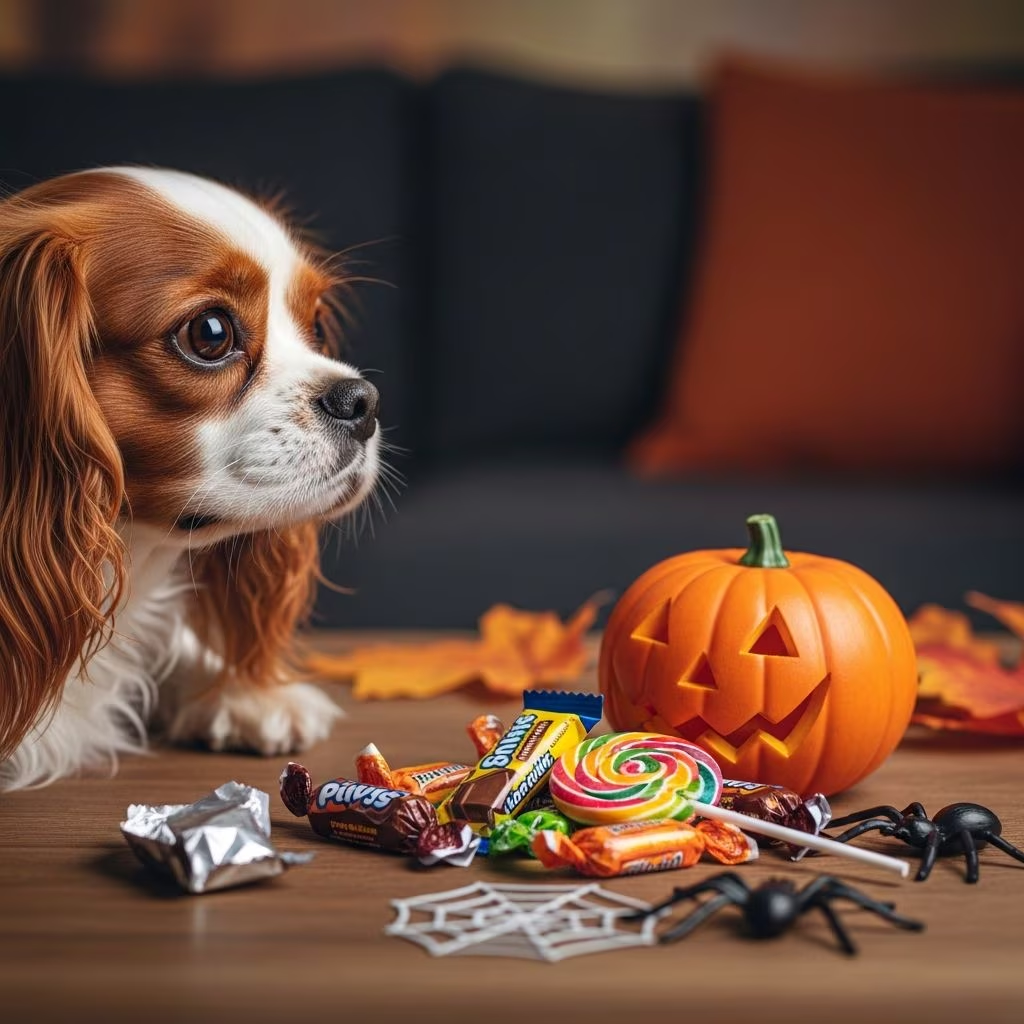
Halloween Safety Tips for Pets: What Not to Feed Dogs
Halloween is an exciting time filled with costumes, decorations, and treats, but the holiday can present serious dangers for your beloved canine companions. From toxic candies to overwhelming crowds and hazardous decorations, Halloween poses multiple risks that pet owners need to understand and prepare for. By following comprehensive safety guidelines, you can ensure your dog enjoys a safe and happy Halloween celebration while you focus on the fun festivities.
Understanding Halloween Risks for Dogs
The combination of unusual sights, sounds, and smells during Halloween can create significant stress for dogs. Additionally, the increased activity around your home, open doors from trick-or-treaters, and access to Halloween candy create an environment where accidents and health emergencies can easily occur. Pet owners must recognize these risks and take proactive steps to mitigate them. Understanding what makes Halloween particularly dangerous for dogs is the first step in creating a safe celebration for your furry family members.
Toxic Halloween Foods: What Not to Feed Your Dog
The most critical Halloween safety concern involves keeping all candy and treats away from your dog. Halloween candy poses some of the most serious threats to canine health, with certain ingredients being potentially lethal. Being aware of which foods are dangerous is essential for every dog owner during this season.
Chocolate and Cocoa Products
Chocolate is one of the most well-known toxic substances for dogs. Chocolate contains theobromine, a compound similar to caffeine that dogs cannot metabolize efficiently. The toxicity depends on the type of chocolate and the amount consumed. Dark chocolate and baking chocolate are particularly dangerous because they contain higher concentrations of theobromine than milk chocolate. Even small amounts of dark chocolate can cause serious health problems including vomiting, diarrhea, rapid heart rate, tremors, and in severe cases, seizures or cardiac failure. If your dog accidentally consumes chocolate, immediate veterinary attention may be necessary.
Sugar-Free Candies and Xylitol
Sugar-free candies, gum, and other products sweetened with xylitol present an extreme danger to dogs. Xylitol is an artificial sweetener that causes a rapid release of insulin in dogs, leading to severe hypoglycemia (dangerously low blood sugar). This can occur within 10-30 minutes of ingestion and can be life-threatening. Symptoms of xylitol toxicity include loss of coordination, seizures, liver failure, and collapse. Even a small amount of xylitol-containing product can be fatal, making it one of the most dangerous Halloween substances for dogs. Always check candy labels for xylitol before bringing them into your home.
Raisins and Grapes
While raisins are not technically a typical Halloween candy, they sometimes appear in certain Halloween treats and snack mixes. Raisins and grapes are toxic to dogs and can cause acute kidney failure. The exact mechanism of toxicity is not completely understood, but even small quantities can be dangerous. Symptoms of raisin or grape toxicity include vomiting, diarrhea, lethargy, and decreased appetite, followed by potential kidney failure.
Macadamia Nuts
Macadamia nuts are toxic to dogs and can cause weakness, vomiting, tremors, and hyperthermia. While less common in traditional Halloween candy, they may appear in certain treats or chocolate confections. If your dog consumes macadamia nuts, veterinary care should be sought immediately.
Candy Wrappers and Packaging
Beyond the candy contents themselves, wrappers and packaging pose serious physical dangers. Dogs may consume wrappers along with the candy, and these wrappers can cause intestinal blockages that may require surgery. Discarded candy wrappers in yards or around the neighborhood also present risks during Halloween night activities. Always ensure candy is stored securely and disposed of carefully, and supervise your dog closely when outdoors to prevent wrapper ingestion.
Selecting Safe Costumes for Your Dog
While dressing up your dog in a cute costume might be tempting, not all dogs enjoy wearing clothing, and many costumes present safety hazards. Understanding costume safety requirements is crucial before dressing up your pet.
Prioritizing Comfort and Movement
Any costume your dog wears must allow for unrestricted movement. Check that your dog can walk, sit, and breathe easily in their costume. The outfit should not bind your dog’s legs, neck, or chest. A costume that restricts movement can cause stress, anxiety, and physical discomfort. Take time to ensure all closures are secure but not tight, and that seams won’t rub against your dog’s skin causing irritation during extended wear.
Vision and Hearing Considerations
Avoid masks or headpieces that limit your dog’s vision or hearing. Dogs heavily rely on their senses to feel secure and navigate their environment. Masks that cover their eyes prevent them from seeing potential dangers or familiar people, which can cause significant anxiety. Similarly, covering their ears impairs their ability to hear approaching sounds, which can startle them or prevent them from hearing your commands. A stressed dog in a limiting costume is more likely to try to escape or become aggressive.
Checking for Hazards
Inspect costumes for loose buttons, strings, or small decorative elements that could pose choking risks if your dog chews on them or accidentally swallows them. Remove any small attachments that could detach easily. Choose costumes with minimal decorative elements or secure them firmly so they cannot be removed by a curious dog. Test the costume on your dog for several short periods before Halloween to ensure they remain comfortable and secure.
Recognizing When to Skip the Costume
If your dog is on the shy side, easily spooked, or shows signs of stress in the costume, skip the costume entirely. Some dogs are simply not suited for wearing clothing, and forcing them to do so can create negative associations and anxiety. Instead, consider celebrating your dog’s Halloween at home with special dog-friendly treats or activities that won’t cause stress.
Halloween Decorations and Environmental Hazards
Halloween decorations create a festive atmosphere but can present multiple dangers to curious dogs. Understanding which decorations pose risks allows you to decorate safely or avoid dangerous items altogether.
Open Flames and Candles
Real candles, including those in jack-o’-lanterns, present significant fire and burn hazards. Dogs can easily knock over candles with their tails or bodies, causing burns to themselves or starting a fire. Curious dogs might brush against flames and ignite their fur or suffer burns. Instead of real flames, opt for battery-operated flameless candles or LED lights that provide the festive atmosphere without the danger. If you must use real candles, keep them in areas completely out of your dog’s reach, preferably in rooms where your dog doesn’t have access.
Electrical Cords and Decorations
Many Halloween decorations require electrical cords that pets can chew on, creating risk of electric shock, electrocution, or entanglement. Choose battery-operated decorations whenever possible. If electrical cords are necessary, use safety protectors or cord covers to prevent chewing. Secure cords so they cannot be reached or tripped over by your dog.
Small Decorations and Choking Hazards
Small Halloween decorations like plastic spiders, fake cobwebs, or decorative baubles can pose serious choking and intestinal blockage risks. These items look like toys to curious dogs and can be easily swallowed. Decorations can cause severe intestinal blockages requiring emergency surgery if ingested. Keep small decorations out of reach or avoid using them altogether if you have a dog prone to eating objects. Regularly inspect your yard for loose decorations that may have fallen or been disturbed.
Decorative Plants
Some Halloween decorations include plants that are toxic to dogs. Black cats, while not plants, are sometimes associated with harmful pranks. Keep any plant decorations out of reach and research whether specific Halloween plants are safe for dogs before bringing them into your home.
Creating a Safe Space for Your Dog on Halloween Night
With increased activity, door openings, and strangers in costumes, Halloween night requires special preparation to keep your dog safe and secure.
Establishing a Secure, Quiet Room
During trick-or-treating hours or when hosting guests, the best approach is to keep your dog in a secure, quiet room away from the front door and the chaos of Halloween festivities. This room should include comfortable items such as their bed, water bowl, food, and favorite toys. Consider adding a calming pheromone diffuser, which releases special pheromones that help calm anxious dogs. Playing calming music or a pet-specific calming playlist can mask the sounds of visitors and trick-or-treaters outside, reducing stress and anxiety.
Using Crates and Gates
Safely crating your dog or using dog gates to create a designated area keeps them contained and prevents escape if doors open during trick-or-treating. A properly sized crate becomes a safe den where your dog can retreat and feel secure. Ensure the crate contains comfortable bedding and is never used as punishment, so your dog views it as a positive space.
Keeping Pets Away from Doors
The constant opening and closing of doors during trick-or-treating creates opportunities for scared or curious dogs to escape into the dark night. This is particularly concerning as black cats and dogs may face increased risks of abuse or accidents. Ask guests to be mindful about keeping doors closed quickly. Consider placing a sign on the door reminding visitors to be cautious when opening it, and supervise the door area closely.
Using Distraction Toys
Treat-dispensing toys and food puzzles provide excellent distraction for dogs in their safe space. These toys keep dogs mentally engaged and busy with a rewarding activity that diverts their attention from visitors, unusual sounds, and people in costumes. A puzzle toy can occupy your dog for extended periods, making their isolated space feel more like play than confinement.
Safety Tips for Trick-or-Treating With Your Dog
If you choose to take your dog trick-or-treating, follow specific guidelines to ensure their safety throughout the outing.
Assessing Your Dog’s Temperament
Not all dogs are suited for trick-or-treating adventures. Before deciding to take your dog out, consider their personality and comfort level in crowds and with strangers. Dogs that are on the shy side or easily spooked may become extremely stressed by the Halloween environment. It’s perfectly acceptable—and often better—to celebrate Halloween with your dog at home through dog-friendly activities instead of exposing them to potential trauma.
Using Reflective Gear and Leashes
If you do go trick-or-treating, Halloween is one of the most dangerous nights for pedestrians and pets. Ensure your dog wears reflective gear including collars, vests, and leashes to maximize visibility in the dark. Use a secure, non-retractable leash and keep your dog close to you at all times. Data from the National Highway Traffic Safety Administration emphasizes the importance of visibility during Halloween night. Even well-trained dogs should remain on leash throughout the outing due to unpredictable environments and potential escape triggers.
Avoiding Crowds and Heavy Traffic
Large crowds of rowdy trick-or-treaters, heavy traffic, and scary sights and sounds can overwhelm even social dogs. If your dog becomes uncomfortable in a crowd, move them away from the commotion while giving them grounding cues like “heel” and “watch me.” Reward them with treats and praise for following instructions. This helps reinforce calm behavior and provides positive association with potentially stressful situations.
Preparation for Loud Noises
Firecrackers, music, sound effects, and other loud Halloween noises can be frightening for dogs. Always keep your dog on a leash and be prepared for unexpected loud sounds. Watch for signs of stress such as pulling, trembling, or attempting to flee. If your dog shows significant distress, it’s best to cut the outing short and return home to their safe space.
Recognizing Signs of Stress in Your Dog
Understanding stress signals helps you intervene early and prevent escalation of anxiety or dangerous behaviors.
Common signs of Halloween-related stress in dogs include:
- Excessive panting or rapid breathing
- Hiding in closets or under furniture
- Excessive vocalization including barking or whining
- Pacing or restlessness
- Inappropriate elimination (urinating or defecating inside the house)
- Loss of appetite
- Excessive drooling
- Attempts to escape or run away
If you notice these signs, create an even safer, quieter space for your dog. Contact your veterinarian to rule out medical problems. Consider calming supplements, anxiety wraps, or consulting with a veterinary behaviorist if stress is severe.
Post-Halloween Candy Storage and Disposal
Once you arrive home from trick-or-treating or Halloween festivities, proper storage and disposal of candy is essential.
All Halloween candy should be kept completely out of your dog’s reach. Store candy in locked or high cabinets that even athletic dogs cannot access. Keep candy wrappers secured in sealed containers or take out trash immediately to prevent dogs from scavenging. For households with persistent counter-surfers, use dog crates or gates to separate your dog from areas containing candy during unsupervised times.
Dispose of candy carefully and completely. Broken or unwanted candy should go directly into a sealed trash can outside, not in indoor waste baskets where curious dogs might investigate. Be aware of discarded wrappers in your yard and neighborhood that your dog might encounter during outdoor bathroom breaks or play sessions.
Alternative Halloween Celebrations for Your Dog
If traditional Halloween activities seem too risky or stressful for your dog, numerous alternatives allow you to celebrate while keeping your pet safe and happy:
- Host a dog-friendly Halloween party with other calm dogs and dog-owning friends
- Prepare special dog-friendly Halloween treats using pumpkin, apples, or commercial dog treats
- Watch Halloween movies featuring dogs in your dog’s safe space
- Create a fun indoor scavenger hunt using dog toys and treats
- Play dress-up games with your dog using comfortable, safe props
Frequently Asked Questions
Q: What should I do if my dog eats chocolate on Halloween?
A: Contact your veterinarian or animal poison control immediately. Do not wait for symptoms to appear. Provide information about the type of chocolate and amount consumed. Treatment depends on toxicity level and may include induced vomiting or activated charcoal administration.
Q: Can I give my dog sugar-free candy?
A: No. Always check labels, as sugar-free candies often contain xylitol, which is extremely toxic to dogs. Even a small amount can be life-threatening. It’s safest to avoid all Halloween candy and stick to dog-specific treats.
Q: How can I tell if my dog is stressed by Halloween decorations?
A: Watch for signs like panting, hiding, excessive vocalization, pacing, or indoor accidents. If your dog shows stress, remove them from the area and create a safe, quiet space away from decorations and activity.
Q: Is it safe to take my dog trick-or-treating?
A: Only if your dog is well-socialized, comfortable with strangers in costumes, and comfortable on leash. Consider your dog’s individual temperament, and if uncertain, celebrate at home instead. Always use reflective gear and keep your dog on leash.
Q: What should I include in my dog’s safe Halloween room?
A: Include a comfortable bed, fresh water, food, favorite toys, a treat-dispensing puzzle toy, a calming pheromone diffuser, and play calming music. Ensure the space is secure, quiet, and away from doors and Halloween activity.
Q: Are Halloween costumes safe for all dogs?
A: No. Not all dogs enjoy costumes. Ensure any costume allows unrestricted movement, vision, and hearing, and doesn’t have choking hazards. If your dog shows stress, skip the costume and celebrate differently.
Q: What Halloween decorations are safest for dogs?
A: Battery-operated LED decorations are safest. Avoid real candles, small decorations that are choking hazards, electrical cords, and toxic plants. Keep all decorations secure and out of your dog’s reach.
References
- Trick or Treat: 11 Tips for Trick or Treating With Your Dog — Chewy. 2024. https://www.chewy.com/education/dog/general/dog-trick-or-treat
- 6 Halloween Pet Safety Tips Are Fright-Night Necessities — Chewy. 2024. https://www.chewy.com/education/dog/general/halloween-pet-safety-tips
- 7 Halloween Pet Safety Tips — PetMD. 2024. https://www.petmd.com/general-health/halloween-pet-safety-tips
- Don’t Get Tricked by These Pet Hazards This Halloween — American Society for the Prevention of Cruelty to Animals (ASPCA). 2024. https://www.aspca.org/news/dont-get-tricked-these-pet-hazards-halloween



