

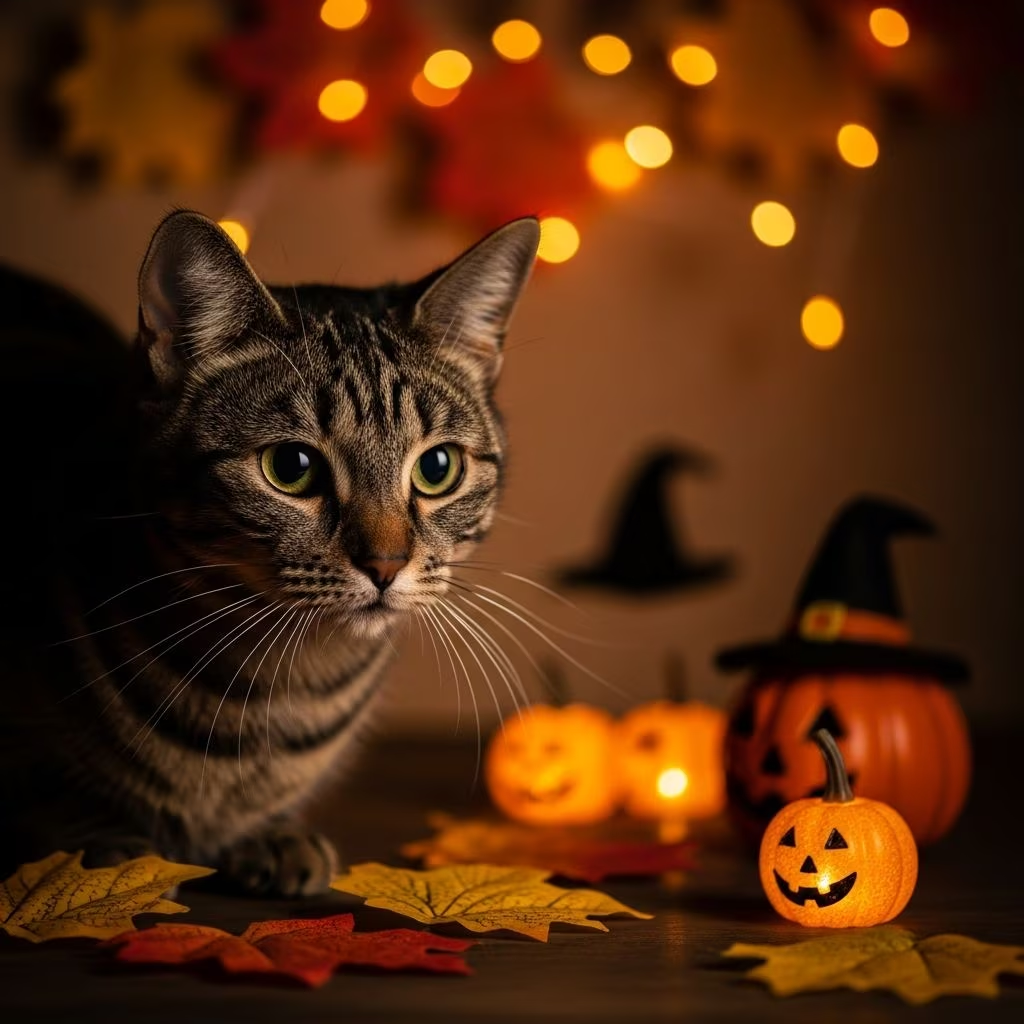
Halloween brings excitement with costumes, candy, and decorations, but it poses unique risks for cats. From toxic treats to frightening sights and sounds, proactive measures ensure your feline stays safe and stress-free during the festivities.
Are Black Cats Really in Danger on Halloween?
The myth that black cats face heightened danger on Halloween stems from ancient superstitions linking them to witchcraft and bad luck, dating back to ancient Egypt, Greece, and medieval Europe. However, modern evidence shows no increased risk of targeted harm; Director of Communications at Shelter Animals Count, Emily Tolliver, confirms this belief is an urban legend with no supporting data.
Black fur is a dominant genetic trait in cats, making them common, but all cats require extra vigilance during Halloween due to general holiday chaos. Keep all cats indoors, especially during trick-or-treating, to avoid pranks like toilet-papering or pumpkin-smashing that could indirectly affect them. Free-roaming cats disrupt local ecosystems as invasive predators, so indoor confinement aligns with year-round veterinary recommendations.
Keep Candy Out of Reach
Halloween candy is highly toxic to cats. Chocolate contains theobromine, which cats cannot metabolize, leading to symptoms like vomiting, diarrhea, rapid breathing, and potentially fatal heart issues. Xylitol in sugar-free candies causes hypoglycemia and liver failure. Even non-toxic candy like candy corn lacks nutritional value and can cause gastrointestinal upset.
Store all sweets in high cabinets or locked containers. Supervise children to prevent accidental sharing. Wrappers pose choking hazards or intestinal blockages if ingested. If ingestion occurs, contact a veterinarian or pet poison hotline immediately, as prompt treatment like induced vomiting or activated charcoal can save lives.
Pet Costumes: Safe or Not?
Dressing cats in costumes can be fun but requires caution. Never force a costume on a reluctant cat; monitor for signs of distress like excessive grooming, hiding, vocalizing, or attempts to remove it. Cats should never wear costumes unsupervised, as they may get tangled or stuck while trying to escape.
Choosing the Right Costume
- Lightweight materials: Avoid heavy fabrics that overheat furry bodies or restrict movement and body language communication.
- Proper fit: Ensure no obstruction of eyes, mouth, ears, nose, or bathroom access. Back-only designs are preferable over full-body or head-covering ones.
- No hazards: Skip small detachable parts, strings, or dangly bits that can be chewed and swallowed, risking foreign body ingestion and emergency surgery.
Supervise closely and limit wear time to short sessions. Remove immediately if the cat shows irritation. Battery-operated accessories are safer than glow sticks, which can be chewed and toxic.
Secure Your Decorations
Halloween decorations attract curious cats, leading to accidents. Jack-o’-lantern candles can be knocked over, starting fires; switch to LED lights. Fake cobwebs, tinsel-like strings, and small props are choking or intestinal obstruction risks if ingested.
Glow sticks contain liquid that causes drooling or vomiting if bitten. Electrical cords from lights pose electrocution or burn hazards. Elevate all decor out of paw reach and secure loose items.
| Hazard | Risk to Cats | Safe Alternative |
|---|---|---|
| Candles | Fire, burns | LED lights |
| Fake cobwebs | Ingestion, choking | None; elevate or avoid |
| Glow sticks | Toxic liquid | Battery LEDs |
| Cords | Electrocution | Cord covers, elevation |
Manage Stress and Noise
Increased doorbell rings, strangers in costumes, and loud laughter overwhelm sensitive cats. Provide a quiet, dark room with familiar bedding, toys, and litter box away from the front door. Use white noise machines, calming music, or pheromone diffusers to mask noises.
Desensitize in advance: expose to costume visuals/sounds gradually with treats. Avoid forcing interactions with guests. Anxious cats may hide, urinate inappropriately, or become aggressive—monitor behavior.
Prevent Escapes: Keep Cats Indoors
Door openings during trick-or-treating create escape opportunities amid chaos. Confine cats to a secure room or use baby gates. Updated ID tags with phone numbers and microchips with current registry info are essential; many lost pets reunite via scans.
Outdoor cats face traffic, pranks, and cold weather (relevant in places like Buffalo). Indoor-only policies year-round protect against predators, vehicles, and diseases. Create indoor fun with catnip pumpkins, bat toys, or treasure hunts.
Hosting a Party? Extra Precautions
Parties amplify risks: more doors opening, spilled drinks (alcohol toxic to cats), and guests unaware of pet boundaries. Designate a ‘no-pet zone’ and inform guests not to feed treats. Clean up promptly to avoid temptation.
Health Checks Before Halloween
Schedule a vet visit pre-holiday for vaccines, parasite checks, and microchip verification. Discuss anxiety aids like CBD treats or prescription meds if your cat is prone to stress. Stock a pet first-aid kit with bandages, styptic powder, and toxin hotline numbers.
Frequently Asked Questions (FAQs)
Can cats eat any Halloween candy?
No. Chocolate, xylitol, and most candies are toxic or indigestible. Stick to cat-safe treats.
How long can my cat wear a costume?
Only short, supervised periods. Remove at first sign of discomfort; never overnight.
Is it safe to let my cat outside on Halloween?
No. Keep indoors to avoid stress, escapes, and hazards.
What if my cat eats something toxic?
Call vet or poison hotline (e.g., ASPCA) immediately. Do not induce vomiting without guidance.
Do black cats need special protection?
The targeted danger myth is debunked; all cats need standard precautions.
Final Thoughts
Halloween can be enjoyable for cats with preparation. Prioritize safety by securing hazards, supervising fun elements, and providing calm spaces. A little planning prevents vet visits and ensures purr-fect holiday memories.
References
- Halloween pet safety: Tips to keep your furry friends safe this trick-or-treat season — Shelter Animals Count via USA Today, Mary Walrath-Holdridge. 2023-10-23. https://www.shelteranimalscount.org/halloween-pet-safety-tips-to-keep-your-furry-friends-safe-this-trick-or-treat-season/
- Spooky Fun, Safe Pets: Halloween Tips for Cats and Dogs — North Buffalo Animal Hospital. Accessed 2026. https://www.northbuffaloah.com/pet-care-blog/halloween/halloween-tips-for-cats-dogs/
- How Long Can Cats Wear Halloween Costumes For? Facts & Safety — Catster. Accessed 2026. https://www.catster.com/lifestyle/how-long-can-cats-wear-halloween-costumes-for/
- Halloween Pet Safety Guide — Omaha Vets Group. 2025. https://omahavetsgroup.com/articles/halloween-pet-safety-guide-2025
- How to Keep Your Cat Indoor During Halloween — Dominion Valley Vets. Accessed 2026. https://www.dominionvalleyvets.com/how-to-keep-your-cat-indoor-during-halloween/



